Bright Smiles: Essential Tips for Keeping Your Dog's Teeth Healthy
Dental disease is the most common health problem in adult dogs . It all starts with plaque ...

Anyone who shares their home with a dog knows they have a way of making ordinary days better. From the excited greeting at the door to the quiet moments curled up on the sofa, dogs become part of the rhythm of our lives. And if you’re anything like me, you probably spend a fair bit of time gazing at your furry friend and thinking about how to keep them happy and healthy for as long as possible.
That’s certainly the case with my Cockapoo, Rubi. She’s got this habit of flashing what I like to call her “cheesy grin” after a good run in the park, and it got me thinking about her dental health. I’ll be honest, it’s not something I paid much attention to at first. But I’ve learned a lot along the way, and I want to share what I’ve discovered with you.
Why Doggy Dental Care Matters More Than You Might Think
Dental disease is the most common health problem in adult dogs . It sounds dramatic, but it’s true. It all starts with plaque, a sticky film that forms on their teeth after eating. If it’s not removed, it hardens into tartar, that brownish stuff you might see near their gumline .
This isn’t just about bad breath, although that’s certainly a sign. The bacteria in plaque and tartar can cause gum inflammation, known as gingivitis, and over time, it can damage the tissues and bone that hold the teeth in place . This can be painful for our dogs, even if they don’t show it. And because dogs are so stoic, they often hide their discomfort well .
What’s more, these oral infections can lead to more serious health issues. Bacteria from the mouth can enter the bloodstream and potentially affect organs like the heart, liver, and kidneys . So, a little effort at home can really make a big difference to their overall wellbeing.
Starting a Brushing Routine: Taking it Slow
The best thing you can do for your dog’s teeth is to brush them. Daily brushing is ideal for removing plaque before it hardens into tartar . I know it sounds like a challenge, especially if your dog isn’t keen on having their mouth touched. But with patience and a gentle approach, it can become a part of your daily routine.
The key is to take it slowly. You can’t just grab a toothbrush and expect them to love it. Here’s how I got Rubi used to it, and it’s the approach most vets recommend:
- Start with your finger. Get your dog used to you touching their muzzle and lifting their lips. Let them sniff your hand and give them lots of praise.
- Introduce the taste. Use a dog-specific toothpaste. They come in tasty flavours like poultry or malt, which dogs love . Let your dog lick a little bit of it off your finger so they associate it with something positive.
- Use a soft cloth or finger brush. Once they’re comfortable with the taste, wrap a piece of soft gauze or a cloth around your finger and gently rub it along their teeth and gumline.
- Move on to a toothbrush. Use a dog toothbrush with soft bristles or a child-sized brush for smaller dogs . Rubi is a medium-sized Cockapoo, so a child’s brush works perfectly for her. Gently brush in a circular motion, focusing on the outside surfaces of the teeth.
Remember to never use human toothpaste, as it can contain ingredients that are toxic to dogs . Keep sessions short and always end on a positive note with lots of praise and a reward.
Chews and Other Helpful Products
While brushing is the gold standard, I’m a realist. Life gets busy, and sometimes Rubi isn’t in the mood for a toothbrushing session. That’s where dental chews and other products can be a really helpful addition.
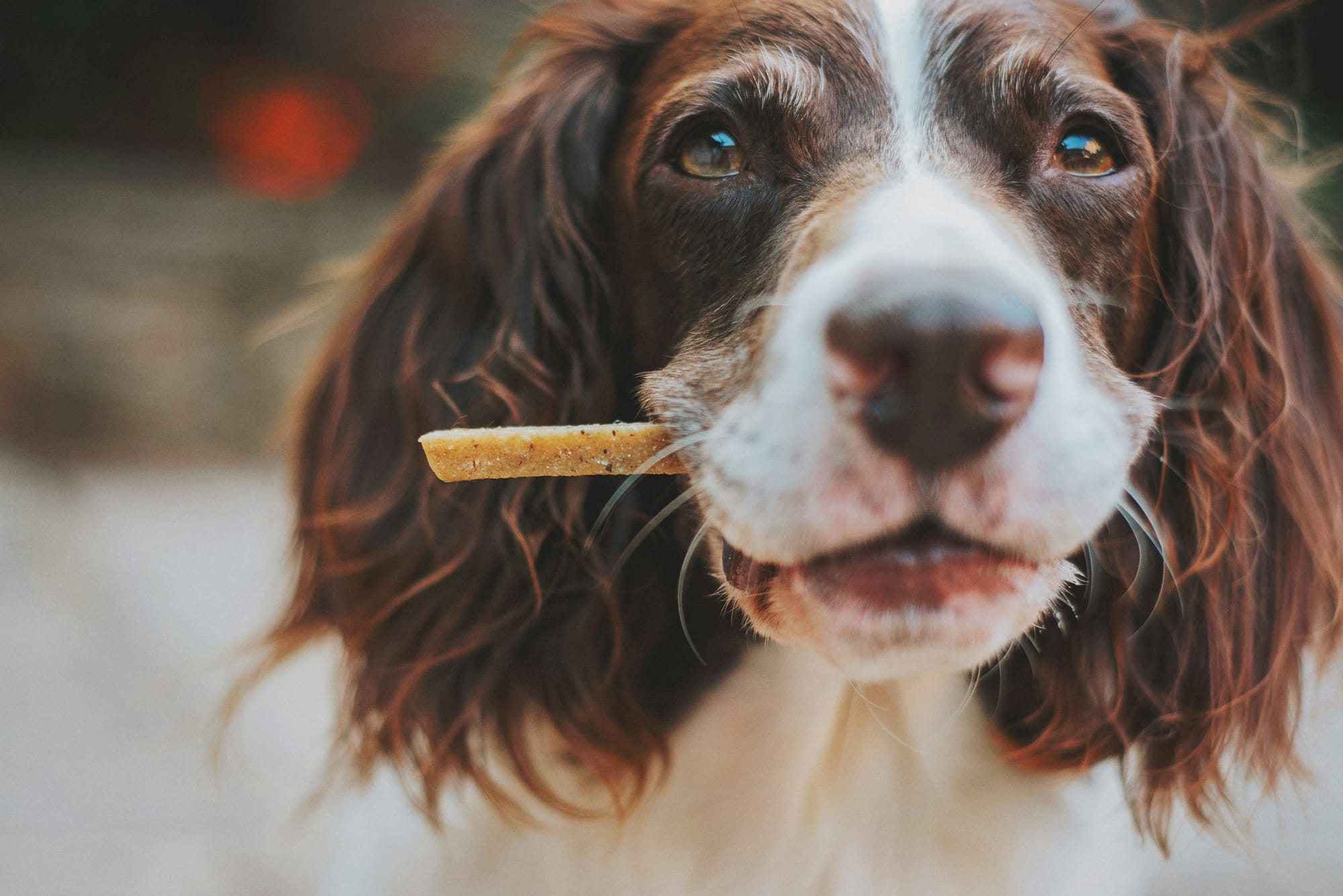
Chewing helps to reduce plaque and tartar build up mechanically . Look for products that have the Veterinary Oral Health Council (VOHC) seal of approval, as these have been shown to work .
Be cautious with chews that are too hard, like antlers or animal bones. They can actually cause broken teeth . I always opt for softer dental chews that are designed to be safe and effective. There are also water additives and dental sprays that can help, but they aren't as effective as brushing .
Spotting the Signs
It’s a good idea to regularly check your dog’s mouth for any of these warning signs :
- Bad breath – this isn’t normal and is a sign of gum disease.
- Red or swollen gums – healthy gums should be pink.
- Brownish tartar on the teeth, especially near the gumline.
- Reluctance to eat or dropping food.
- Pawing at the mouth or a change in behaviour, like being less keen to play.
If you notice any of these, it’s best to book a check-up with your vet.
Professional Dental Cleanings
Just like us, dogs still need a professional clean now and then. Even with great home care, some tartar can build up below the gumline where our toothbrushes can’t reach . A veterinary dental cleaning is a more thorough procedure that’s done under general anaesthetic. This allows the vet to do a full exam, take dental X-rays to see what’s happening below the gums, and clean above and below the gumline safely .
The frequency of these cleanings depends on your dog’s breed, age, and overall health. Smaller breeds and flat-faced dogs are more prone to dental problems and often need more frequent cleanings . I always have Rubi’s teeth checked during her annual health check, and the vet will advise if a professional clean is needed.
A Little Effort Goes a Long Way
Looking after your dog’s teeth doesn’t have to be a chore. Think of it as another way to bond with them. Rubi now thinks of toothbrushing time as a special moment, especially since she knows a tasty treat is coming at the end.
A healthy mouth means fresher breath, less pain, and a dog that feels better all over. It’s one of those small things that can have a big impact on their quality of life. And let’s face it, our dogs give us so much joy, the least we can do is give them a bright, healthy smile in return.