Can a dog get mad at its owner? The truth about Canine Emotions
Here's where it gets interesting. In the moment, yes, a dog can be upset. But the science shows that dogs don't hold onto negative emotions the way humans do ...
Anyone who shares their home with a dog knows they have a way of making ordinary days better. From the excited greeting at the door to the quiet moments curled up on the sofa, dogs become part of the rhythm of our lives. But what happens when that special bond feels a bit strained?
I remember coming home from work one evening to find Rubi giving me the cold shoulder. She wouldn't look at me. She wouldn't wag her tail. She simply turned her back and sighed dramatically. It was a proper sulk, and it made me wonder something I'd never really thought about before.
Can dogs actually get mad at us?
What We Mean When We Say "Mad"
Let's start by being honest about something. When we ask if our dogs can get mad, we're usually thinking about human style anger. The kind where someone holds a grudge, plots revenge, or stays upset for days.
That's not really how dogs work.
Dogs don't hold grudges like people do. Their brains aren't wired for complex resentment. But they absolutely experience emotions that look a lot like being upset or annoyed with us. I've seen Rubi give me a look that could curdle milk after I've been out too long.
So yes, dogs can feel frustration, disappointment, and even what we might call irritation. But it's important to understand what's really going on.
The Science Behind Dog Emotions
Dogs have the emotional capacity of a toddler. That's roughly the level of emotional development we're dealing with. They feel joy, fear, excitement, anxiety, and yes, frustration. But they don't experience the complex mix of emotions that adults do.
When Rubi gives me that sulky look, she's not thinking "Anna is a terrible person and I'm going to make her feel guilty." She's simply responding to a situation that feels disappointing or confusing to her.
Dogs are masters of reading our moods and body language. They pick up on our energy, our tone of voice, and our patterns. If we disrupt their routine or behave in ways they don't understand, they can become unsettled. That unsettled feeling often comes across as what we interpret as anger.
Common Reasons Your Dog Might Seem Mad
Through my years with Rubi and conversations with other dog owners, I've noticed certain patterns that trigger what looks like doggy anger.
The first is routine disruption. Dogs thrive on predictability. When I suddenly have to work late and Rubi's dinner is delayed, she definitely lets me know about it. The pacing, the sighing, the direct eye contact that says "excuse me, you're late."
Then there's the perceived rejection. Dogs don't understand why we can't always play or cuddle when they want to. If I'm busy writing and ignore Rubi's nudges for attention, she'll often go to her bed and face the wall. It's heartbreaking and hilarious at the same time.
And of course, there's disappointment over resources. Rubi doesn't appreciate when I finish her favourite chew without sharing. The look of betrayal is absolutely theatrical.
Jealousy plays a part too. Dogs can become noticeably put out when we pay attention to other pets or even other people. Rubi has been known to position herself between me and my partner when she thinks the cuddles are getting too generous on his side.
What Doggy Displeasure Actually Looks Like
The signs are often subtle if you're not paying attention. Some dogs become overly excited and jumpy. Others go quiet and withdrawn. Rubi's classic move is the dramatic sigh accompanied by turning her back to me.
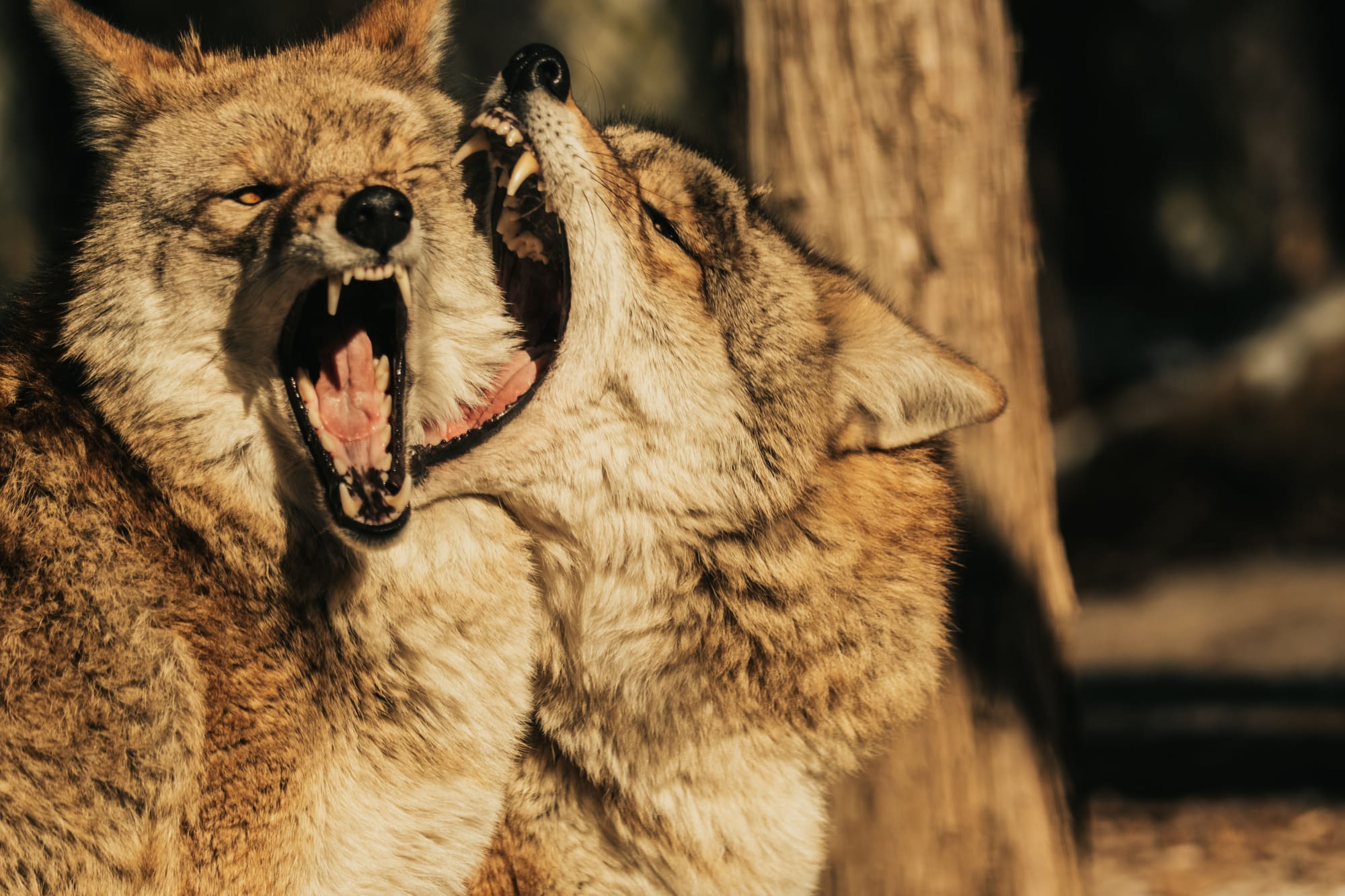
You might see lip licking, yawning, or avoiding eye contact. These are actually stress signals in dogs, not necessarily anger. Some dogs will push their owner away or even give a little growl. That growl isn't aggression, it's communication. It's your dog saying "I'm not happy about this situation."
Dogs can also become destructive. Chewing something they know they shouldn't, or having an accident in the house. This is rarely spite, it's more often anxiety or stress showing up in inconvenient ways.
Do Dogs Actually Hold Grudges?
Here's where it gets interesting. In the moment, yes, a dog can be upset. But the science shows that dogs don't hold onto negative emotions the way humans do. They live in the present.
Rubi might ignore me when I first get home because I was late. But within minutes, she'll be wagging her tail and ready for a fuss. She's not thinking about what I did wrong. She's responding to what's happening right now.
If your dog acts cold towards you for extended periods, you're likely missing something else. Maybe they're unwell. Maybe they're feeling anxious about changes at home. Maybe they're just tired and need space.
How to Handle a Dog That Seems Upset
The first thing I always do is check my own energy. Rubi picks up on everything. If I'm stressed or frustrated, she'll mirror that back to me. Taking a breath and approaching the situation with calm, steady energy makes a huge difference.
Try to figure out what might be bothering your dog. Did something change in the environment? Have you been more distracted than usual? Are they getting enough exercise and mental stimulation?
Don't punish the behaviour you're seeing. If your dog seems upset, punishing them will only make things worse. They won't understand why you're being cross with them, and it damages trust.
Instead, give them space if they want it. Sometimes dogs just need a quiet moment away from everything. Offer reassurance through gentle voice and calm presence. Let them come to you when they're ready.
And always rule out physical causes. If your dog is acting out of character, a trip to the vet is never a bad idea. Pain or illness can make even the sweetest dog seem grumpy.
Building a Stronger Bond
The good news is that these moments of apparent anger can actually strengthen your relationship if you handle them well. Each time you respond with patience and understanding, your dog learns to trust you more.
Make sure you're meeting your dog's needs. Physical exercise, mental stimulation, and consistent routines all help prevent the kind of frustration that looks like anger.
Spend quality time together without distractions. Rubi and I have our morning cuddle routine, and I've noticed she's much more settled throughout the day when we get that time.
Remember that your dog is a living creature with emotions, not a perfect robot. They'll have off days, just like we do. They'll get grumpy or frustrated or just feel a bit off.
When It's Not Anger at All
Sometimes what we interpret as anger is actually something else entirely. Fear is a big one. A dog that seems angry at a stranger might actually be terrified. Pain is another common culprit.
Look at the whole picture. What's happening in your dog's environment? What's their history? Are there patterns to when they seem upset?
Rubi gets what I call the "grumpy old lady" act when she's overtired. She'd never hurt anyone, but she'll give a little grumble if disturbed. That's not anger, that's a tired dog asking for peace.
The Bottom Line
So can dogs get mad at their owners? Yes and no. They can certainly feel frustrated, disappointed, and upset. They can show those feelings through behaviours we recognise as displeasure. But they don't hold grudges or stay angry the way people do.
Your dog loves you. That's the simple truth at the heart of everything. Their moments of frustration are temporary, and their forgiveness is almost instant.
When Rubi sighs at me for being late, I apologise, give her a cuddle, and within minutes everything is back to normal. She doesn't remember being upset, and I try not to take it personally.
The key is paying attention to what your dog is communicating, responding with kindness, and never taking their behaviour as a personal attack. Dogs are amazing at reading our emotions, so the more we can stay calm and loving, the better they'll feel.
Next time your dog gives you that look, try to see it for what it is. A moment of frustration from a creature who can't use words to tell you what's wrong. Give them a little understanding, a little patience, and a lot of love.