Can dogs Sense Our Bad Intensions? What Rubi Taught Me About Trust
Research has shown that dogs can recognise human emotions by combining what they see with what they hear. They can also pick up on stress ...

Have you ever wondered whether your dog can tell when someone doesn't have your best interests at heart? I know I have. Rubi has a funny way of reacting to certain people before I've even said a word, and it's made me curious about what's really going on in that clever little head of hers.
That Gut Feeling Dogs Seem to Have
There's a reason so many of us swap stories about our dogs acting strangely around certain visitors. Rubi is normally everyone's best friend. She'll wiggle her whole body at the postman and lean into anyone who pops round for a coffee. But every so often, she meets someone and goes quiet. No wagging, no bouncing. Just a steady, watchful stare from behind my legs.
Is she picking up on something I've missed? Or am I reading too much into it? I've spent plenty of evenings down the rabbit hole on this one, so let's look at what we actually know.
What Science Says About Dogs Reading Us
Dogs are brilliant at reading human body language. They've lived alongside us for thousands of years, and they've learned to notice the little things. A change in our posture. A shift in our tone of voice. Tension in our shoulders that we didn't even realise was there.
Research has shown that dogs can recognise human emotions by combining what they see with what they hear. They can also pick up on stress through our scent, since our bodies release different chemicals when we're anxious or frightened. So when someone approaches with tense shoulders, a stiff walk, or a sharp edge to their voice, your dog may well notice before you do.
What they're sensing isn't some magical ability to read minds. It's more about picking up on cues that tell them something feels off.
Bad Intentions or Just Bad Vibes?
Here's where I think we need to be careful. It's tempting to believe our dogs can spot a genuinely dangerous person a mile away, but the truth is probably more everyday than that. Rubi isn't sniffing out criminal intent. She's reacting to how someone behaves.
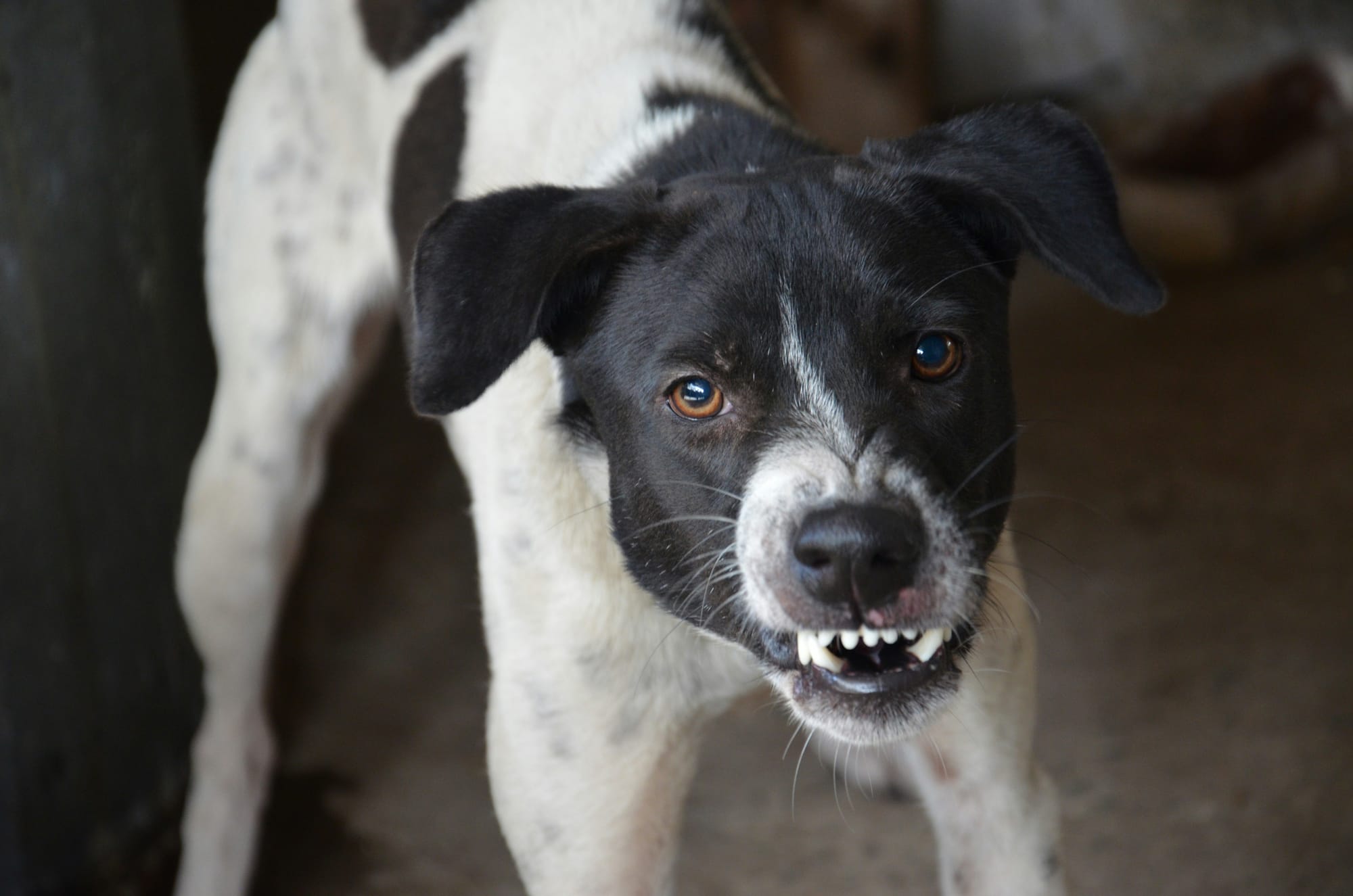
Think about it. A nervous visitor who avoids eye contact and moves stiffly might make your dog wary. A loud, unpredictable person could set off alarm bells. Someone who stares too long or leans over your dog uninvited can feel threatening to them. None of that means the person has bad intentions. It just means your dog has picked up on something that doesn't feel safe in that moment.
When Rubi's Instincts Surprised Me
Last year a friend brought someone new round to the house. Rubi did her usual hello, then backed off and sat by my feet, watching him the whole visit. She didn't growl or bark. She just stayed close.
Turns out he was going through a tough time and was quite on edge that day. He wasn't a threat to anyone. But his body language was tense, his voice was flat, and he barely moved from the chair. Rubi read all of that and decided to keep her distance. Once he relaxed and started chatting properly, she wandered over and settled beside him.
It taught me that her "sense" is really about reading the room. She was responding to the atmosphere, not judging his character.
Should We Trust Our Dogs' Reactions?
Yes and no. If your dog is suddenly frightened of someone, it's worth paying attention to how that person behaves around them. Watch what's happening. Is your dog being crowded? Is someone trying to touch them when they clearly don't want it? Sometimes dogs are simply protecting their own space.
But please don't label someone a bad person because your dog was unsure of them once. Dogs have off days, and so do people. A dog who's feeling unwell, tired, or out of routine might be more cautious than usual.
That said, I never ignore Rubi when she's genuinely uncomfortable. If she doesn't want to be near someone, I don't force it. I'd rather trust her instincts and give her space than push her into a situation that makes her unhappy.
A Few Things I've Learned
- Watch your dog's body language closely. A stiff body, tucked tail, or lip licking can all signal discomfort.
- Don't force interactions. If your dog backs away from someone, let them come around in their own time.
- Pay attention to context. Your dog may be reacting to the person's behaviour, not their character.
- Give your dog a safe space to retreat to when visitors call.
- Trust your own judgment too. You know your dog best, and your instincts matter just as much as theirs.
A Final Thought
I don't think Rubi can sense someone's deepest intentions. What she can do is read people with a sharpness that often surprises me. She notices the things I'm too busy to see, and she tells me in her own quiet way.
So the next time your dog is unsure about someone, take a moment to watch and listen. They might not be spotting a villain at the door, but they're probably noticing something worth your attention. And honestly, that's a pretty wonderful thing to have on your side.