Can Your Dog Handle Boredom? The Brain Benefits of Quiet Time
If your dog is destructive, barking non-stop or clearly unhappy, that's not healthy quiet time. That's a sign ...

Anyone who shares their home with a dog knows they have a way of making ordinary days better. From the excited greeting at the door to the quiet moments curled up on the sofa, dogs become part of the rhythm of our lives.
But here's something I've been thinking about lately with Rubi. We spend so much time making sure our dogs are entertained, walked, trained and stimulated. And that's lovely. But what happens when things go quiet? Is boredom actually a bad thing, or could a bit of downtime be doing our dogs some good?
Rubi's "Boring" Afternoon
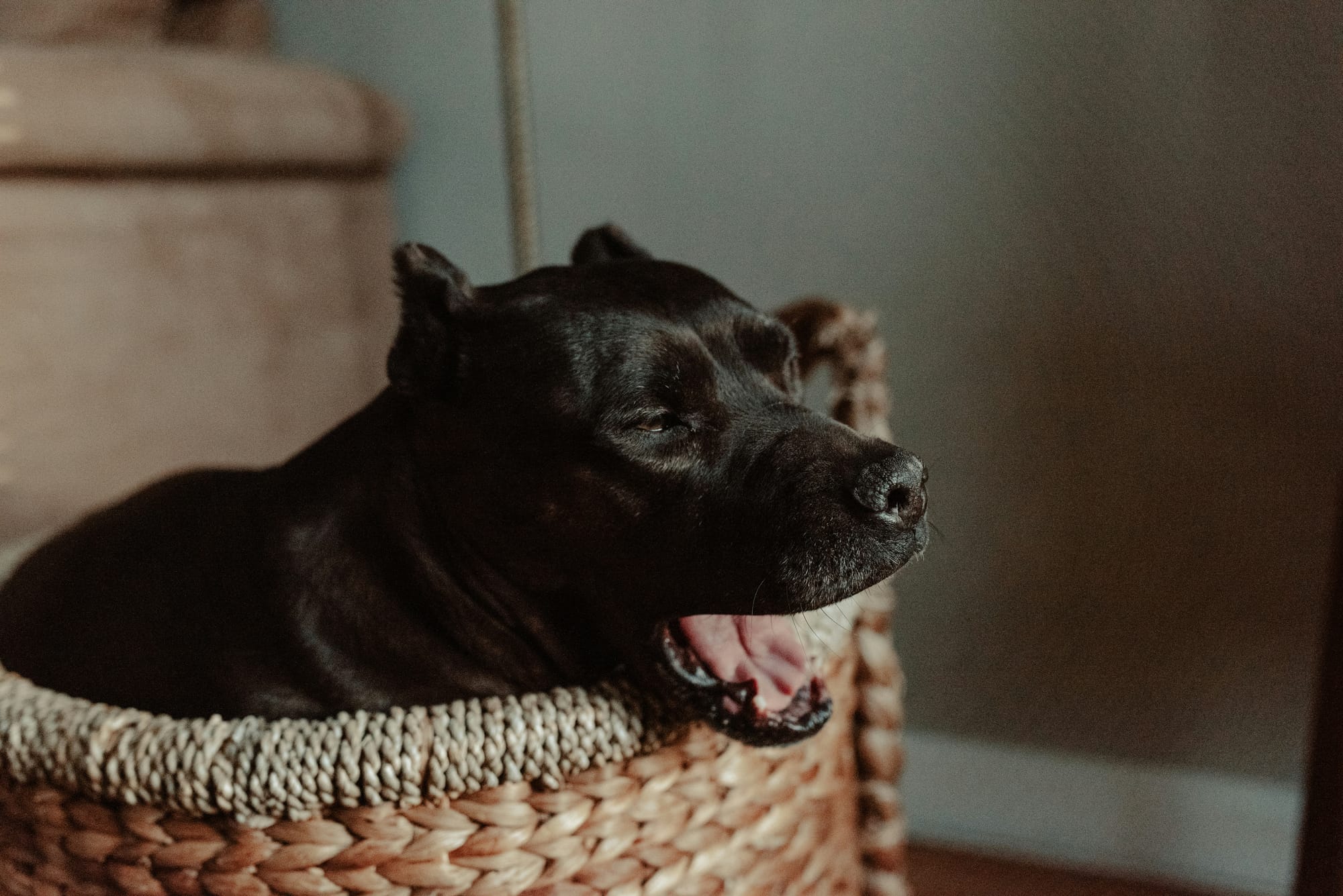
Last week I watched Rubi do absolutely nothing for about twenty minutes. She wasn't sleeping. She wasn't chewing anything. She was just lying by the window, watching the world go by. My first instinct was to grab a toy and liven things up. Then I stopped myself and just let her be.
It got me wondering. Are we so focused on keeping our dogs busy that we've forgotten they might actually need a bit of quiet?
What Boredom Really Means for Dogs
Boredom gets a bad reputation. We picture chewed furniture, frantic barking or a dog bouncing off the walls. And yes, genuine boredom with no outlet can lead to problem behaviours. That's real.
But there's a difference between a dog who's bored because they're lonely and under-stimulated, and a dog who's simply having a calm moment. The second one isn't a problem at all. In fact, it might be quite healthy.
The Brain Benefits of Doing Nothing
Here's what I've learned from reading and from watching Rubi. Quiet time gives a dog's brain a chance to rest and process. Think about how you feel after a busy day. Sometimes the best thing is to sit quietly with a cup of tea and let your thoughts settle. Dogs aren't so different.
Rest helps learning stick
When dogs are constantly on the go, they don't get much chance to absorb what they've learned. A bit of calm gives their brain space to file away new experiences and training.
Calm builds confidence
A dog who can settle on their own, without needing constant entertainment, is often more relaxed in new situations. Rubi is much better at coping when we visit a café if she's had a quiet morning beforehand.
Settling is a skill
Just like recall or loose lead walking, settling is something dogs can learn. It doesn't always come naturally, especially in busy households. But it's worth practising.
How Much Quiet Time Is Right?
This really depends on your dog. A young puppy or a high-energy breed will need more activity and less downtime. An older dog might happily snooze for hours. Watch your dog and follow their lead.
A few short periods of calm each day is a good starting point. It doesn't need to be complicated. A comfortable bed, a bit of peace and no pressure to perform.
Simple Ways to Encourage Calm
I'm no trainer, just a dog owner who's picked up a few things along the way. Here's what's worked for us.
- Give your dog a comfy spot where they won't be disturbed.
- Try a chew or a snuffle mat for slow, calming activity.
- Resist the urge to fill every quiet moment with a toy or game.
- Notice when your dog chooses to rest and let them get on with it.
When Boredom Is a Real Problem
I don't want to paint too rosy a picture. If your dog is destructive, barking non-stop or clearly unhappy, that's not healthy quiet time. That's a sign they need more exercise, more mental stimulation or a chat with your vet or a qualified trainer.
The goal isn't to leave your dog bored and lonely. It's to help them feel comfortable in their own company and to understand that not every moment needs to be action-packed.
A Gentle Reminder
Rubi has taught me that a quiet dog isn't always a bored dog. Sometimes she's just content. Sometimes she's thinking. Sometimes she's simply enjoying the sun on her fur.
So next time you see your dog doing nothing, resist the urge to intervene. Let them have their quiet moment. Their brain might just thank you for it.