Canine Dementia: What Every Dog Owner Should Know
Canine cognitive dysfunction, often simply called canine dementia, is a condition that affects ...
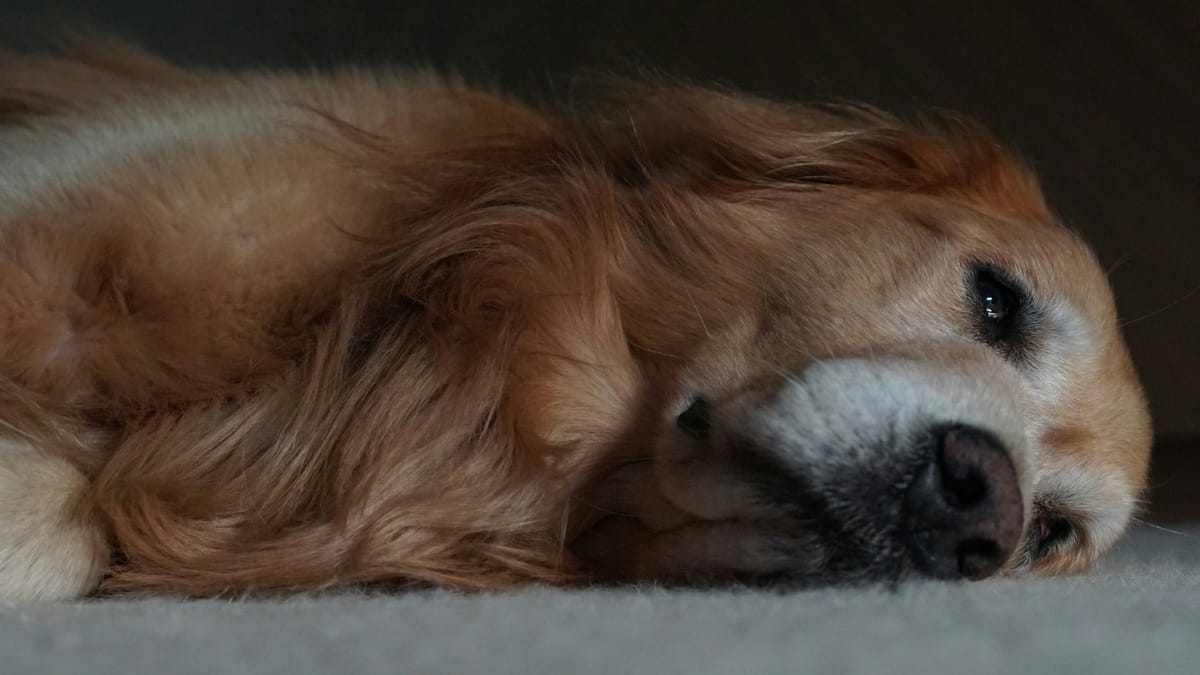
There's something about watching our dogs grow older that pulls at the heartstrings. Rubi is only four, but I often find myself looking at her and wondering what the years ahead will bring. A grey muzzle here, a slower stroll there. Ageing is a privilege, of course. But it does come with its worries, and one of the ones I get asked about most is canine dementia.
What Actually Is Canine Dementia?
Canine cognitive dysfunction, often simply called canine dementia, is a condition that affects a dog's brain as they get older. It's similar in many ways to dementia in humans. Our dogs can become confused, forgetful, and unsettled in ways that don't quite match the dog we've known for years.
It tends to show up in senior dogs, usually from around eight or nine years old, though some breeds and sizes differ. Smaller dogs often live longer, so they may develop it later. It's not just "getting old" though, and that's the bit I really want to get across. There's a difference between a dog slowing down and a dog who is genuinely struggling with their thinking and memory.
The Signs to Look Out For
I remember chatting to a friend whose lovely old Labrador started pacing at night and standing in corners looking confused. She thought he was just being odd. It turned out to be classic signs of cognitive dysfunction.
The signs can be subtle at first. Here are the ones worth keeping an eye on:
- Getting stuck in corners or behind furniture
- Pacing, especially at night
- Staring at walls or into space
- Forgetting house training
- Not recognising familiar people or other pets
- Changes in sleep patterns, often awake at night and sleepy during the day
- Less interest in walks, toys, or greeting you at the door
- Becoming anxious or clingy, or the opposite and wanting more space
Some of these can be caused by other things too, like pain, vision loss, or thyroid issues. That's why a trip to the vet matters. You can't diagnose this one at home.
Getting a Diagnosis
If you're noticing changes, book a vet appointment and be honest about what you're seeing. Keep a little diary for a week or two if it helps. Note when your dog seems confused, how they're sleeping, and anything else that feels off. Vets can't cure dementia, but they can rule out other conditions and help you manage it.
I know that conversation can feel daunting. But knowing what you're dealing with is far better than worrying in silence.
How You Can Help Your Dog
There's no magic fix, but there's plenty you can do to support a dog with dementia. Keeping their world calm and predictable helps a lot. Stick to routines, keep furniture where it usually is, and avoid moving their bed around.
Mental stimulation is thought to help too. Simple puzzle toys, short sniffy walks, and gentle training games can keep their brain ticking over. I've read that keeping senior dogs active and engaged may even slow things down, though every dog is different.
Supplements and prescription diets are available, so ask your vet what might suit your dog. And be patient. Some days will be better than others.
Looking After Yourself Too
This is the bit people don't always say out loud. Caring for an older dog with dementia can be draining. The night pacing, the accidents, the moments when they look at you like they're not quite sure who you are. It's okay to find it hard. It doesn't make you a bad owner. It makes you human.
Lean on your vet, your friends, and anyone who gets it. You're doing a good job, even on the tough days.
A Final Thought
Our dogs give us so much. When they get older and need a bit more from us, we repay that love the best we can. If you're worried about your dog, please speak to your vet. Trust your instincts. You know your dog better than anyone.