Could a Family Pet Support Your Child's Emotional Health?
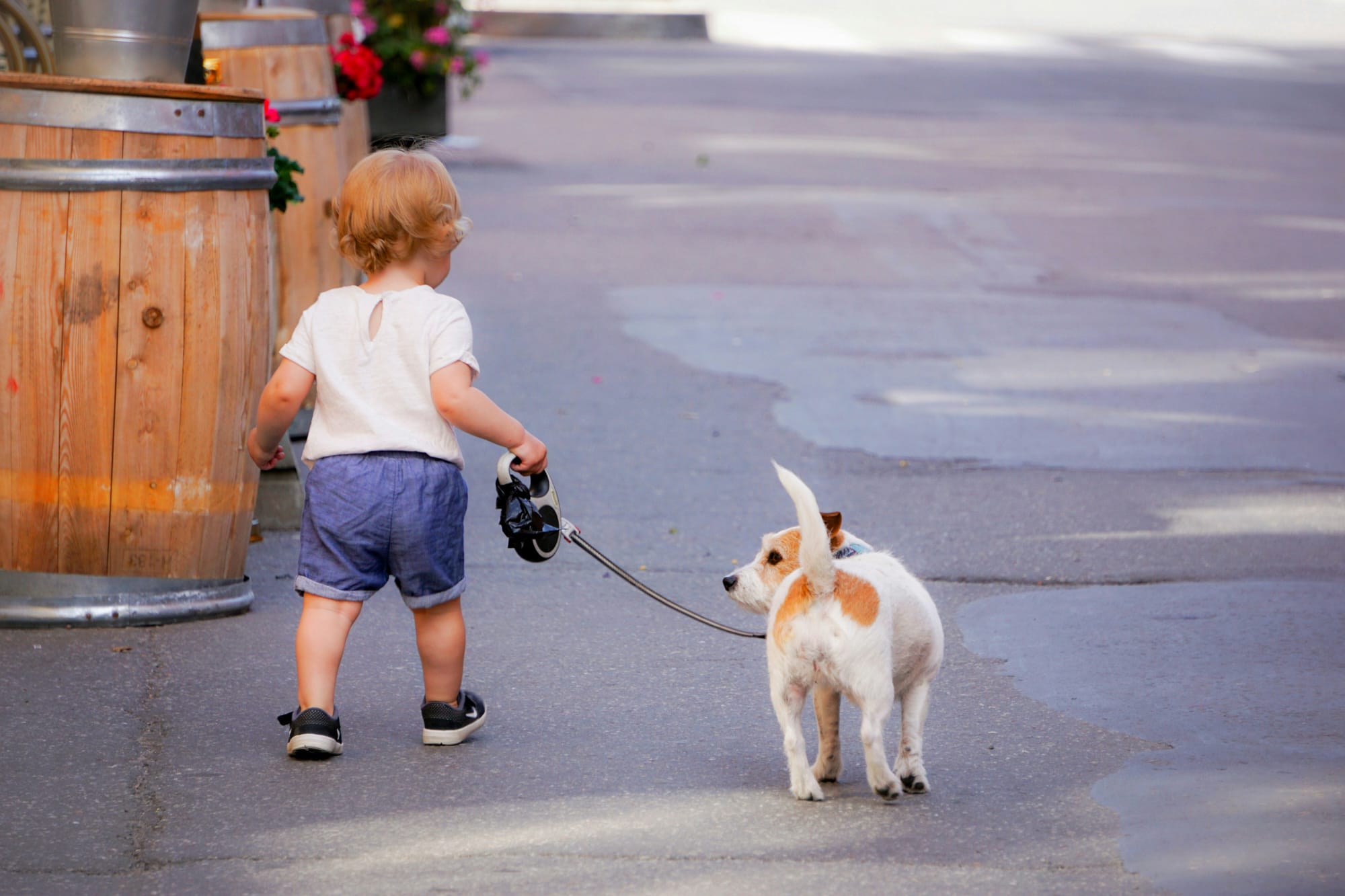
When a child helps feed, walk, or groom a dog, they're learning to notice another creature's needs ...

Anyone who shares their home with a dog knows they have a way of making ordinary days better. From the excited greeting at the door to the quiet moments curled up on the sofa, dogs become part of the rhythm of our lives. But as a parent and a dog owner, I've often wondered about something deeper. Could having a family pet actually help our children's emotional wellbeing?
It's a question I've asked myself while watching my daughter snuggle with Rubi after a tough day at school. The way she buries her face in Rubi's fluffy coat and seems to let all her worries melt away tells me something special is happening. Let's explore what the research and real life experiences tell us about pets and children's emotional health.
The Comfort of a Furry Listener
Children often find it easier to talk to a pet than to adults. There's no judgment, no interruption, and no unsolicited advice. Just a pair of floppy ears and a wagging tail that seems to understand everything.
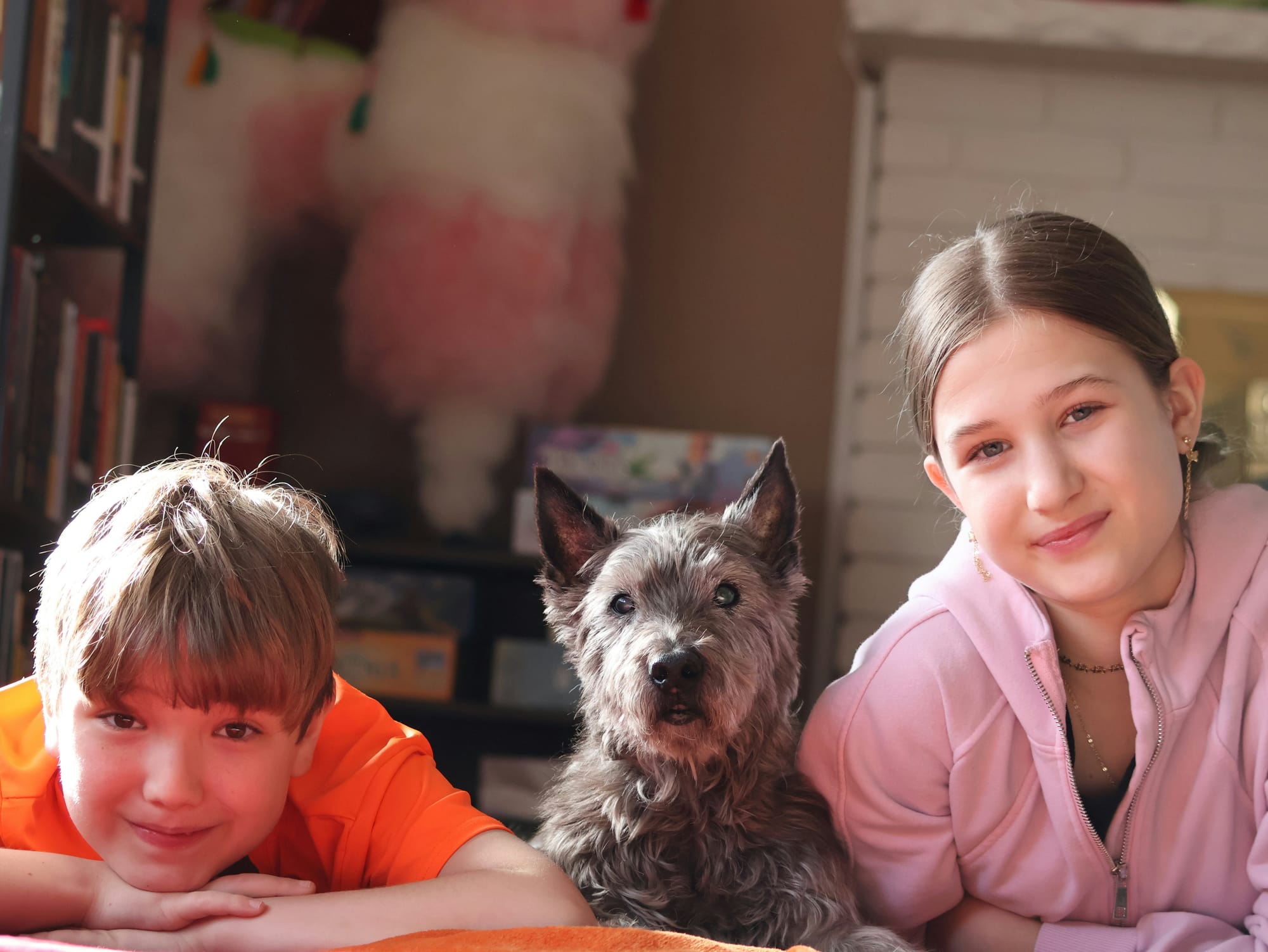
When Rubi rests her head on my daughter's lap, I see a quiet connection that words can't quite capture. Kids who struggle to express their feelings to parents or teachers will often pour their hearts out to their dog. The dog doesn't correct them or tell them they're being silly. That safe space is precious.
I've noticed that after these moments, my daughter seems lighter, calmer, more ready to face whatever was bothering her. It's like the act of speaking those feelings aloud, even to a dog, helps release their hold.
Building Empathy Through Daily Care
Caring for a pet teaches children something that no textbook can. When a child helps feed, walk, or groom a dog, they're learning to notice another creature's needs. Rubi has this way of looking at you when she wants her dinner, and my daughter has become brilliant at reading those signals.
This awareness extends beyond the pet. Children who grow up with animals often show greater empathy toward other people too. They learn that others have feelings, needs, and emotions that deserve attention and kindness. It's a gentle lesson in thinking beyond yourself.
My daughter now asks Rubi how her day was. It's adorable and also quite telling. She's developing that instinct to check in on someone else's wellbeing, even if that someone has four legs and a wet nose.
Managing Big Feelings Together
All children experience big emotions. Anger, frustration, sadness, anxiety. These feelings can be overwhelming for small people who haven't yet learned how to process them. Pets offer a way through.
When my daughter feels upset, she knows she can go find Rubi. Stroking a dog has a naturally calming effect. The repetitive motion, the soft fur, the steady heartbeat you can feel when you cuddle close. These things help regulate the nervous system.
Rubi doesn't get cross or tell my daughter to calm down. She just sits with her through the storm. And eventually, the storm passes. Having that steady, non-judgmental presence makes it easier for children to move through difficult emotions rather than getting stuck in them.
A Source of Unconditional Acceptance
Children face a lot of pressure. School, friendships, extracurriculars, the constant comparison of modern life. A dog doesn't care about any of that. A dog loves a child completely, regardless of their grades or how well they performed in the school play.
This unconditional acceptance is powerful. Every child needs to feel loved for exactly who they are, and a family pet offers that in abundance. When the rest of the world feels critical or demanding, the dog is a reliable source of warmth and affection.
I've seen Rubi greet my daughter with the same boundless enthusiasm whether she came home with a gold star or a note from the teacher. There's no disappointment or expectation. Just pure, simple joy at seeing her favourite person walk through the door.
Encouraging Physical Activity and Routine
Something we don't always talk about when discussing emotional health is how much physical wellbeing and routine matter. Dogs get children outside, moving their bodies, soaking up fresh air and daylight. These things directly affect mood and mental health.
The daily structure of caring for a pet also provides a sense of responsibility and purpose. Children feel needed and important when they contribute to the dog's care. That regular routine creates stability, and stability supports emotional wellbeing.
When my daughter knows Rubi needs her daily walk, it gives her a reason to step away from screens and stress. That walk becomes a reset button for both of them. Fresh air and a wagging tail can do wonders for anyone's outlook.
Teaching Resilience and Loss
This part is harder to talk about, but it matters. Pets don't live as long as we do. Eventually, most children will experience the loss of a family pet. This is deeply sad, but it's also an important experience.
Learning to grieve, to say goodbye, to honour the memory of someone you loved. These are things children need to understand eventually. A pet loss might be the first time a child experiences death, and while it's painful, it teaches them about love and loss in a manageable way.
The sadness is real, but so is the deep gratitude for the time you had together. That's a lesson that stays with children their whole lives.
Things to Consider Before Getting a Pet
This all sounds lovely, and it is. But I should be honest about the realities too. Getting a dog is a big commitment, and the emotional benefits don't come automatically.
The dog's temperament matters. Some breeds are naturally more patient and gentle with children. Age and energy levels also come into play. A very young puppy might be overwhelming for a young child, while an older, calmer rescue dog might be a better fit.
Your child's age and maturity matters too. Young children shouldn't be left unsupervised with dogs, no matter how trustworthy the dog seems. And the care of the pet ultimately falls to the adults.
Think carefully about the dog's needs as well as your child's. A stressed or unhappy dog won't provide emotional support to anyone. The relationship needs to work both ways.
Final Thoughts
I can't promise that adding a dog to your family will magically solve every emotional challenge your child faces. But I can say that the connection between children and pets is something genuinely special.
Rubi came into our lives as a fluffy bundle of mischief, and she's become so much more than a dog. She's a confidant, a comfort, a daily reminder that we're loved exactly as we are. Watching my daughter grow up with her has been one of the great privileges of my life.
If you're considering bringing a pet into your family, I'd encourage you to think carefully about what you can offer a dog, not just what the dog can offer you. When the relationship is right for everyone, the emotional benefits for your child will follow naturally.
And if you already have a dog, go give them a cuddle. I know Rubi is waiting for hers.