Eco-Friendly Dog Toys: Good for Your Pup, Kind to the Planet
Eco-friendly toys aren't just better for the planet. They're often safer for your dog too. Natural materials ...
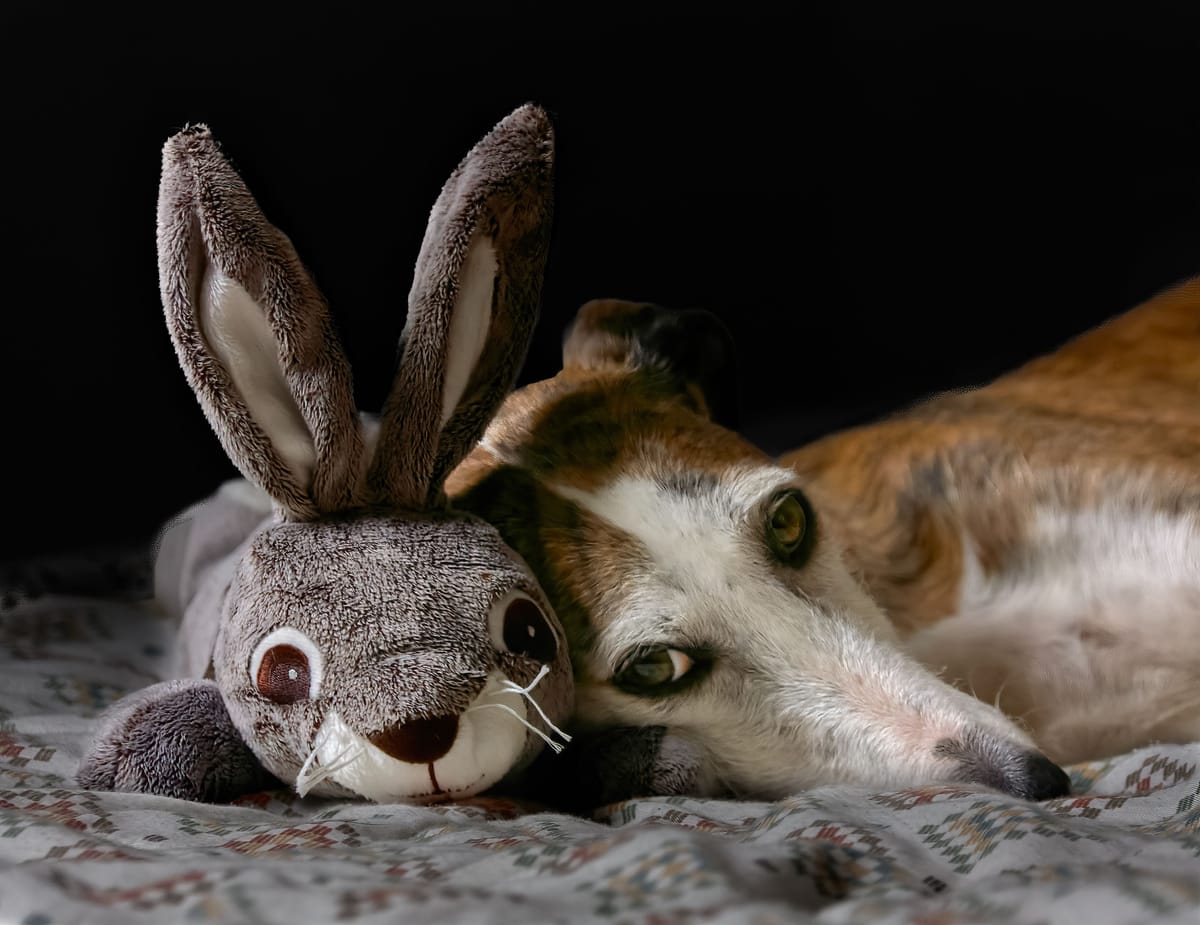
Anyone who shares their home with a dog knows they have a way of making ordinary days better. From the excited greeting at the door to the quiet moments curled up on the sofa, dogs become part of the rhythm of our lives. Rubi, my Cockapoo, has her own little routines too. She has a basket of toys by the fireplace and she knows exactly which one she wants depending on her mood. There's the squeaky carrot for when she's feeling playful, the rope tug for when she wants me to join in, and the soft duck for quieter moments.
But lately I've been looking at that basket and thinking about where all those toys come from and where they end up. Rubi goes through toys faster than I go through coffee, and I started to wonder if there was a better way. Turns out there is. Eco-friendly dog toys are becoming easier to find, and they're kinder to the planet without being boring for our dogs.
What Makes a Dog Toy Eco-Friendly?
It's not just about slapping a green leaf on the label. A genuinely eco-friendly toy tends to tick a few boxes. It might be made from natural materials like rubber, hemp, cotton, or wool. Or it could be made from recycled materials, such as plastic bottles that have been given a second life as a sturdy chew toy.
Some brands also focus on how the toy is made. That means less energy used, less waste created, and packaging that doesn't come wrapped in three layers of plastic. And when the toy finally reaches the end of its life, it might be compostable or recyclable rather than sitting in a landfill for centuries.
I'm not an expert, but I've learned a lot by reading labels and asking questions. It's surprising how many toys are made from materials that take hundreds of years to break down.
Materials to Look For
Natural rubber is a great option. It's durable, bouncy, and comes from a tree rather than a factory. Look for toys made from rubber that's been harvested sustainably. Hemp is another brilliant material. It's tough, so it works well for tug toys and rope toys, and it grows with very little water or pesticide.
Wool is soft and great for dogs who like to cuddle their toys. Organic cotton is another good choice, especially for plush toys. And recycled plastic is worth considering too. It keeps waste out of the ocean and gives it a useful second job as a chew toy or fetch toy.
Avoid toys made from PVC or phthalates if you can. These chemicals can be harmful if your dog chews on them for long periods. It's not always easy to tell from the label, but a bit of research goes a long way.
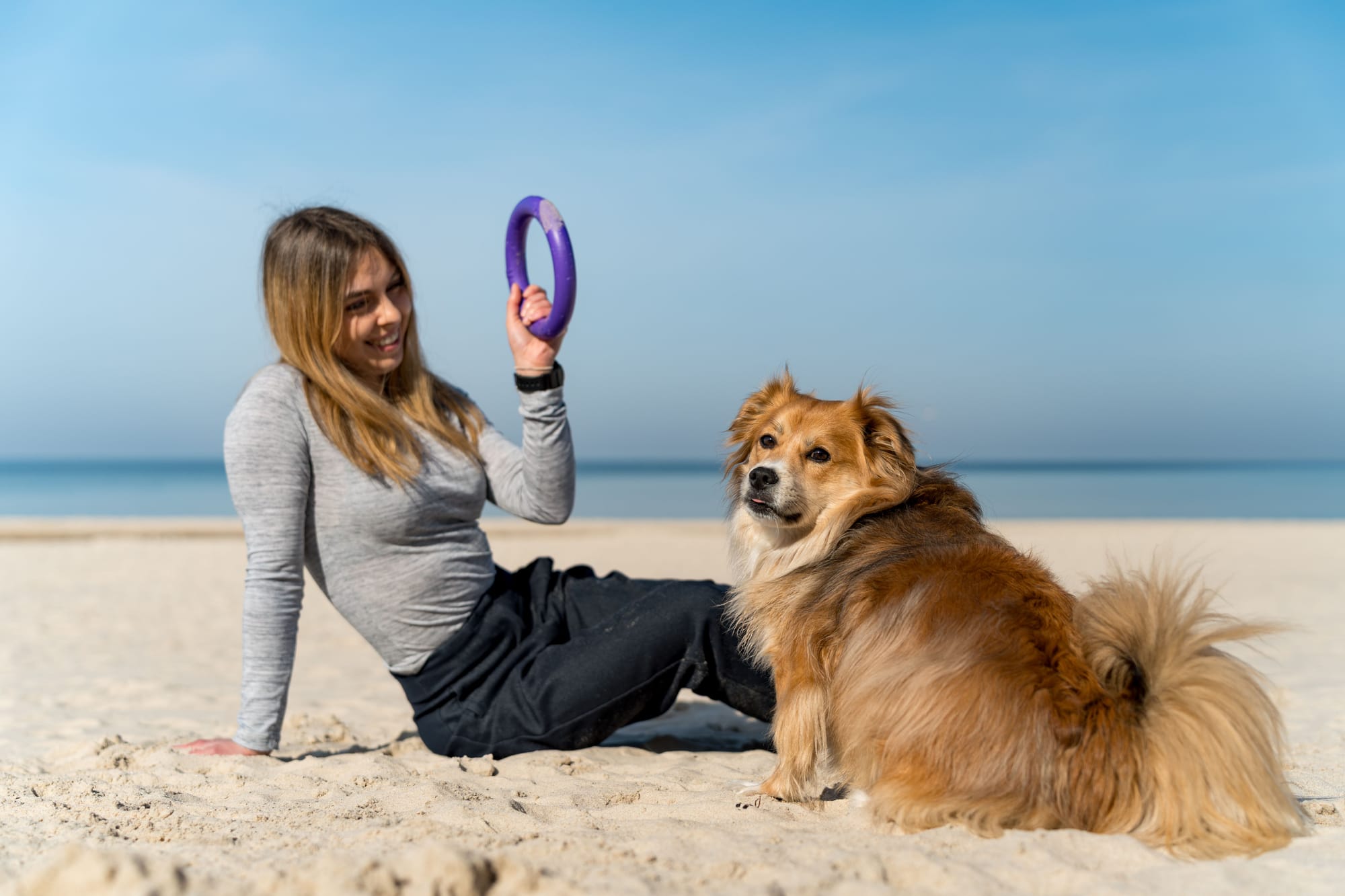
Why It Matters for Your Dog
Eco-friendly toys aren't just better for the planet. They're often safer for your dog too. Natural materials tend to have fewer chemicals and additives. That means less risk of irritation or tummy trouble if your dog happens to swallow a small piece.
Rubi has a sensitive stomach, so I'm careful about what she puts in her mouth. Since switching to natural rubber and cotton toys, I've noticed she doesn't get the same upset tummy she used to get after chewing on certain plastic toys. That could be a coincidence, but it's enough to make me stick with the gentler options.
Durability is another plus. A well-made hemp rope toy lasts much longer than a flimsy plastic one. That means fewer toys in the bin and more money left in your pocket.
A Few of My Favourites
I don't have sponsorships or anything like that. These are just toys Rubi and I have actually tried and liked.
There's a rubber fetch toy made from natural rubber that bounces unpredictably, which Rubi loves. It's held up well for months, which is saying something because she's a determined chewer.
We also have a hemp rope tug that's become a favourite for rainy afternoons. It's sturdy, soft on her teeth, and when it eventually wears out, I can compost it.
And for quieter moments, there's a wool-filled duck that Rubi carries around like a little treasure. It's not indestructible, but it's soft and safe, and she seems to find it comforting.
Simple Tips for Choosing Better Toys
Start by reading the label. Look for materials you recognise and can pronounce. If the label is vague, that's usually a sign to put it back on the shelf.
Choose toys that match your dog's play style. A dog who loves to chew needs something durable. A dog who loves to fetch needs something lightweight and easy to throw. A dog who likes to cuddle needs something soft. Matching the toy to the dog means it'll last longer and get more use.
Repair toys when you can. A loose seam on a plush toy can often be stitched up rather than thrown away. A frayed rope can sometimes be trimmed and re-knotted.
And when a toy really has reached the end, check if it can be recycled or composted. Some brands even offer take-back schemes.
A Small Change That Adds Up
I'm not perfect at this. I still have a few plastic toys in Rubi's basket that I bought before I started paying attention. But small changes add up. Every natural rubber toy and every hemp rope is one less piece of plastic that might end up in a landfill or the sea.
Rubi doesn't know anything about recycling or sustainable materials. She just knows which toys are fun. The good news is that the eco-friendly ones are just as fun, if not more so. They bounce, they squeak, they tug, and they last.
And honestly, there's something nice about knowing that the thing your dog is happily chewing on isn't causing harm somewhere else. It's a small way of looking after the world that Rubi and I share.
Final Thoughts
If you're thinking about making the switch, start small. Swap one toy for a natural alternative and see how your dog gets on. You might find, like I did, that the eco-friendly options are just as good, and sometimes better.
Rubi sends a tail wag and a slobbery kiss. And if you see us out on a walk, she'll probably be carrying her hemp rope. It's her new favourite. And I feel a little better knowing it's kind to the planet too.