Expensive Dog Toys vs. A Simple Stick: What Rubi Taught Me
A toy from a shop is familiar within a day. A stick is a fresh discovery every time.
Anyone who shares their home with a dog knows they have a way of making ordinary days better. From the excited greeting at the door to the quiet moments curled up on the sofa, dogs become part of the rhythm of our lives.
And yet, despite all the love we pour into them, they have a habit of reminding us what really matters. I learned this the hard way after spending a small fortune on a squeaky plush duck that Rubi ignored completely in favour of a twig she found in the garden.
The Toy Basket Nobody Asked For
If you're anything like me, you've probably got a basket in the corner of the living room overflowing with dog toys. There's the rope tug, the treat ball, the crinkly fox that lasted all of ten minutes. Each one promised hours of enrichment. Each one cost more than my own lunch.
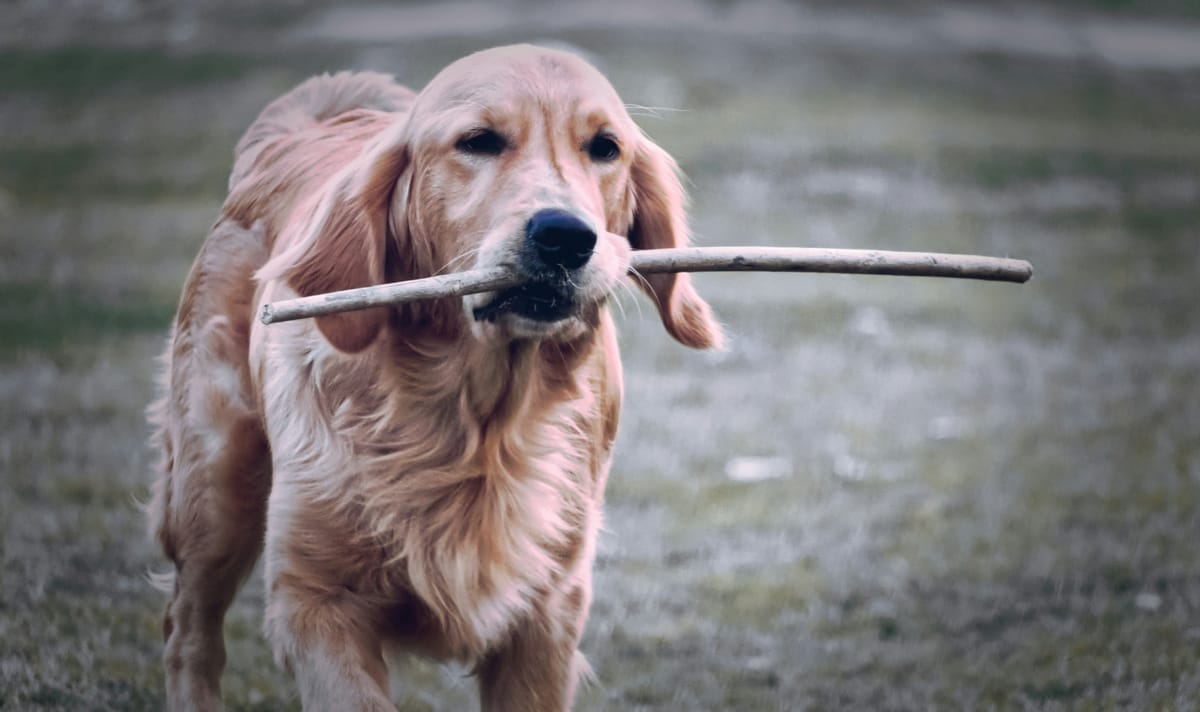
Rubi does play with some of them. The treat ball gets a good workout when she's in the mood. But her absolute favourite thing in the world? A stick. Preferably one she's found herself, slightly muddy, and just the right size for a good chew.
I used to feel a bit guilty about it. Was I depriving her? Was she bored? Then I watched her spend twenty happy minutes tossing a stick in the air and pouncing on it, and I realised the answer was no.
Why Dogs Love the Simple Things
There's something about a stick that taps into a dog's natural instincts. It's new, it smells interesting, and it moves in unpredictable ways when they bat it about. A toy from a shop is familiar within a day. A stick is a fresh discovery every time.
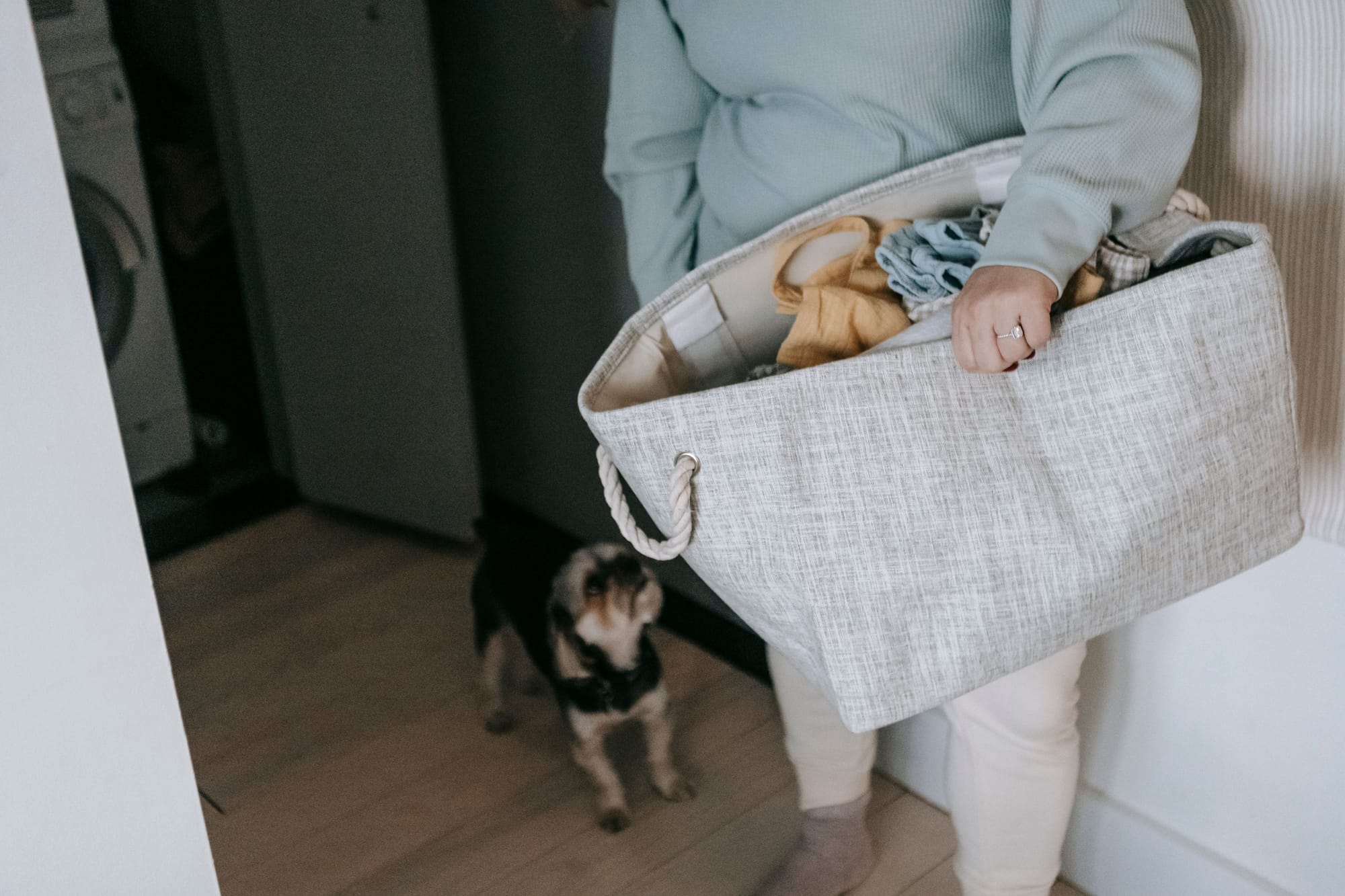
Rubi also loves cardboard boxes, empty plant pots, and the occasional sock that escapes the laundry basket. She doesn't need a label or a price tag. She needs something to sniff, chase, and chew.
I'm not saying toys are pointless. They absolutely have their place, especially for keeping dogs mentally stimulated when the weather keeps us indoors. But the lesson here is that dogs don't measure value the way we do.
When Toys Are Worth the Money
Some toys genuinely earn their keep. A good puzzle feeder can slow down a greedy eater. A durable chew toy can save your furniture during teething. A long-lasting ball launcher is brilliant for burning off energy in the park.
The trick is to buy with purpose rather than impulse. Ask yourself what your dog actually enjoys. Rubi loves chasing, so a ball on a rope works well. She's not a big chewer, so the indestructible rubber toys are overkill.
Watch your dog for a week before you buy anything new. You'll learn far more from their behaviour than from any product description.
Safety First With Sticks
I do need to mention one important thing. Sticks aren't risk-free. They can splinter, and a dog running with a stick in their mouth can hurt themselves if it jams into the ground. Always supervise stick play, and choose ones that are too big to swallow.
If you're worried, there are rubber stick toys that mimic the real thing without the splintering risk. Rubi isn't fooled by them, but plenty of dogs are.
A Few Things I've Learned
- Rotate toys rather than leaving them all out at once. Old toys feel new again after a week in a cupboard.
- Try a cardboard box with treats hidden inside. It's free and Rubi loves it.
- Don't feel guilty about the expensive toy your dog ignores. It happens to all of us.
- Supervise any play with sticks or found objects.
- Spend a few minutes watching your dog before buying their next toy. Their preferences might surprise you.
The Joy of Keeping It Simple
At the end of the day, Rubi doesn't care whether her toy came from a boutique or fell off a tree. She cares that I'm there, throwing it, laughing at her, and making a fuss when she brings it back. That's the bit that matters.
So the next time your dog snubs an expensive purchase in favour of something you could have picked up for free, try not to take it personally. They're just reminding us that the best things in life are often the simplest. And honestly, they're probably right.