From Sofa to Street: How Environment Changes Dog Behaviour
Have you ever noticed how your dog acts differently when you're out on a walk compared to when they're lounging at home? ...
Anyone who shares their home with a dog knows they have a way of making ordinary days better. From the excited greeting at the door to the quiet moments curled up on the sofa, dogs become part of the rhythm of our lives.
But have you ever noticed how your dog acts differently when you're out on a walk compared to when they're lounging at home? I certainly have with my Cockapoo, Rubi. One minute she's a calm, cuddly companion, and the next she's a whirlwind of sniffing and excitement the moment we step outside.
It got me thinking about just how much our dogs' surroundings affect their behaviour. And honestly, the more I've observed Rubi, the more I've realised that environment plays a massive role in who our dogs are from one moment to the next.
The Home Comfort Zone
At home, most dogs are in their safe space. They know every corner, every smell, every creaky floorboard. This familiarity allows them to relax.
Rubi has her favourite spots. The sunny patch by the back door in the morning, the corner of the sofa in the afternoon, and without fail, she's curled up at my feet by evening. At home, her behaviour is predictable. She's calm, she listens well, and she knows the rules.
But here's the thing. That calm behaviour isn't just about Rubi being a "good dog". It's about her environment working with her. Our homes are designed for human comfort, and over time, our dogs adapt to that. They learn where they can settle, where the food comes from, and what's expected of them.
When Rubi gets a bit too excited in the house, it's usually because something has changed. A visitor arrives, or I bring out her lead. Suddenly, her environment has shifted, and her behaviour shifts with it.
Out on the Street
Then there's the street. Everything changes.
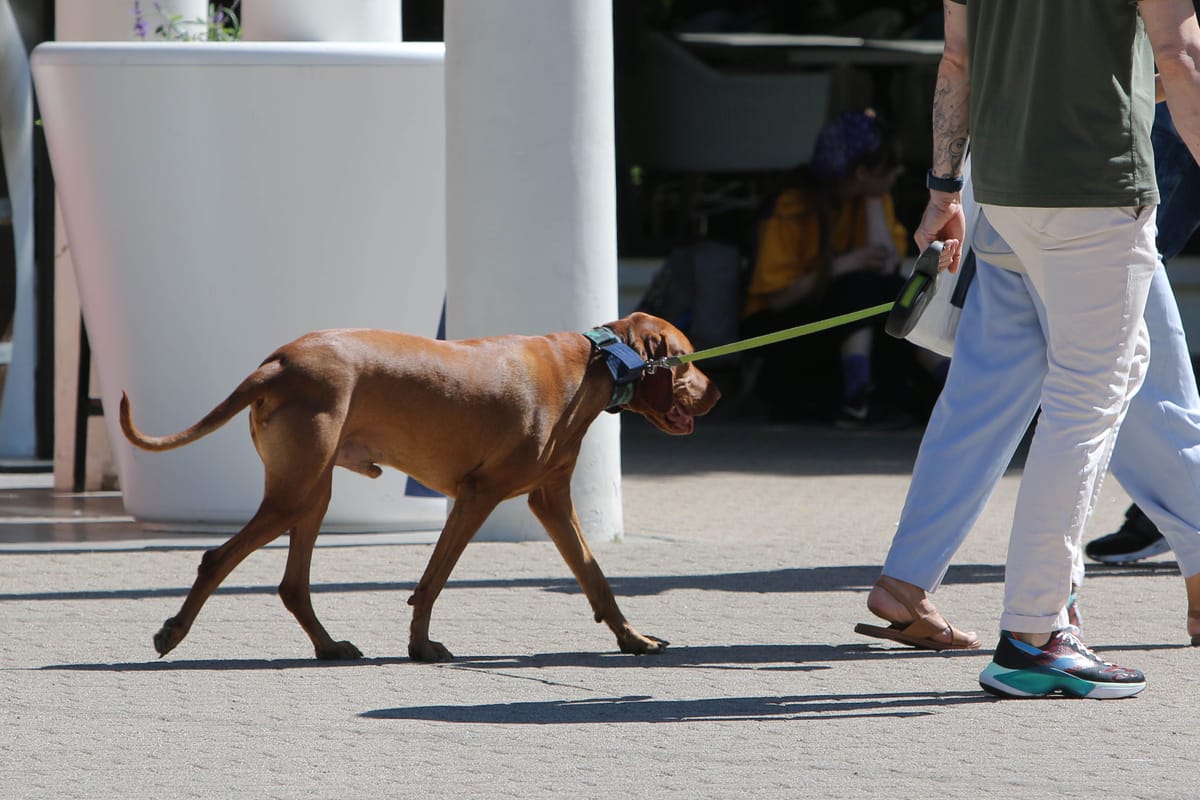
The first thing I notice when we head out is Rubi's nose. It goes straight to the ground. Every blade of grass, every lamp post, every patch of pavement is a world of information she simply must investigate. At home, she might sniff around the garden, but on the street, she's a detective on a mission.
The sights, sounds, and smells are overwhelming in the best possible way for her. Cars pass by, other dogs bark in the distance, children run past. Her ears are pricked, her tail is up, and her whole body language says she's ready for anything.
Rubi pulls more on the lead when we're out. Not because she's badly behaved, but because there are so many interesting things to explore. Her environment is full of distractions, and I can't expect her to focus on me the same way she does at home.
I've learned that comparing her behaviour on the street to her behaviour at home isn't really fair. They're completely different worlds.
What's Happening in Their Heads
Dogs process their environment through their senses, especially their noses. While we see the street as a path from A to B, our dogs see it as a library of scents.
Every walk is like reading a newspaper for them. They know which dogs have passed by, what they ate for breakfast, and whether they were feeling stressed or happy. This is why Rubi will spend ages sniffing one particular spot while I'm standing there feeling impatient. She's gathering information, and it's important to her.
The street is also full of unpredictable events. A sudden loud noise, a bike whizzing past, or a cat darting across the road. At home, these surprises are rare. On the street, they're part of the experience.
This unpredictability can make some dogs anxious. Others, like Rubi, find it exhilarating. Either way, the environment is driving that reaction.
Different Places, Different Dogs
I've noticed that Rubi behaves differently depending on exactly where we are.
In the quiet residential streets near our house, she's relaxed but alert. She walks nicely on the lead and only gets excited when we pass her favourite bush.
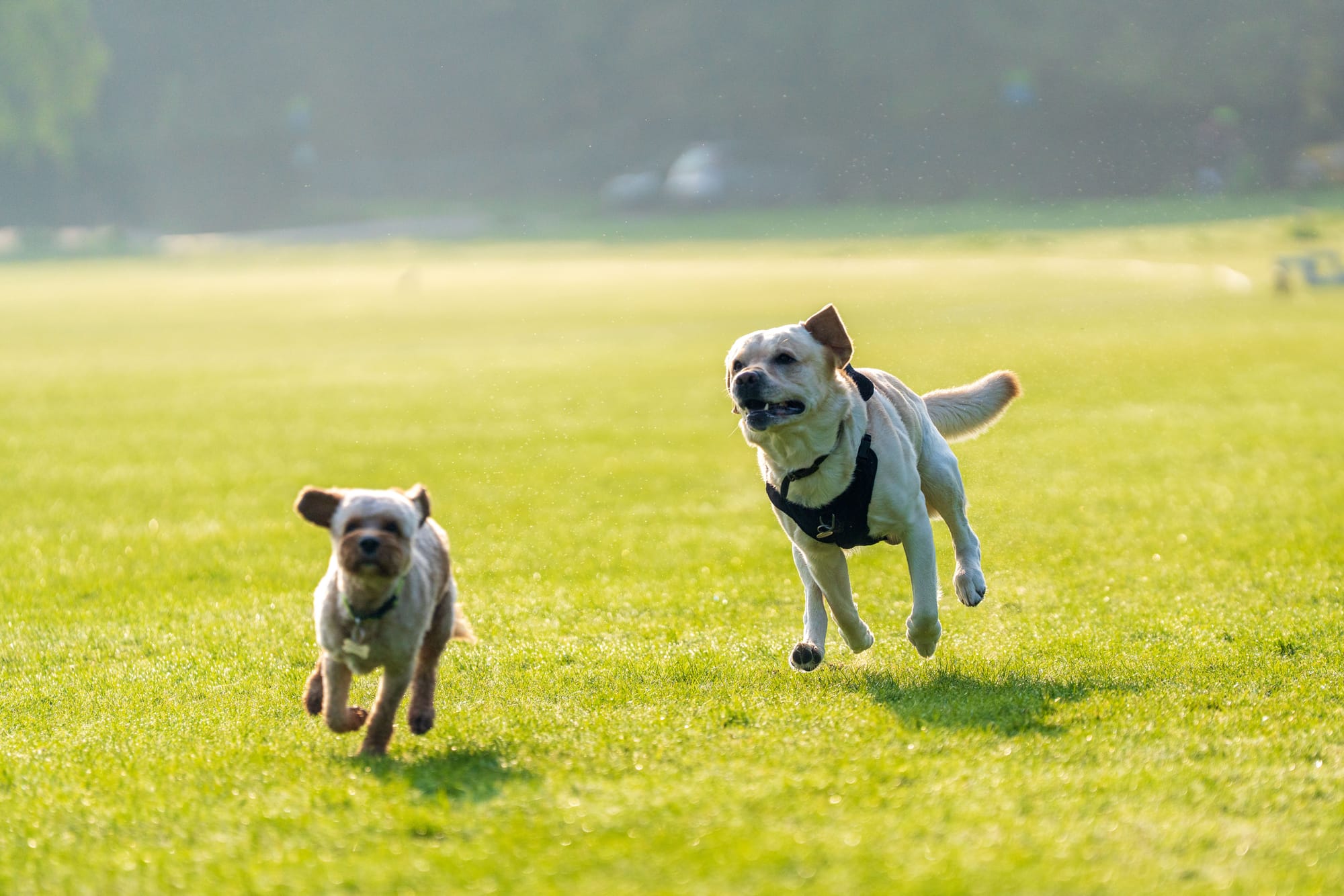
At the park, she's a different dog entirely. The open space seems to free something in her. She runs, she bounds, she rolls in grass. Her recall is patchier because there are squirrels to chase and other dogs to greet.
In the busy town centre, she's more cautious. She stays closer to me, watches everything carefully, and sometimes needs reassurance when the traffic gets loud.
It's fascinating to watch. The same dog, in different places, showing different sides of her personality. I suppose we're all a bit like that, aren't we? Most of us act differently at work than we do at home.
How We Can Help Our Dogs Adjust
Knowing that environment affects behaviour means we can be smarter about helping our dogs feel comfortable.
First, I try to be patient with Rubi when she's distracted. If she's pulling towards something on the street, it's because that thing is genuinely interesting to her. I can't expect her to ignore it just because I'm not interested.
Second, I've started paying more attention to her body language in different settings. If she's tense on a busy street, I know she needs some space. If she's bouncing with joy in the park, I let her enjoy it.
Third, I've learned to manage her environment when I need to. If we're working on training, we practice at home first where there are fewer distractions. Once she's mastered something there, we take it to the garden, then to the quiet street, and only then to busier places.
It's all about setting her up for success rather than expecting her to cope with everything at once.
The Takeaway
Our dogs aren't one single version of themselves. They shift and change depending on where they are, what's happening around them, and how they're feeling in that moment.
Rubi at home is calm and cuddly. Rubi on the street is curious and energetic. Rubi at the park is joyful and free. They're all Rubi, just different expressions of the same lovely dog.
So next time your dog acts differently on a walk than they do at home, try not to get frustrated. Remember that they're experiencing a completely different world out there. One full of smells, sounds, and adventures that we can barely imagine.
Our job is to meet them where they are, in whatever environment they're in, and help them enjoy it.