More Than Playthings: How the Right Toys Can Unlock Your Dog's True Happiness
The toy you choose, the way you present it, and the purpose it serves in your dog's life can make the difference between a dog who is merely occupied and a dog who is genuinely, deeply happy ...

There is a moment of pure magic that every dog owner knows well. You walk into a room holding a new toy, and your dog's entire world narrows to that single object. Their ears perk forward. Their tail begins a slow, hopeful wag that quickly escalates into a full-body wiggle. Their eyes lock onto your hand with an intensity that suggests you are holding the most precious treasure on earth. You toss the toy, and they launch after it with joyful abandon, returning to you proudly, inviting you to share in their delight. In that simple exchange, something profound is happening. Your dog is not just playing. They are experiencing joy at its most elemental level.
But here is the truth that many owners overlook: not all toys are created equal. The toy you choose, the way you present it, and the purpose it serves in your dog's life can make the difference between a dog who is merely occupied and a dog who is genuinely, deeply happy. The right toys are not just entertainment. They are tools for mental health, physical well-being, emotional regulation, and bonding. They are windows into your dog's natural instincts and bridges that connect their world to yours. Understanding what makes a toy "right" is one of the most loving gifts you can give your canine companion.
Let us begin by acknowledging that play is not frivolous. For a dog, play is a fundamental need, as essential as food and water. It is how they express their innate drives, the urge to chase, to hunt, to chew, to tear, to herd. A dog who is never given appropriate outlets for these instincts is a dog who is, in a very real sense, unfulfilled. They may become restless, destructive, anxious, or depressed. They may chew your furniture not because they are "bad," but because their soul is crying out for the satisfaction that only appropriate chewing can provide. The right toy channels that drive into a positive, joyful activity. It says to your dog, "Your instincts are good. Here is a safe, fun way to express them."
Think about the simple joy of a squeaky toy. That high-pitched sound is not just a random noise. It mimics the distress call of small prey animals. For many dogs, particularly those with a strong prey drive, the squeak awakens something ancient and thrilling. They are not trying to kill the toy. They are engaging in a safe, simulated hunt that leaves them feeling satisfied and proud. When your dog finally "kills" the squeaker, they often carry the toy around with a sense of accomplishment. This is not aggression. This is joy. It is the joy of being exactly who they are.
Chewing is another instinct that, when properly directed, becomes a source of profound contentment. Dogs are wired to chew. Puppies chew to soothe teething pain and explore their world. Adult dogs chew to keep their teeth clean, exercise their jaws, and relieve stress. The right chew toy, one that is durable, safe, and appropriately sized, can provide hours of focused, calming activity. A dog deeply engaged in a good chew is a dog in a meditative state. Their breathing slows. Their muscles relax. Their mind settles. It is a form of canine mindfulness, a way for them to process the day's events and release accumulated tension. Offering your dog a high-quality chew toy is not just giving them something to do. It is giving them a pathway to peace.
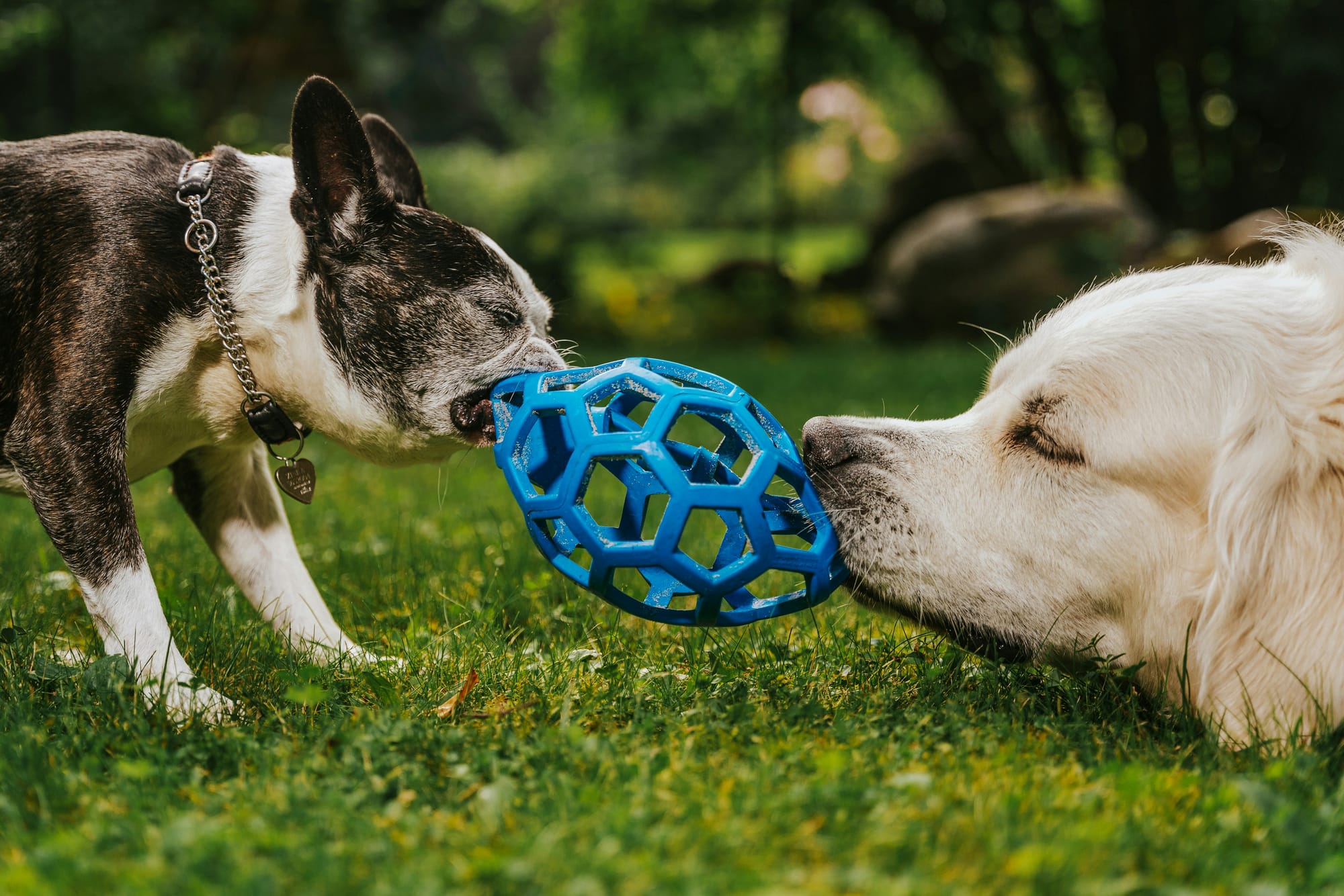
Then there is the world of interactive toys, the puzzles that challenge your dog's mind. These toys are perhaps the most underrated happiness tools in the pet industry. A dog who is given a puzzle toy filled with treats or kibble is not just eating. They are problem-solving. They are using their nose, their paws, their intelligence to figure out how to access the reward. This mental effort is deeply satisfying. It tires them out in ways that physical exercise alone cannot achieve. A fifteen-minute session with a puzzle toy can leave a dog as content and relaxed as a long walk. These toys tap into your dog's natural curiosity and resourcefulness. They say, "You are smart. You can figure this out. And I believe in you." The confidence your dog gains from solving a puzzle, the little tail wag when they finally get that last piece of kibble, is pure, earned happiness.
Tug toys deserve their own special mention. The game of tug is not about dominance, as old myths once suggested. When played properly, tug is a cooperative game. You and your dog are partners. You both pull, you both hold, you both release. The rules of the game, taking turns, letting go when asked, celebrating the victory together, build trust and communication. Tug is also an extraordinary physical workout. It engages your dog's entire body, from their powerful neck and shoulders to their back legs that brace for the pull. And the best part is that it is a game of connection. You are not just tossing a toy and walking away. You are actively playing with your dog, looking into their eyes, sharing a moment of joyful intensity. That shared experience deepens your bond in ways that solitary play cannot.
But the magic of the right toy is not just about the toy itself. It is about how you use it. A toy that sits in a basket, never touched, is just an object. A toy that you bring to life, that you animate with your voice and your energy, becomes a portal to joy. You can make a plush toy "run" across the floor, inviting your dog to chase. You can hide a toy under a blanket and watch your dog's delight as they discover it. You can take a ball and bounce it unpredictably, turning a simple fetch into a thrilling game of anticipation. Your engagement is the secret ingredient. Your dog does not just love the toy. They love what the toy represents: you, paying attention, playing with them, sharing happiness.
Equally important is the concept of rotation. Dogs, like humans, can become bored with the same toys day after day. The toy that once sparked pure joy can become predictable and uninteresting. By rotating your dog's toys' keeping a few out and storing the rest, then swapping them every week, you keep the magic alive. When a toy reappears after a month in the cupboard, it feels new again. Your dog greets it with fresh excitement. This simple practice costs nothing but pays immense dividends in sustained happiness.
Now we must address the darker side of toys: the wrong toy can be dangerous. Toys that are too small can be swallowed and cause life-threatening blockages. Toys that are too hard can crack teeth. Toys with stuffing that your dog swallows can lead to intestinal obstructions. Toys with glued-on eyes or noses can be chewed off and ingested. The right toy is not just fun. It is safe. It is appropriately sized for your dog's mouth. It is durable enough for their chewing style. It is made from non-toxic materials. And perhaps most importantly, the right toy is one that you supervise. No toy is completely indestructible. Knowing when to take away a damaged toy is an act of love. Your dog's safety is the foundation upon which all their happiness is built.
Different dogs need different toys. A high-energy Border Collie needs toys that challenge their mind and satisfy their herding instincts. A ten-pound Chihuahua needs toys they can actually carry. A senior dog with sore joints needs soft toys that are gentle on their mouth and can be enjoyed without vigorous activity. A puppy needs teething toys that soothe their gums. A powerful chewer needs toys that can withstand the force of their jaws. There is no one-size-fits-all answer. The right toy is the one that fits your dog. It is the one that makes their eyes light up, that engages their body and mind, that brings them joy without causing harm.
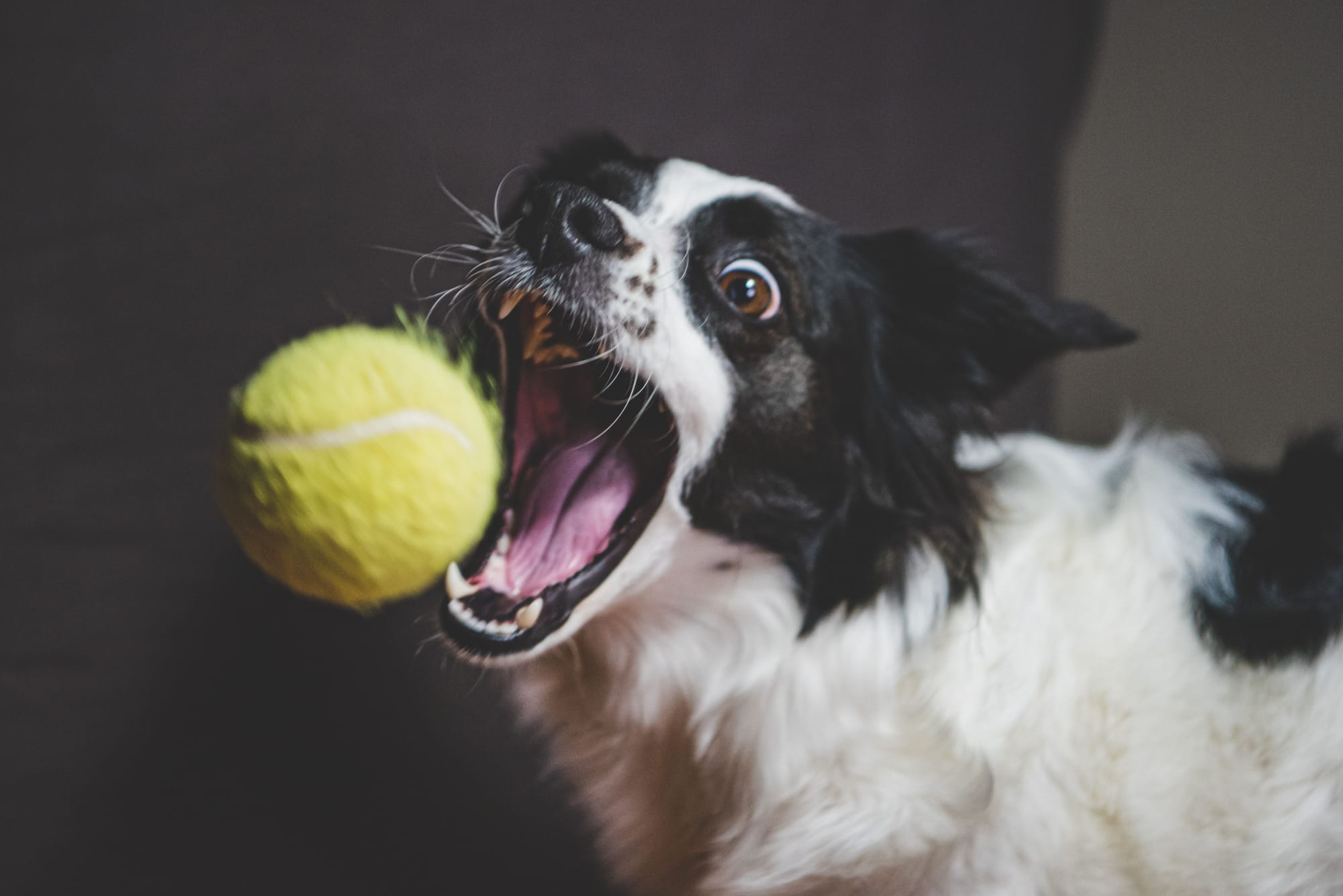
Perhaps the most beautiful thing about the right toy is what it represents. When you take the time to choose a toy that suits your dog's unique personality, when you watch them play and learn what they love, when you engage with them in the game, you are sending a powerful message. You are saying, "I see you. I know you. You matter to me." Your dog understands that message. They may not have words, but they have that joyful spark in their eyes, that wiggling body, that proud trot as they bring you their favorite toy. In those moments, they are not just happy. They are loved. And that love, expressed through the simple act of playing together with the right toy, is the truest happiness there is
The right toys are far more than simple diversions for your dog. They are essential tools for physical health, mental stimulation, emotional regulation, and social bonding. A good chew toy satisfies your dog's instinctive need to gnaw, calming their mind and soothing their anxiety. A squeaky toy awakens their prey drive in a safe, joyful way. A puzzle toy challenges their intelligence and rewards their problem-solving skills with the satisfaction of a job well done. A tug toy builds trust, communication, and the profound connection that comes from playing together. The key is choosing toys that are safe, appropriately sized, and suited to your dog's unique personality and needs. Rotate them regularly to keep the excitement fresh. Engage with your dog during play, because your attention is the magic that transforms an object into a source of joy. And always supervise your dog with their toys to ensure their safety. When you get the toys right, you are not just giving your dog something to do. You are giving them an outlet for their instincts, a boost for their confidence, and a bridge to your heart. A dog with the right toys is a dog who feels seen, understood, and deeply loved. And a deeply loved dog is a happy dog, from the tip of their wagging tail to the joyful sparkle in their eyes.