Preventing Heatstroke: How to Care for Your Dog in Summer
The warm weather we look forward to can actually be quite dangerous for our four-legged friends ...
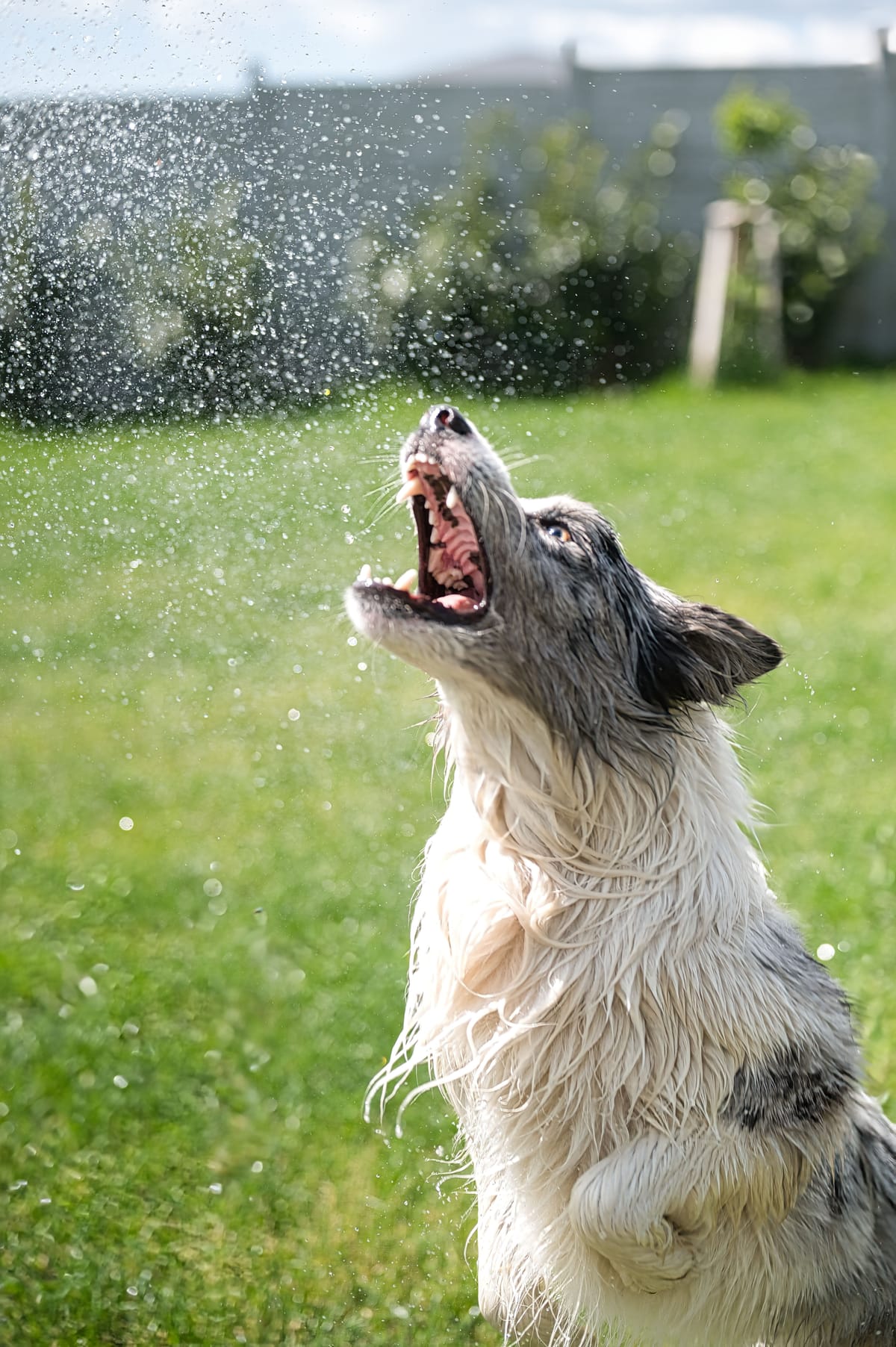
Anyone who shares their home with a dog knows they have a way of making ordinary days better. From the excited greeting at the door to the quiet moments curled up on the sofa, dogs become part of the rhythm of our lives. But when summer arrives, that rhythm needs to change a little. The warm weather we look forward to can actually be quite dangerous for our four-legged friends.
I remember the first summer after I brought Rubi home. I was so eager to take her on long walks in the sunshine, thinking we'd have the best time exploring together. It didn't take long to realise that what felt pleasant to me was making her really uncomfortable. That experience taught me just how important it is to adapt our routines when the temperature rises.
Why dogs struggle with heat
The simple answer is that dogs don't sweat like we do. While we can cool down through perspiration all over our bodies, dogs can only sweat through their paw pads. They rely much more on panting to regulate their temperature . On a hot day, this just isn't very efficient, and they can overheat quickly.
What surprised me most was learning that heatstroke doesn't just happen on scorching days. It can occur even when the temperature feels quite manageable, especially for certain dogs . Veterinary claims for heat-related illnesses increase by nearly 300% in summer, so it's something every dog owner needs to take seriously .
Which dogs are most at risk?
Some dogs need extra care in warm weather. Flat-faced breeds like Bulldogs, Pugs, and Boxers are particularly vulnerable because their shorter airways make panting less effective . In fact, these breeds can be up to fourteen times more likely to develop heatstroke .
Older dogs, overweight dogs, and those with heart or respiratory conditions are also at higher risk . If your dog has a thick coat, they'll feel the heat more too. Rubi's curly Cockapoo coat needs regular grooming in summer to keep her comfortable.
Common signs of overheating
Knowing what to look for can make all the difference. Early signs of heat stress include:
- Excessive panting that doesn't settle
- Drooling more than usual
- Bright red gums or tongue
- Restlessness or agitation
- Lethargy or seeming confused
If heatstroke progresses, you might see vomiting, diarrhoea, muscle tremors, or even collapse . This is a genuine emergency requiring immediate veterinary attention.
Practical ways to keep your dog cool
Walk at the right time
This is probably the most important change you can make. Walking during the cooler parts of the day, early morning or late evening, significantly reduces the risk of overheating . I've become a convert to early morning walks with Rubi, and honestly, there's something lovely about having the streets to ourselves.
On very hot days, it's better to miss a walk entirely than to risk heatstroke . We've had days where we've just done some gentle indoor play instead, and Rubi has been perfectly happy with that.
Check the pavement
Before you head out, test the ground with the back of your hand. If you can't comfortably hold it there for more than a few seconds, it's too hot for your dog's paws . Asphalt and sand can be 40 to 60 degrees hotter than the air temperature . Stick to grassy areas or consider protective booties if you need to walk on pavement.
Provide constant access to water
Make sure your dog always has fresh, cool water available, both indoors and outdoors. When you're out and about, carry water and a portable bowl . I've got a collapsible bowl that clips onto Rubi's lead, and it's been a lifesaver on warm days.
Create cool spaces at home
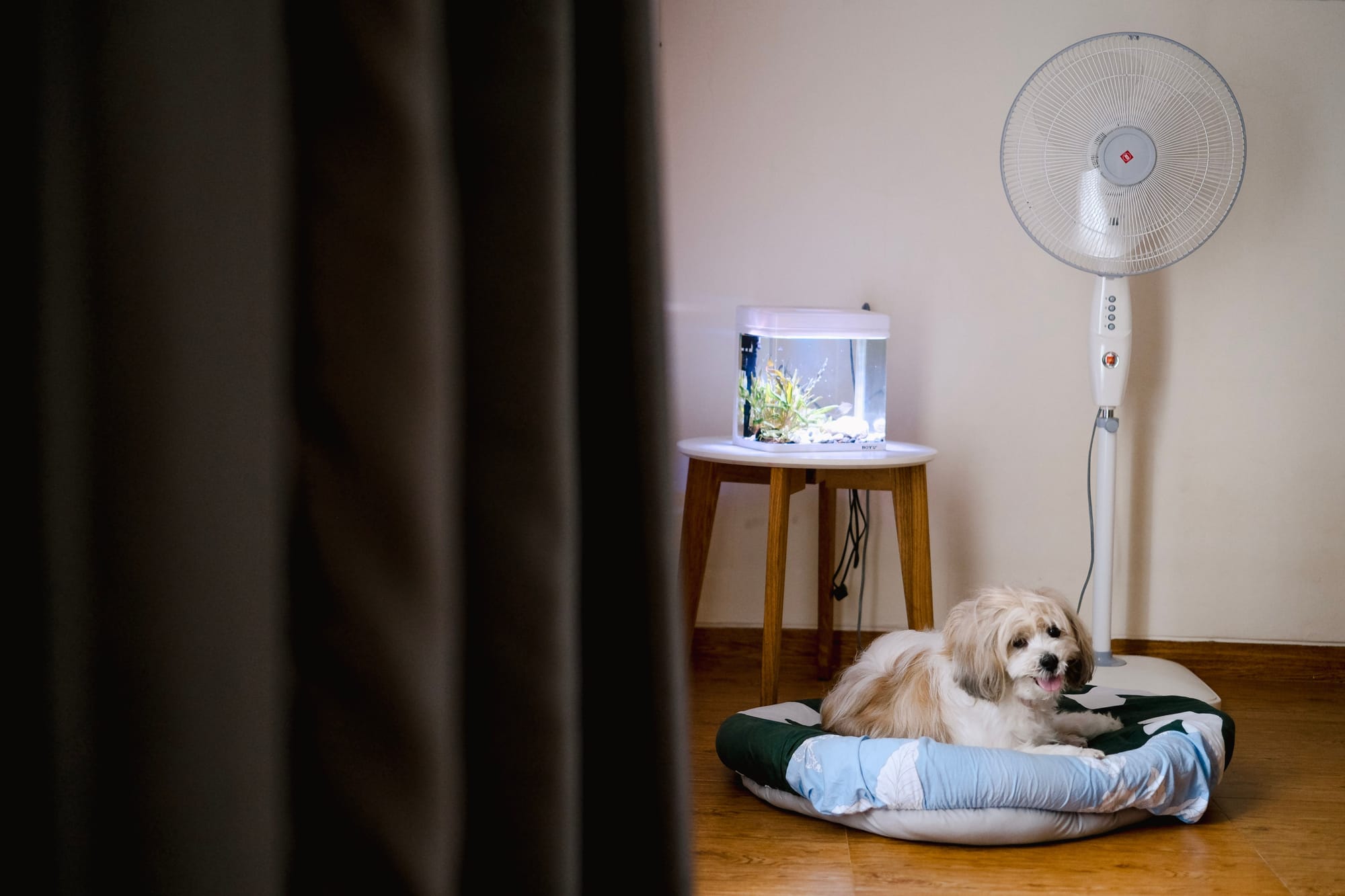
Your dog needs somewhere shady to retreat to, whether they're indoors or out. A cool, well-ventilated room makes a big difference. You could also invest in a cooling mat, which can provide welcome relief on hot days .
Never leave your dog in a car
I know this gets repeated endlessly, but it's worth saying again: never leave your dog in a parked car, even for a few minutes. On a 22-degree day, the temperature inside a car can rise by 11 degrees in just ten minutes . That's not a risk worth taking.
What to do if you suspect heatstroke
If you think your dog is overheating, act quickly. Move them to a cool, shaded area and start cooling them down with cool water. Avoid ice-cold water, as this can cause complications . Pour water over their body, use a fan if possible, and offer small amounts of water to drink .
The key message from veterinary experts is to get your pet wet, then call a vet . Heatstroke is life-threatening, with death rates of up to 50% in affected dogs . Don't delay seeking professional help.
Our summer routine
We've developed a summer routine that works well for Rubi and me. Mornings are for longer walks, we do quick bathroom breaks during the day, and evenings are for gentle strolls when the temperature has dropped. I've found that frozen treats and a paddling pool in the garden make hot days much more bearable for her.
Remember, every dog is different. What works for one might not suit another. The important thing is to pay attention to your dog's cues and adjust accordingly. They rely on us to keep them safe, and with a few simple changes, we can all enjoy a happy summer together.