Smile in the Tail: What Your Dog's wag really Means
A dog's tail position, the speed of the wag, and the rest of their body language all work together to tell a story ...

Anyone who shares their home with a dog knows they have a way of making ordinary days better. From the excited greeting at the door to the quiet moments curled up on the sofa, dogs become part of the rhythm of our lives. And one of the most joyful parts of that rhythm? The wagging tail. Rubi, my Cockapoo, has a tail that seems to have a life of its own. But I've learned that a wag isn't always a simple sign of happiness. It's a whole language, and once you start to understand it, you realise just how much our dogs are trying to tell us.
More Than Just a Happy Hello
We often assume a wagging tail equals a happy dog, and a lot of the time, that's true. But if you watch closely, you'll notice there are many different types of wags, each with its own meaning. Think of it like a smile. Sometimes we smile because we're overjoyed, and other times it's a nervous smile or a polite one. It's the same for dogs. A wag is a sign of emotional arousal, which can mean excitement, curiosity, anxiety, or even aggression .
The key is to look at the whole picture. A dog's tail position, the speed of the wag, and the rest of their body language all work together to tell a story .
Decoding the Wag: A Little Guide
So, how do you become a master of tail language? Here are a few things I've picked up from watching Rubi and reading up on the subject.
The Happy High Wag
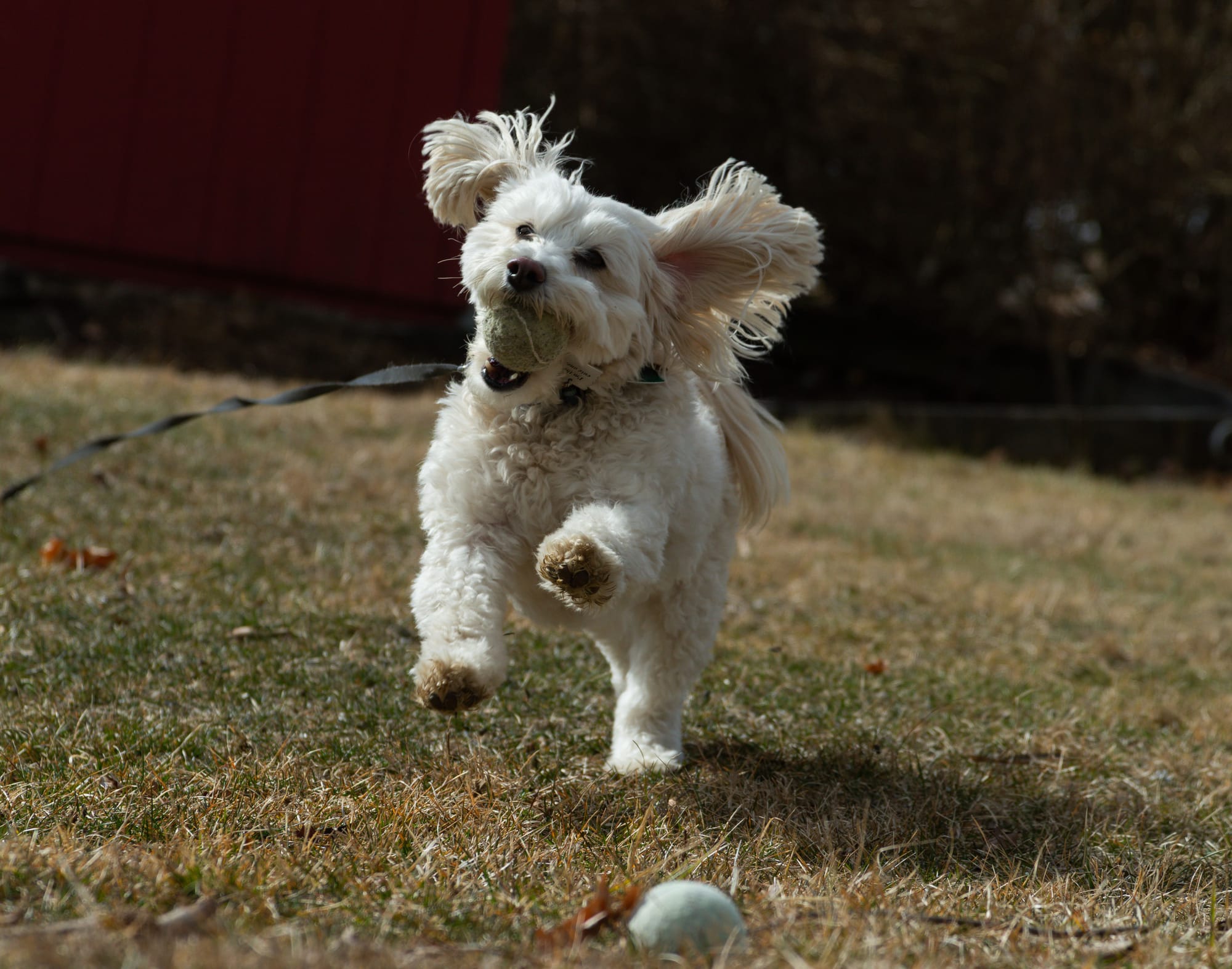
This is the one we all love to see. A tail held high, wagging enthusiastically from side to side, often with a wiggly bottom attached. This usually means a confident, happy, and excited dog. When I come home and Rubi greets me with this, along with her whole back end wiggling, I know she's over the moon to see me .
The Circle or Helicopter Wag
This is the ultimate sign of joy. When a dog wags their tail in a circular motion, like a helicopter blade, it's often reserved for the people they love most. It's the kind of wag you see in those heartwarming reunion videos. Rubi does this when my partner comes home from a long trip; it's pure, unadulterated delight .
The Low and Slow Wag
A tail held low, or even tucked between the legs, is a sign of insecurity, fear, or nervousness. The wag, if there is one, is often slow and hesitant. If you see this, it's best to give your dog some space and try to figure out what's making them uncomfortable . It's their way of saying, "I'm not sure about this."
The Stiff High Wag
This is the one to be careful of. A tail held very high and stiff, with a fast, rigid wag, can signal high arousal, which might be aggression or a warning. This is often accompanied by a stiff body and a hard stare. This is a sign that a dog is feeling threatened and may be preparing to react. It's a clear signal to back off .
It's a Full-Body Conversation
A tail wag, on its own, doesn't tell the whole story. You have to look at the rest of the dog. Are their ears relaxed or pinned back? Is their body loose and wiggly or stiff and tense? Are their eyes soft or hard and staring? A happy dog will have a relaxed body and face, whereas a tense dog might still be wagging their tail, but it's a sign of something else entirely .
The Science Bit: Left or Right?
Here's a fascinating detail I learned recently. Studies have shown that the direction of a dog's wag can also be a clue. Dogs tend to wag their tail more to the right when they're feeling positive and relaxed, and more to the left when they're feeling anxious or threatened . How incredible is that? It just shows how complex and rich their communication really is.
Learning to Listen
The more we pay attention to our dogs, the better we understand them. It's a two-way street. By learning to read their "tail language," we can better meet their needs and strengthen the bond we share. That wagging tail isn't just a cute quirk; it's a window into their world.
Una comparación útil de comienza por el tipo de tejido y el corte propio de la época. También ayuda revisar las instrucciones de conservación para estampados y bordados antes de completar el pedido.
So next time your dog wags their tail, take a moment to look at the whole picture. You might be surprised by what you learn.