The Doberman Isn't as Scary as People Think: A Dog Lover's Honest Take
They're intelligent dogs who genuinely want to do the right thing. They pick up commands quickly and thrive on having a job to do ...

I'll never forget the first time I met a Doberman. I was walking Rubi in the park, and coming towards us was this sleek, muscular dog with pointed ears and a confident stride. I'll be honest, my first instinct was to tighten Rubi's lead and step aside. But then the owner smiled and said, "She's a big softie, don't worry." And you know what? That Doberman gently sniffed Rubi's nose, wagged her stubby tail, and wandered off without a care in the world.
That moment stuck with me. It made me realise how often we judge dogs by their looks rather than their nature. So I thought it was about time I looked into the Doberman properly, because I suspect many of us have got them all wrong.
Where Did the Scary Reputation Come From?
Dobermans have been portrayed as guard dogs and villains in films for decades. You know the type. The barking Doberman in the background of a thriller, teeth bared and eyes narrowed. Hollywood loves a dramatic stereotype.
But here's the thing. Dobermans were originally bred in Germany in the late 1800s by a man named Karl Friedrich Louis Dobermann. He was a tax collector who needed a loyal, intelligent dog to accompany him on his rounds. Yes, they were bred to be protective, but they were also bred to be calm, responsive, and deeply loyal to their people. That's a far cry from the mindless monster some films would have you believe.
What Dobermans Are Really Like
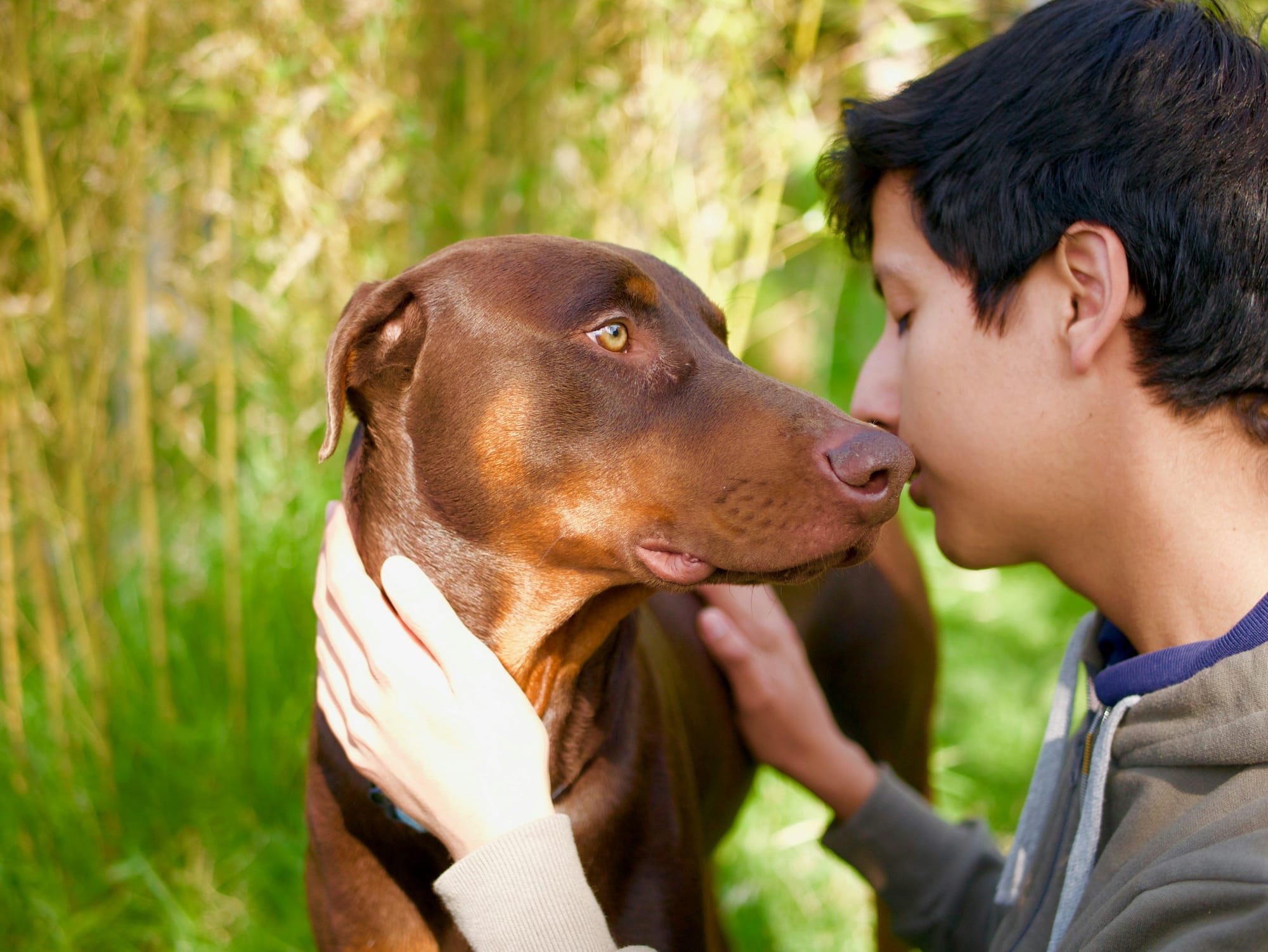
If you talk to anyone who has shared their life with a Doberman, you'll hear the same things again and again. They're affectionate. They're clever. They're a bit daft, actually.
My friend Claire has a Doberman called Bruno, and she tells me he's the biggest cuddle monster she's ever met. He follows her from room to room, rests his head on her lap whenever she sits down, and hides behind her legs when the hoover comes out. Not exactly the fearsome guard dog of cinema fame, is it?
Dobermans are known for being incredibly bonded to their families. They want to be involved in everything. Pop to the loo? They'll wait outside. Settle down for a film? They'll be on the sofa beside you, probably taking up more space than you'd like.
Clever, Sensitive, and Eager to Please
One thing that often surprises people is just how trainable Dobermans are. They're intelligent dogs who genuinely want to do the right thing. They pick up commands quickly and thrive on having a job to do, whether that's learning a new trick or simply following a routine.
They're also more sensitive than they look. A harsh word can upset them, and they respond far better to gentle, consistent training. Claire tells me Bruno sulks for hours if he thinks he's disappointed her. That's not a scary dog. That's a dog with a big heart who just wants to be loved.
Do Dobermans Need Lots of Exercise?
Yes, they're active dogs. They need a good daily walk, some playtime, and a bit of mental stimulation to keep them happy. If you're an active person who enjoys long walks and being outdoors, a Doberman could be a wonderful companion. They love being out and about with their people.
That said, they're not bouncing off the walls every second of the day. Once they've had their exercise, most Dobermans are quite content to curl up and snooze. Rubi and I clock up a fair few miles each week, and I've seen plenty of Dobermans happily trotting along beside their owners, tails wagging and noses twitching.
Are They Good With Children and Other Pets?
With the right upbringing, yes. Dobermans who are socialised from a young age tend to be gentle and patient with children. They're big dogs, though, so supervision is always wise. They don't always realise their own size and can knock a little one over with an enthusiastic wag.
With other pets, it really depends on the individual dog and how they've been introduced. Claire's Bruno lives quite happily with two cats, though she says the cats are definitely in charge. Many Dobermans do fine with other dogs too, especially if they've been brought up alongside them.
The Key Is Early Socialisation
This brings me to the most important point. Any dog, regardless of breed, is a product of their upbringing. A Doberman who has been gently introduced to new people, places, and experiences from puppyhood is far more likely to grow into a calm, friendly adult.
It's fair to say that a poorly socialised Doberman can be wary of strangers. But that's true of many breeds. The answer isn't to fear the breed. It's to support responsible ownership, good breeding, and proper training. That's what makes the difference.
Should You Consider a Doberman?
If you're looking for a loyal, intelligent, affectionate dog and you have the time to commit to their training and exercise, a Doberman might be a wonderful fit. They're not for everyone. They're big, they need company, and they're not the sort of dog who'll be happy left alone all day. But if you can give them what they need, you'll be rewarded with one of the most devoted companions you could ask for.
I asked Claire if she'd ever worried about Bruno being scary. She laughed. "The only scary thing about Bruno is how much he costs in treats," she said. "He's the gentlest dog I know."
A Final Thought
I've learned over the years that dogs are individuals. Rubi is the friendliest little soul, but even she has her grumpy moments. A dog's breed gives us clues about their needs and tendencies, but it doesn't tell us the whole story. So next time you see a Doberman on your walk, maybe don't cross the street. Smile at the owner, say hello, and you might just meet a gentle giant who wants nothing more than a good sniff and a friendly pat.