The heart of happiness: What your dog really needs to feel joy
We recognize happiness in our dogs instantly. But have you ever stopped to wonder what actually creates that happiness ...

Every dog owner has seen it. That magical moment when your dog's entire body becomes a wiggling, tail-whipping expression of pure delight. Perhaps it is when you walk through the door after a long day. Perhaps it is when you pull out their favourite toy. Perhaps it is simply when you sit down on the floor beside them and they lean their full weight against your leg, sighing with contentment. We recognize happiness in our dogs instantly. But have you ever stopped to wonder what actually creates that happiness? What are the ingredients that, when combined, produce a truly joyful dog?
The answer is more complex and more beautiful than you might imagine. It is not just about treats, though treats certainly help. It is not just about walks, though walks are wonderful. True canine happiness is woven from many threads, physical health, mental stimulation, emotional security, social connection, and the profound bond they share with you. Understanding these threads allows you to become not just a provider of food and shelter, but a genuine architect of your dog's joy.
Let us begin with the most fundamental element of happiness: feeling safe. Before a dog can play, before they can explore, before they can relax into a deep, belly-up sleep, they must first feel secure in their environment. Safety is the foundation upon which all other happiness is built. A dog who is constantly on edge, who startles at every noise, who feels threatened by strangers or other animals, cannot experience true joy. Their energy is consumed by vigilance. Creating safety means providing a predictable routine, a quiet space where your dog can retreat when they feel overwhelmed, and a calm, consistent energy from you. Your dog looks to you as their anchor. When you are calm and steady, they feel calm and steady. When you are unpredictable or harsh, they feel anxious. The simplest gift you can give your dog is the knowledge that their world is stable and that you are their protector.
Once safety is established, the next pillar of happiness is physical well-being. A dog in pain, a dog who is hungry, a dog who is exhausted, or a dog who is bursting with unspent energy cannot be genuinely happy. Meeting their basic physical needs is not optional; it is the bare minimum. This means high-quality, nutritious food that suits their age and activity level. It means fresh, clean water available at all times. It means regular veterinary care to catch hidden issues before they become painful. It means appropriate exercise, not just a quick walk around the block, but the kind of movement that allows your dog to run, sniff, explore, and use their body in the ways nature intended. A tired dog is often a happy dog, but it is important to distinguish between healthy tiredness and exhaustion. The goal is a pleasant fatigue that leaves your dog satisfied, not depleted.
Yet physical exercise alone is not enough. Your dog's brain craves stimulation just as much as their body craves movement. Mental enrichment is a cornerstone of canine happiness that is tragically overlooked. A dog who spends their days staring at walls, waiting for something to happen, becomes bored and often anxious. Boredom is the enemy of happiness. Your dog needs problems to solve, puzzles to figure out, and new experiences to process. This can be as simple as hiding their kibble around the house so they have to use their nose to find it. It can be introducing a new walking route where they can encounter fresh smells and sights. It can be training sessions where they learn a new trick, not because they need to perform, but because the process of learning with you is deeply rewarding. Sniffing, in particular, is profoundly enriching for dogs. A walk where your dog is allowed to stop and smell the proverbial roses and the fire hydrants, and the grass, and the tree trunks, is a walk that nourishes their soul. The act of sniffing lowers their heart rate, calms their nervous system, and provides a rich tapestry of information that makes them feel connected to their world. Let your dog be a dog. Let them sniff.
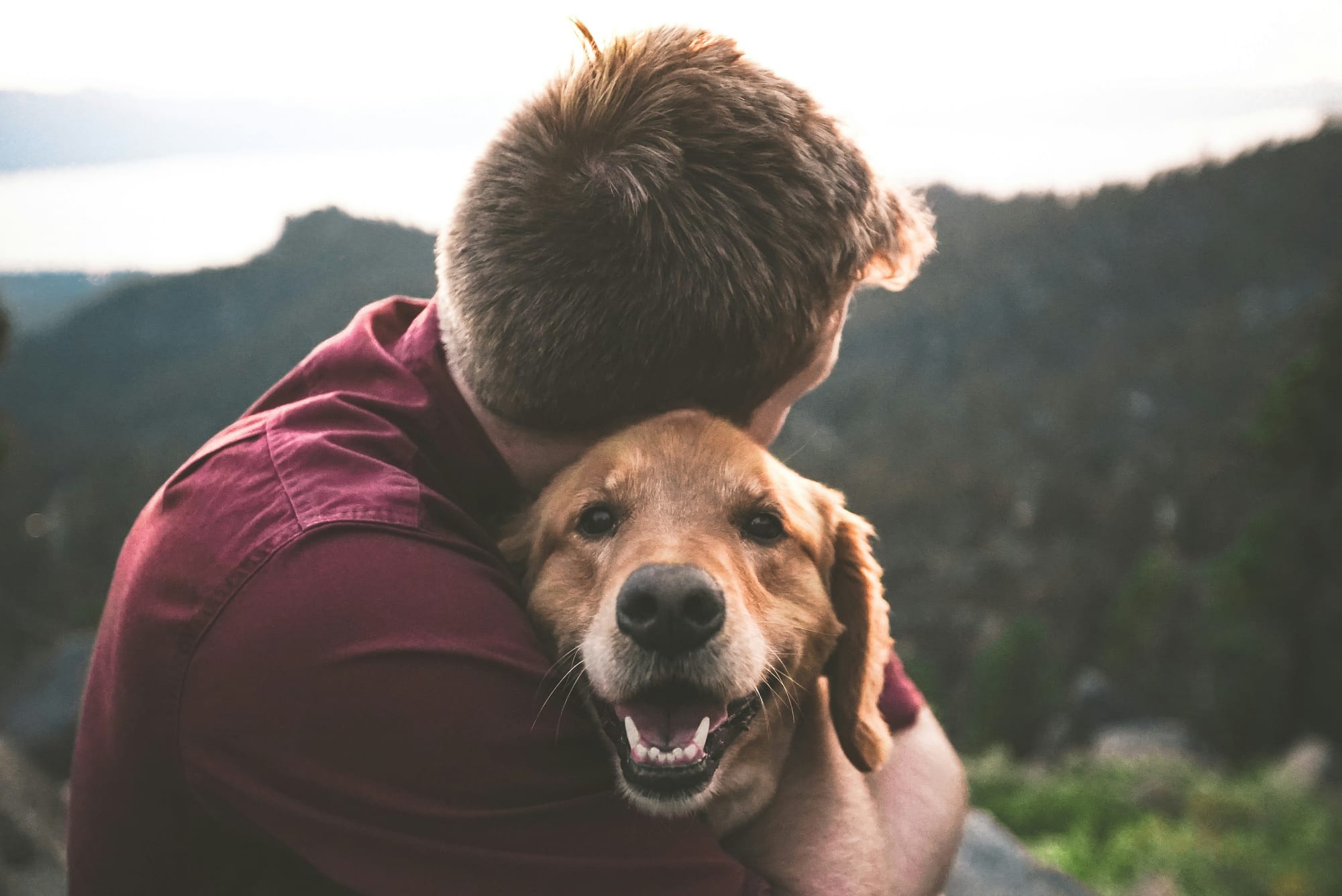
Now we arrive at the heart of the matter: social connection. Dogs are not solitary creatures. They evolved to live in groups, and they have transferred their pack instincts onto their human families. Your dog's happiness is inextricably linked to their relationship with you. They do not simply tolerate your presence. They crave it. They need your attention, your affection, and your engagement. But here is the nuance that many owners miss: it is not just about quantity of time, but quality. Sitting on the couch while scrolling through your phone, with your dog lying beside you, is nice, but it is not the same as actively engaging with them. A few minutes of undivided attention eye contact, gentle words, a belly rub, a game of tug, can fill your dog's emotional cup more than hours of passive proximity. Your dog wants to be seen by you. They want to feel that they matter to you. Every time you look into their eyes, speak to them in a warm tone, or simply place your hand on their chest and feel their heartbeat, you are speaking the language of love that they understand perfectly.
Play is another essential component of this social happiness. Play is not frivolous. It is a profound expression of trust and joy. When your dog bows to you—front legs stretched out, hindquarters in the air, they are inviting you into their world of fun. They are saying, "I trust you completely. Let us share a moment of pure delight." Whether it is a game of fetch, a gentle wrestling session, or a chase around the yard, play releases endorphins in both of you. It strengthens your bond. It allows your dog to express their natural instincts in a safe, joyful way. And it reminds both of you that life, at its best, is simply about having fun together.
There is a quieter form of happiness that is equally important: the happiness of rest. A truly content dog knows how to relax. They know how to sink into a soft bed, stretch out on their side, and let the world fade away. This deep, restful sleep is a sign of profound trust and contentment. A dog who sleeps deeply, who snores softly, who twitches gently while chasing dream-squirrels, is a dog who feels completely safe in their environment. They are not guarding. They are not worrying. They are simply being. Creating an environment where your dog feels able to rest is a gift you give them every single day.
Let us not forget the power of choice. Dogs, like humans, experience joy when they have some control over their lives. A dog who is always forced, always pulled, always directed without being given a say, can become passive and withdrawn. Giving your dog small choices throughout the day choosing which direction to walk, choosing which toy to play with, choosing where to lie down, empowers them. It respects their autonomy. And respect, in any relationship, is a pathway to happiness.
There is also the simple, profound happiness of being included. Your dog does not want to be left behind. They want to be part of your life. When you include them in your daily routines, letting them lie at your feet while you cook, bringing them along on car rides, allowing them to be present during family gatherings—you are telling them that they are family. And being family is the deepest joy a dog can know.
Finally, and perhaps most beautifully, your dog's happiness is found in the smallest, most everyday moments. The joy of a soft hand stroking their ears. The joy of a kind word spoken in a gentle tone. The joy of waking up beside you in the morning. The joy of watching you smile. Your dog does not need grand gestures. They do not need expensive toys or elaborate vacations. They need you. They need your presence, your attention, your patience, and your love. Your dog's happiness is not a destination to be reached. It is a journey you walk together, step by step, day by day, in the quiet, ordinary, extraordinary moments of shared life.
What makes your dog truly happy is not any single thing but a beautiful combination of many elements woven together. It begins with the bedrock of safety and security, knowing that their world is predictable and that you are their protector. It continues with physical well-being—proper nutrition, fresh water, adequate exercise, and regular veterinary care. It expands through mental enrichment, the joy of sniffing, exploring, solving puzzles, and learning new things. It deepens through social connection, the quality time you spend actively engaging with them, the play that makes them feel alive, and the gentle touch that tells them they are loved. It is found in the peace of deep rest, the dignity of choice, and the profound happiness of being included in your life. Above all, your dog's happiness is rooted in you. Your presence, your attention, your patience, and your love are the greatest gifts you can give them. They do not ask for perfection. They do not hold grudges. They simply want to be with you. They want to share your life. And in that shared life, in those quiet moments of connection, happiness is not just something they feel. It is something they are. A happy dog is not a dog who has everything. A happy dog is a dog who has you.