The Hidden Signals of Canine Health: What Your Dog's Habits Are Telling You
Pain, anxiety, and even changes in thyroid function can show up as shifts in sleep
Anyone who shares their home with a dog knows they have a way of making ordinary days better. From the excited greeting at the door to the quiet moments curled up on the sofa, dogs become part of the rhythm of our lives.
I've had Rubi, my Cockapoo, for a good few years now, and I like to think I know her pretty well. But even I've been caught off guard when a small change in her behaviour turned out to mean something more. Dogs can't tell us when something feels off. Instead, they show us, often in ways so subtle we barely notice at first.
That's what I want to talk about today. Those quiet little signals our dogs send us, and what they might mean for their health.
The Morning Routine Tells a Story
Rubi has a fairly predictable morning. She stretches, has a big drink of water, then trots to the back door for a sniff around the garden. If she ever skips that drink or lingers in her bed instead of bouncing up, I pay attention.
A dog who usually races to the door but suddenly holds back might be feeling stiff or sore. It could be something as simple as a bad night's sleep, or it could point to joint discomfort. Either way, it's worth noting.
Changes in Appetite
This one seems obvious, but it's easy to miss when the change is gradual. Maybe your dog leaves a few biscuits in the bowl. Maybe they're hovering near you at dinner time more than usual, or perhaps less.
A drop in appetite can happen for many reasons. Stress, a new routine, hot weather, or an upset tummy. If it lasts more than a day or two, a call to the vet is a sensible move. Rubi once went off her food for two days and it turned out she'd picked up a small bug. Nothing serious, but I was glad I checked.
Sleeping More (or Less)
Dogs sleep a lot. That's normal. But if your dog is suddenly sleeping much more than usual, or seems restless and can't settle at night, that's worth a second look. Pain, anxiety, and even changes in thyroid function can show up as shifts in sleep.
On the flip side, a dog who's pacing or panting at night when they'd usually be snoring might be uncomfortable. I've learned to trust my gut on this one.
Licking, Scratching, and Chewing
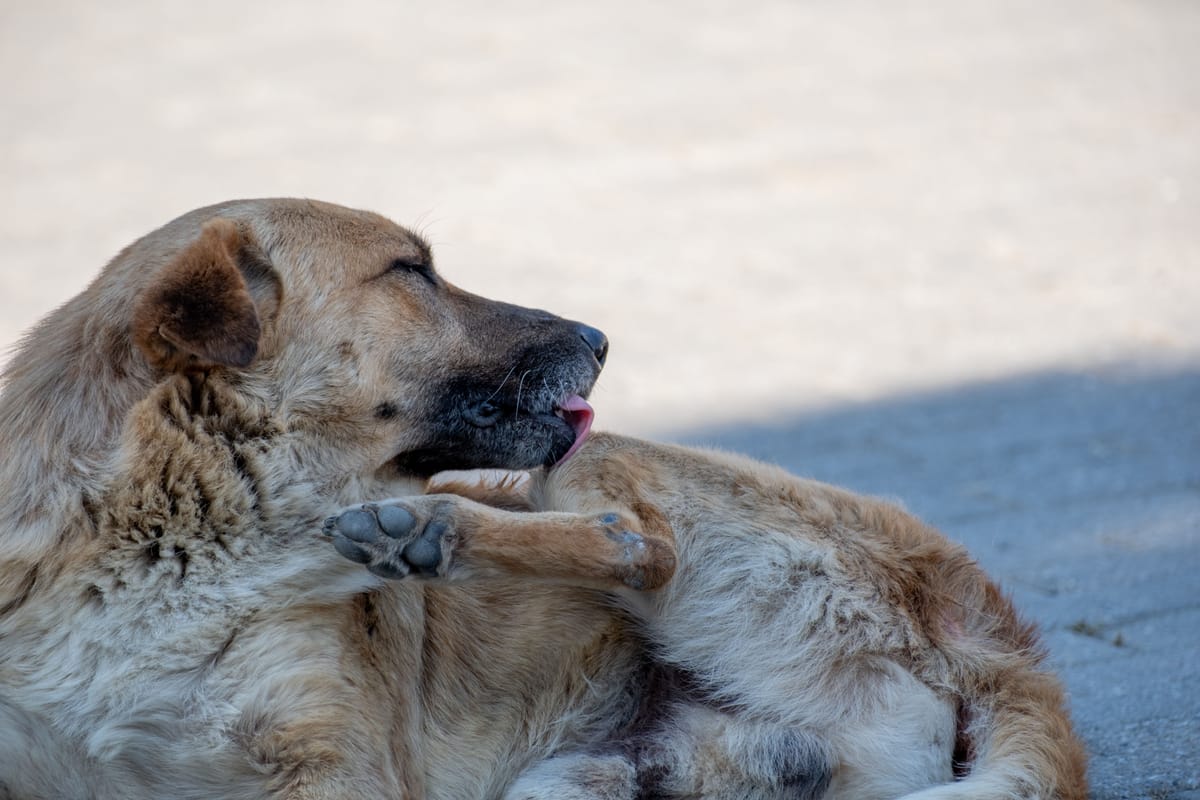
A bit of scratching is normal. But when it becomes constant, or your dog starts licking a specific spot over and over, it's usually a sign of something. Allergies, skin irritation, or even pain in that area.
Rubi went through a phase of licking her paws every evening. I assumed it was a habit. Turns out it was a mild allergy to something in the garden. A quick change in her routine and it settled down.
Changes in Toilet Habits
Nobody loves talking about this one, but it matters. If your dog is asking to go out more often, straining, or having accidents indoors when they're usually reliable, that's a red flag. It can point to urinary issues, digestion problems, or stress.
Keep an eye on the colour and consistency too. I know, not the nicest job in the world, but it tells you a lot.
Withdrawal or Clinginess
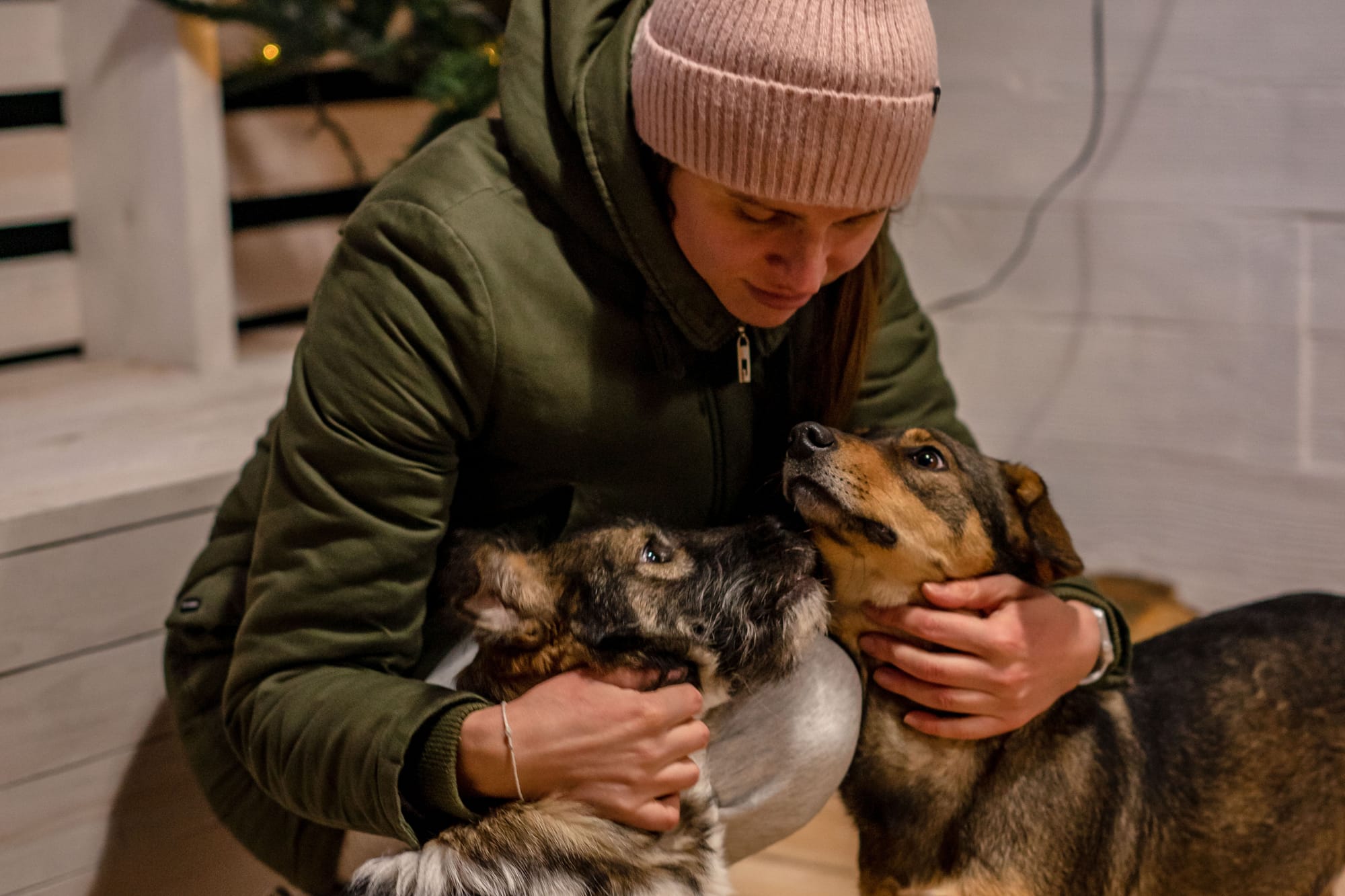
Some dogs get clingy when they're unwell. Others hide away. If your dog suddenly wants to be near you all the time, or disappears under the bed when they'd usually be under your feet, take note. Dogs often seek comfort or solitude when something's not right.
Small Changes Matter
None of this is meant to turn you into a worrier. Most of the time, a small change in behaviour is just that. A small change. Dogs have off days just like we do.
But you know your dog better than anyone. If something feels different, it probably is. Trust that instinct. You don't need to be a vet to notice when your best friend isn't quite themselves.
A Few Things I've Learned
Keep a simple note on your phone if you spot a change. When it started, how long it's lasted, anything else that's different. It's handy if you do end up calling the vet.
Don't wait too long if you're concerned. A quick phone call costs nothing and can put your mind at ease.
And remember, you're not being dramatic. You're being a good dog owner.
A Final Thought
Rubi is curled up next to me as I write this, snoring softly. She has no idea I've been watching her habits all week. But that's the thing, isn't it? Looking out for them is part of the deal. The walks, the cuddles, the muddy paws, and the quiet moments when you notice they're not quite themselves.
Our dogs give us so much. Noticing the little things is one of the kindest things we can give back.