The Science Behind Canine Comedy
Have you ever noticed your dog making a breathy "hhuh-hhah" sound while playing? That's often called a "play pant" and is thought to be a form of doggy laughter ...

Anyone who shares their home with a dog knows they have a way of making ordinary days better. From the excited greeting at the door to the quiet moments curled up on the sofa, dogs become part of the rhythm of our lives. But there’s something else they bring to the table. A lot of laughter.
I can’t count the number of times Rubi has had me in stitches. Whether it’s her dramatic reaction to a cucumber or the way she zoomies around the living room after a bath, she has a real talent for making me giggle. And I know I’m not alone in this.
So what’s actually going on? Is my Cockapoo intentionally being a little comedian, or am I just easily amused?
The Science of the Doggy Gag
It turns out, the question of whether dogs try to make us laugh has caught the attention of researchers. And the answer seems to be a resounding yes, though perhaps not in the way we might think.
Studies have shown that dogs are incredibly perceptive when it comes to our emotions . They can distinguish between happy and angry tones of voice, and they respond more positively to happy sounds . So when you laugh, your dog knows it’s a good thing.
One study used brain scans to look at how dogs’ brains react to different human noises. The part of the brain associated with positive emotions lit up much more when they heard laughter compared to crying . They may not understand the joke, but they definitely understand the joy.
Are They Trying to Be Funny?
The technical answer is that we can’t say for certain whether a dog is deliberately trying to tell a joke . They can’t exactly write a punchline. However, their behaviour shows they are intentionally trying to get a positive reaction from you.
Think about it like this. If your dog grabs a sock and does a victory lap around the coffee table, they’re probably not thinking, "This will be hilarious." Instead, they’re thinking, "This is a brilliant way to get my human's attention." And they’re right. When we laugh, we give them that attention.
Charles Darwin actually noted this behaviour over a century ago, describing a dog that would drop a stick, wait for its owner to reach for it, and then snatch it away and run off in "triumph," seemingly enjoying the practical joke .
The Play Pant: A Doggy Laugh
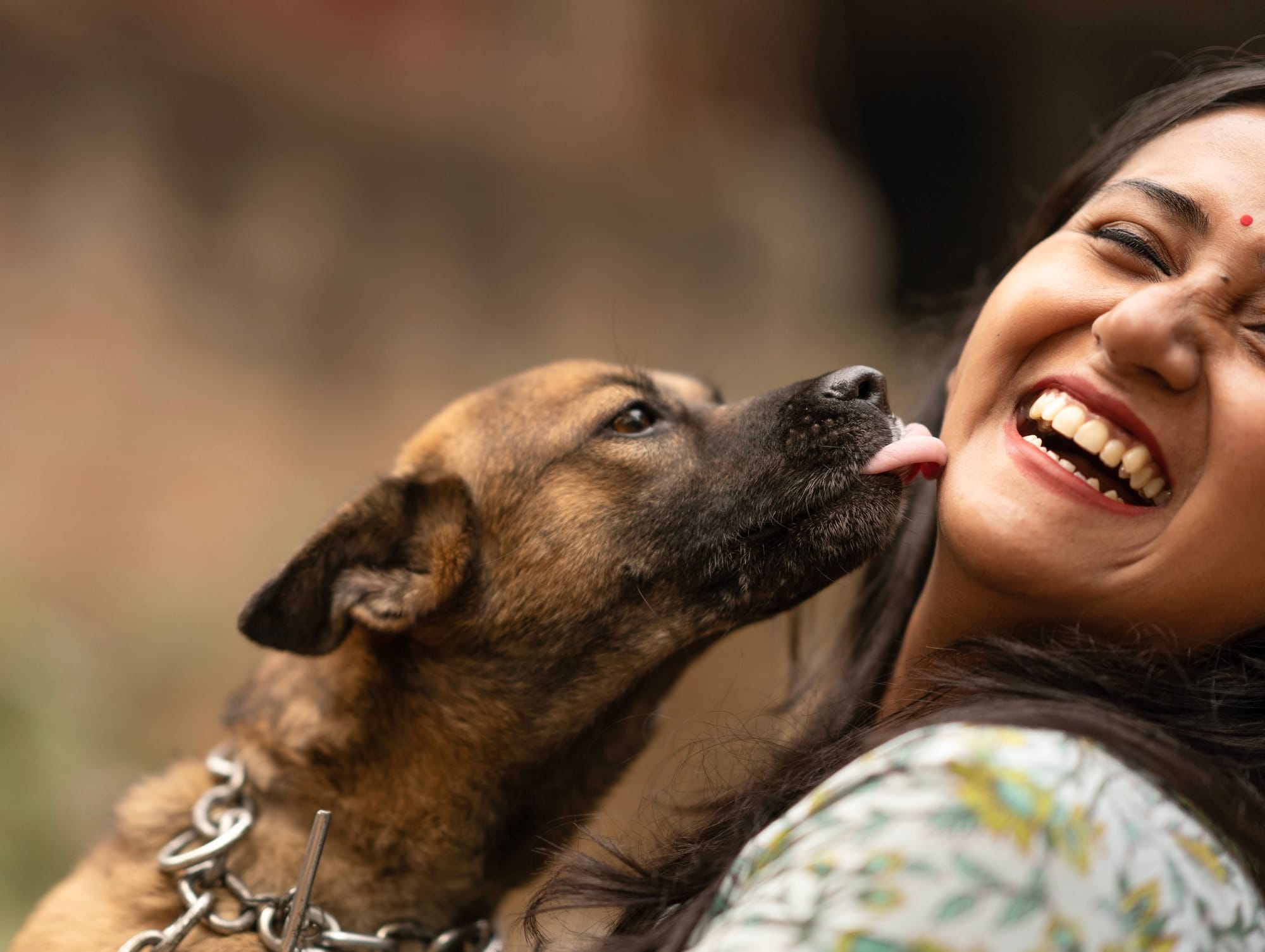
Have you ever noticed your dog making a breathy "hhuh-hhah" sound while playing? That's often called a "play pant" and is thought to be a form of doggy laughter .
Dogs make this sound during play to invite other dogs or humans to join in. It’s a signal that everything is friendly and fun . Interestingly, research has shown that playing a recording of this sound can actually calm other dogs down and reduce stress in shelters . So their version of a laugh is not just fun, it’s functional.
The Laughter Loop
The real magic happens when your laughter meets their antics. Dogs quickly learn that when they do something silly, it makes us happy. And because our happiness often means treats, playtime, or just extra cuddles, they are more likely to repeat that behaviour.
Your laughter reinforces their actions. So they become more playful, and you laugh more. It’s a wonderful, positive feedback loop that strengthens the bond between you. Your dog isn't just a pet; they become a source of daily joy and stress relief .
I see this with Rubi all the time. The more I laugh at her funny little quirks, the more she seems to perform. She’s learned that a happy owner means a happy life, and she’s more than willing to do her part to make that happen.
So, the next time your dog makes you laugh, you’ll know that while they might not have a full comedy routine planned, their intentions are pure gold. They just want to make you happy.
Antes de elegir entre , merece la pena comprobar la correspondencia entre la ficha y el modelo buscado. También ayuda revisar que la descripción no mezcle versiones de temporadas distintas antes de completar el pedido.