What Do Your Dog's Paw Pads Say About Their Health?
Changes in your dog's paw pads can often be the first sign that something's not quite right ...

Have you ever sat and really looked at your dog's paws? I know I have. Usually, it's when Rubi is sprawled across my lap, one leg kicked out in complete relaxation. I'll find myself fiddling with her little toe beans, marvelling at how tough they feel yet how soft they look. It got me thinking about how much those paw pads actually do for our dogs, and what they can tell us about their overall health. They're not just cute; they're a vital part of your dog's daily life.
The Amazing All-Terrain Cushion
First off, let's appreciate what these little pads are. They're basically nature's shock absorbers. When Rubi is racing around the park, jumping off the sofa, or just trotting down the pavement, those pads are protecting her joints and bones from impact.
They also give her incredible traction. I'm sure you've seen your dog put the brakes on when they're running, and those pads help them grip the ground. They provide insulation against hot and cold surfaces too, which is why you'll see dogs lifting their paws in the snow or on a scorching hot day. And of course, they contain scent glands, which is why dogs scratch the ground after they've been to the toilet. It's their way of leaving a little calling card for other dogs to find.
What a Healthy Paw Pad Looks Like
So, what should you be looking for? A healthy paw pad on a dog like Rubi is usually firm and slightly springy to the touch. The colour can vary a lot depending on the dog. Rubi's are mostly black, but some dogs have pink, brown, or even mottled pads. The texture should be smooth, maybe with a few small, superficial cracks from wear and tear. They shouldn't be overly dry, flaky, or painful to touch.
It's a good habit to check your dog's paws regularly. I try to do it every week or so when we're having a cuddle. Just a quick look and feel can help you spot a problem before it becomes serious.
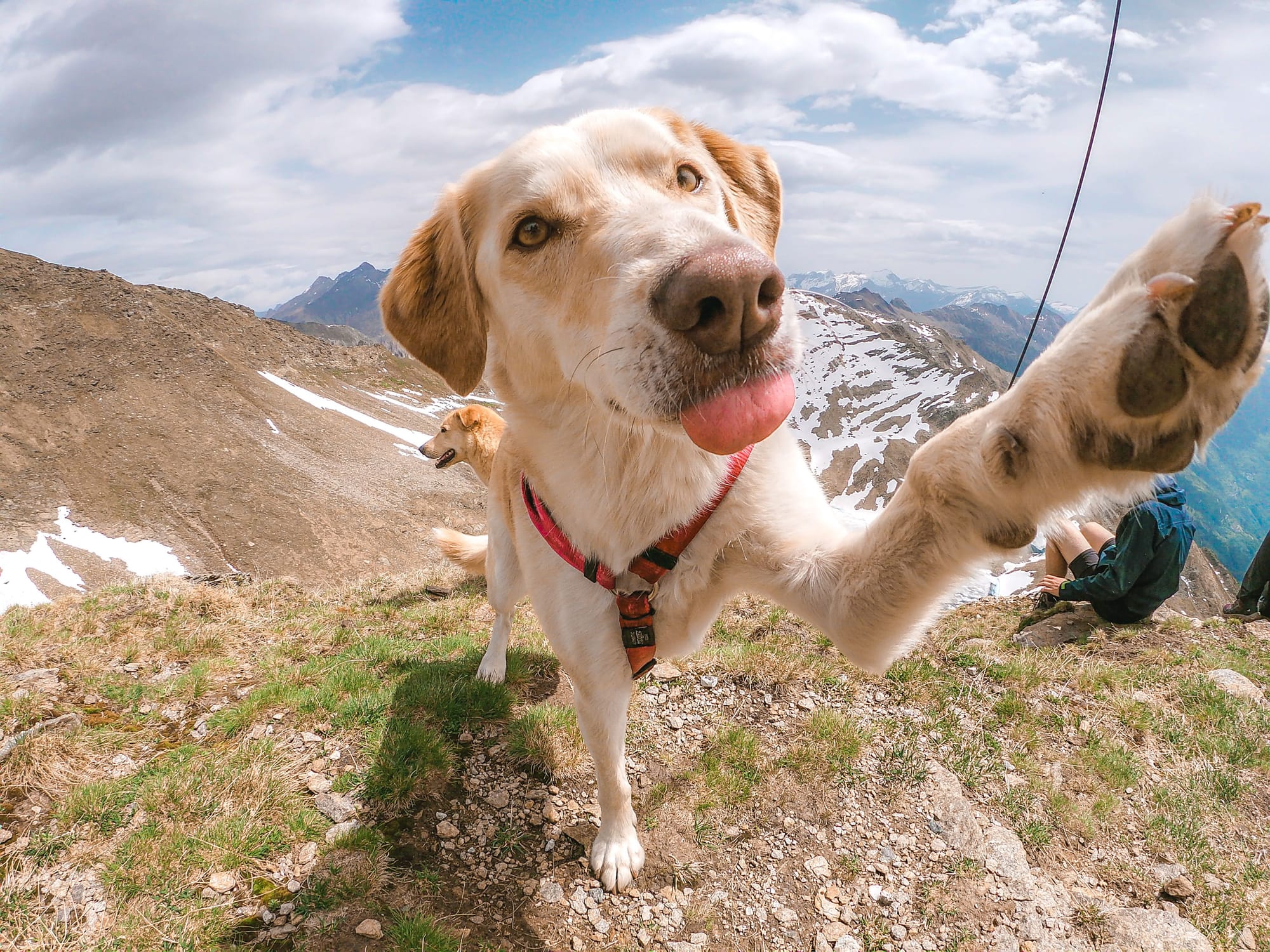
When Paw Pads Signal a Problem
Changes in your dog's paw pads can often be the first sign that something's not quite right. Here are a few things to keep an eye out for.
- Dry, Cracked Pads: This is fairly common, especially in winter when pavements are salted or in summer when the ground is hot. Minor cracking is normal, but deep fissures that look sore or are bleeding need attention. A good paw balm can work wonders here.
- Burns or Blisters: If you've ever walked your dog on a very hot day, you'll know the risk. Their pads can burn just like our feet would. Look for redness, blistering, or your dog licking their paws excessively. A simple test is to hold the back of your hand on the pavement for five seconds. If it's too hot for you, it's too hot for them.
- Cuts and Grazes: Dogs are adventurous, and it's easy for them to step on a sharp stone or piece of glass. A small cut is usually easy to manage at home, but a deep one might need a vet's help.
- Swelling or Redness: This could indicate an infection, an allergy, or a foreign object stuck in the paw, like a thorn. If the pad looks angry and inflamed, it's best to get it checked.
- Peeling or Loss of the Outer Layer: Sometimes, after a burn or an allergic reaction, the top layer of the pad will peel away. The new skin underneath can be very tender, so you'll need to keep your dog off rough surfaces for a bit.
- Changes in Colour or Texture: If you notice a new lump or a change in the colour of a pad, it's always worth mentioning to your vet.
Simple Steps to Keep Paws Happy
Looking after your dog's paws isn't complicated. For a start, be mindful of the surfaces you're walking on. In the summer, stick to grass or shaded paths during the hottest part of the day. In the winter, try to avoid heavily salted areas or wash your dog's paws when you get home.
Keeping the fur between your dog's pads trimmed short can help prevent snow and ice from balling up and causing discomfort. And a good quality paw balm is a great addition to your doggy first aid kit. I use one on Rubi's paws before a long walk in harsh weather.
Finally, make paw checks a normal part of your routine. It's a lovely, gentle way to bond with your dog while making sure they're comfortable and healthy. It’s just another small way we can show them how much we care.