What Happens in a Dog's Brain When They Sleep, and Why It Matters
A well rested dog is a happier dog. Sleep helps with mood, memory, and even the immune system. Dogs who ...
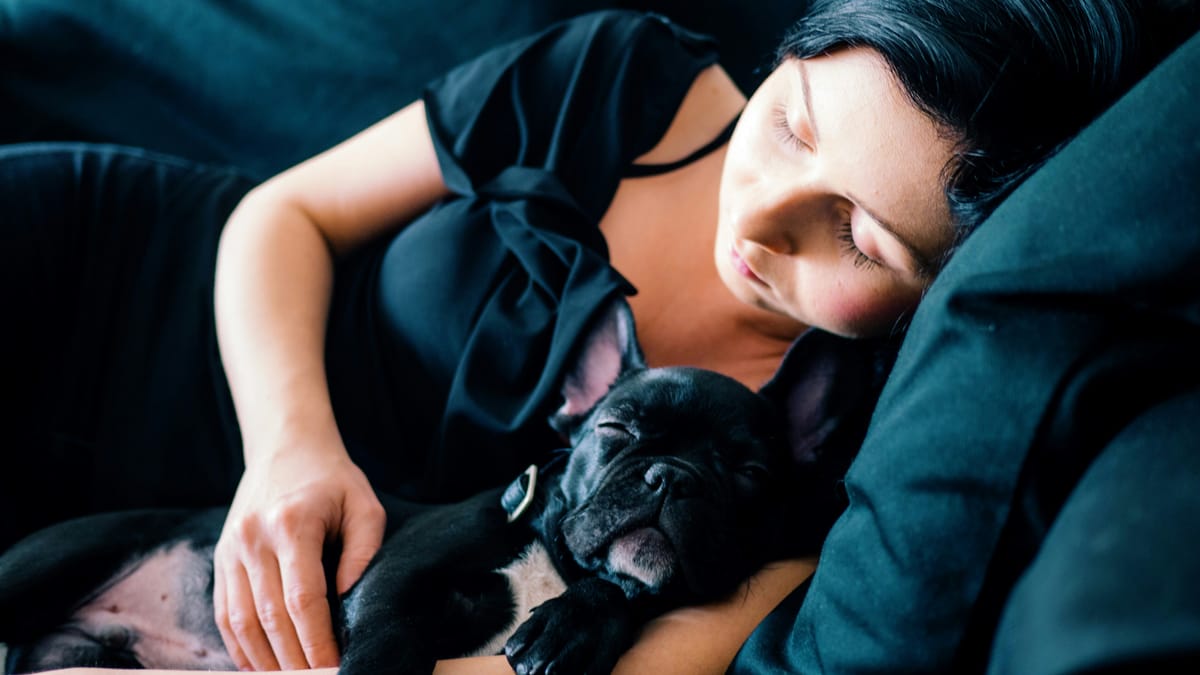
Have you ever watched your dog twitching, paddling their paws, or letting out a tiny muffled woof in the middle of a nap? I see it with Rubi most evenings. She'll be flat out on the sofa, legs going like she's chasing something, and I can't help but wonder what's actually going on in that fluffy head of hers.
It turns out, quite a lot.
Dogs Dream Just Like We Do
If you've ever watched a sleeping dog, you've probably noticed their eyes moving behind closed lids. That's a sign they've reached REM sleep, the stage where dreaming happens. Researchers have found that dogs experience brain activity during sleep that looks very similar to what happens in humans when we dream.
So when Rubi's paws start twitching, she's likely running through a field or chasing a ball in her sleep. It's a lovely thought, isn't it?
A Dog's Sleep Cycle Explained
Dogs move through the same sleep stages we do, just on a different timetable. They fall into light sleep first, then drift into deep sleep, and finally into REM. A full cycle usually takes around 20 minutes for a dog, compared to roughly 90 minutes for us.
Puppies and older dogs tend to spend more time in deep sleep, which is when the body repairs itself and grows. That's why you'll often see young dogs sleeping more than adult ones. Their brains and bodies are working hard, even when they look completely relaxed.
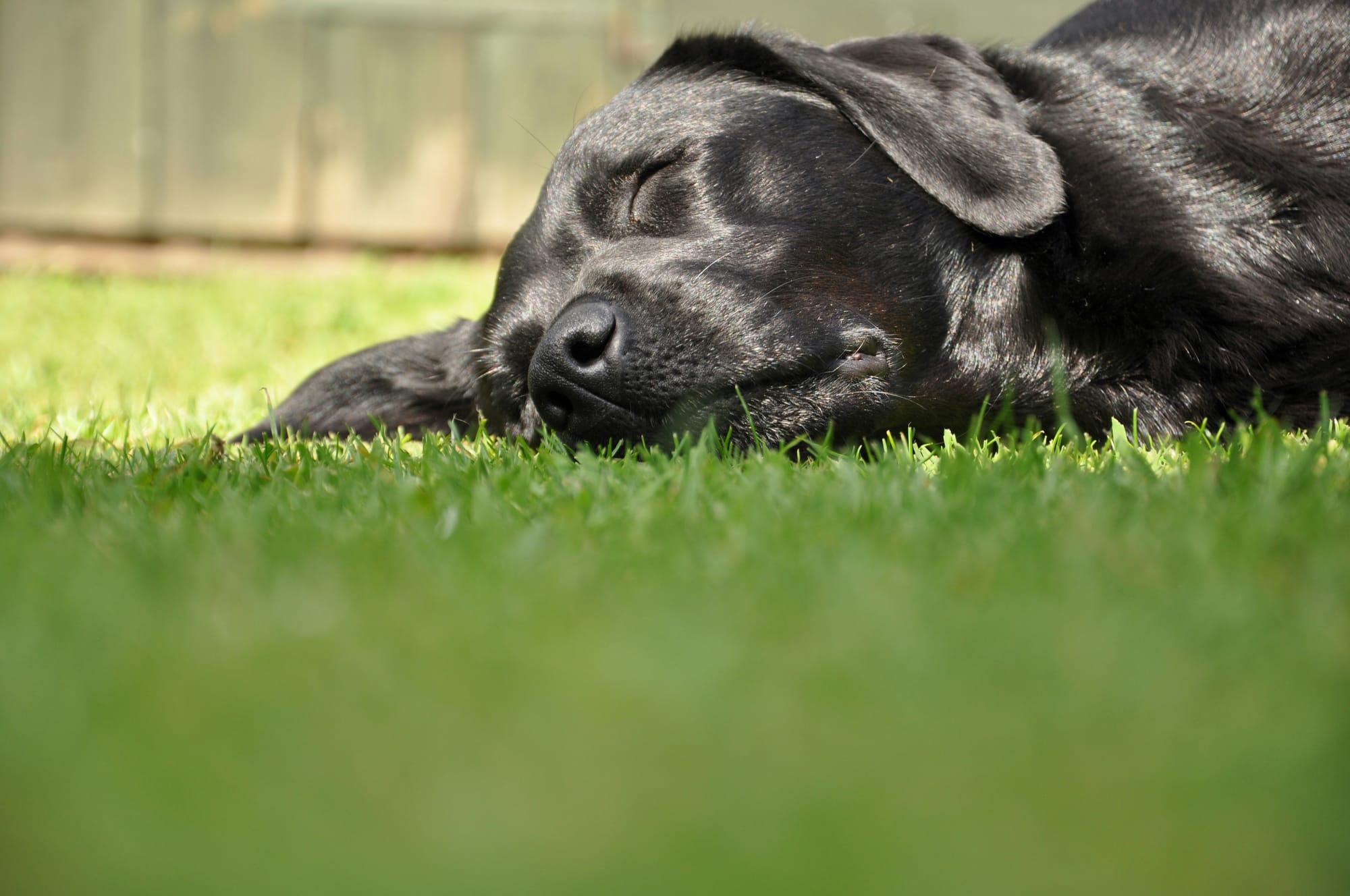
What's Happening in the Brain During Sleep
During deep sleep, a dog's brain is busy consolidating memories. Think of it as filing away the day's experiences. That new route you walked, the neighbour's cat they met, the treat they found under the table. All of it gets processed and stored while they snooze.
REM sleep is when the brain becomes more active. This is where learning and emotional processing happen. A dog who had a stressful day at the vet might work through some of that while dreaming. It's one of the reasons sleep is so important for their wellbeing.
Why Sleep Matters for Your Dog's Health
A well rested dog is a happier dog. Sleep helps with mood, memory, and even the immune system. Dogs who don't get enough quality sleep can become irritable, anxious, or overly reactive. Rubi gets a bit grumpy if her nap routine gets disrupted, and I've learned to respect her quiet time.
Most adult dogs need between 12 and 14 hours of sleep a day. Puppies, senior dogs, and certain breeds need even more. If your dog is sleeping a lot, that's usually completely normal.
Signs Your Dog Is Sleeping Well
You'll know your dog is getting good rest if they:
- Settle quickly when they lie down
- Twitch or paddle their paws during sleep (a sign of dreaming)
- Wake up alert and ready for the day
- Have a consistent sleep routine
If your dog seems restless, wakes frequently, or struggles to settle, it might be worth chatting with your vet. Sometimes small changes to their environment can make a big difference.
A Few Tips to Help Your Dog Sleep Better
Create a comfortable, quiet spot for your dog to rest. A cosy bed away from busy areas works well. Keep a consistent routine so they know when to wind down. And don't forget that a good walk and some mental stimulation during the day helps them sleep more soundly at night.
Watching Rubi sleep is one of my favourite things. She looks so peaceful, and knowing her brain is busy processing her day makes those little twitches and sleepy woofs even more endearing. Dogs really are remarkable creatures, even when they're fast asleep.