What Happens in Your Dog's Brain When You Talk to Them?
When dogs heard praise spoken in an enthusiastic tone, their brain's reward centres lit up. The same thing happened when they heard neutral words ...
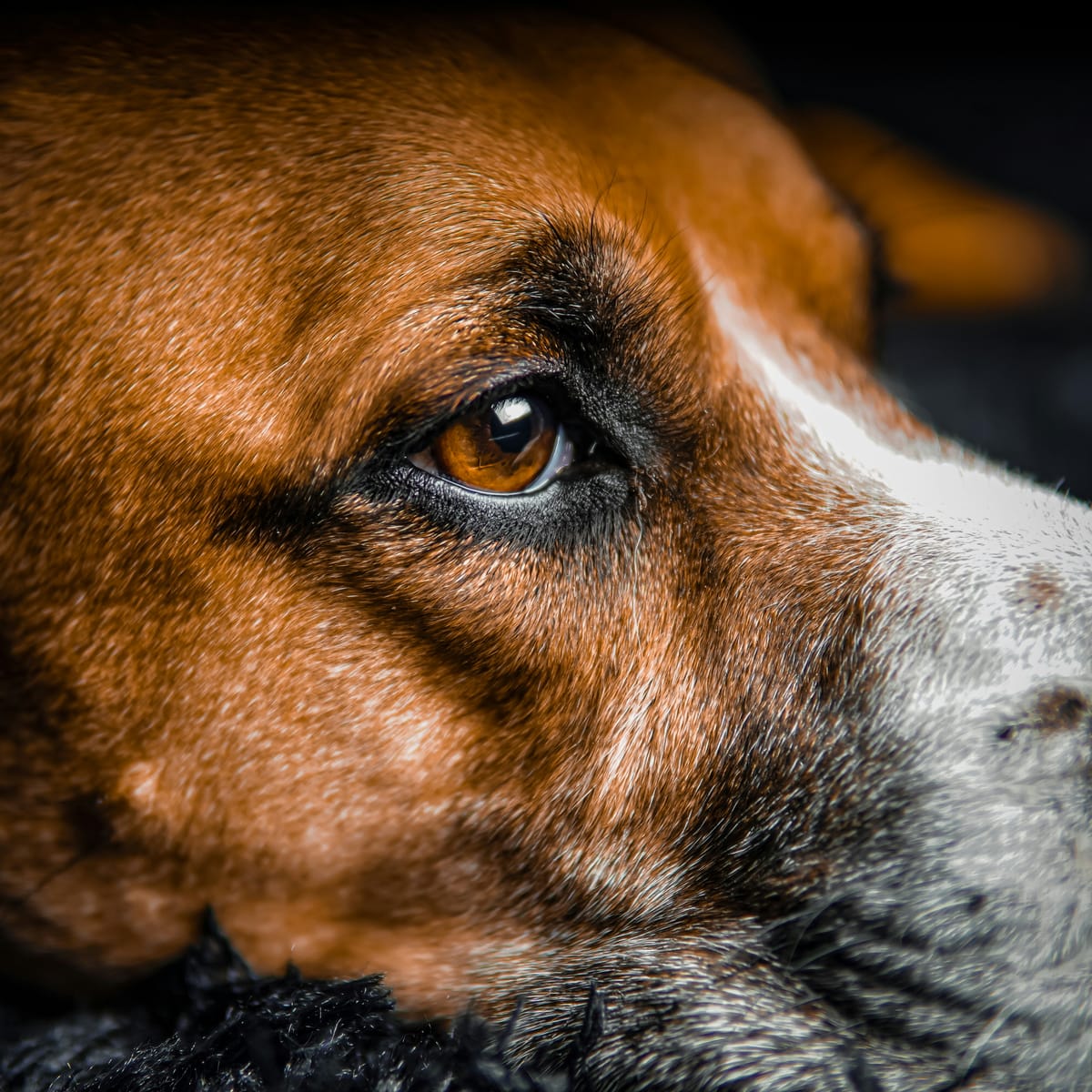
Anyone who shares their home with a dog knows they have a way of making ordinary days better. From the excited greeting at the door to the quiet moments curled up on the sofa, dogs become part of the rhythm of our lives. And I don't know about you, but I chat away to Rubi constantly. She gets a running commentary on everything from the kettle boiling to what we're having for tea.
I've often wondered what's actually going on in that fluffy head of hers when I'm nattering away. Does she understand me? Is she just humouring me? As it turns out, there's some genuinely fascinating science behind what happens in a dog's brain when we talk to them, and it's made me feel a lot better about our one-sided conversations.
Dogs Really Do Listen to How We Say Things
Here's something lovely. Research has shown that dogs process speech in a similar way to humans. They pay attention to both what we say and how we say it. When you praise Rubi in that silly high-pitched voice, she's not just hearing noise. She's picking up on the tone and the words separately, then combining them.
I tested this recently. I said "good girl" to Rubi in my most enthusiastic voice and got a wagging tail and a happy little bum wiggle. Then I tried the same words in a flat, bored tone. She tilted her head, gave me a look, and wandered off to her bed. Point made, I think.
That Special Voice Has a Purpose
You know the voice I mean. The one that's a bit higher, a bit slower, and probably a bit embarrassing if anyone else hears it. It turns out this isn't just us being soppy. Dogs respond better to it.
Studies have found that dogs prefer this kind of speech, and it actually helps them pay attention. Puppies especially respond to it, which makes sense when you think about how we'd talk to a baby. So next time you're cooing at your dog in the kitchen, know that you're not daft. You're actually communicating in a way that works for them.
The Brain Scans Tell an Interesting Story
Scientists have put dogs in MRI scanners to see what happens in their brains when they hear different types of speech. I know, I can't imagine Rubi sitting still for that either. But the results are brilliant.
When dogs heard praise spoken in an enthusiastic tone, their brain's reward centres lit up. The same thing happened when they heard neutral words in a praising tone, though not quite as strongly. What's really interesting is that the reward response was strongest when both the words and the tone were positive. So they're not just reacting to our tone. They're actually processing the meaning too.
That means when you tell your dog they're a good boy or girl, and you mean it, their brain responds in a way that suggests they find it rewarding. How lovely is that?
They're Watching More Than They're Hearing
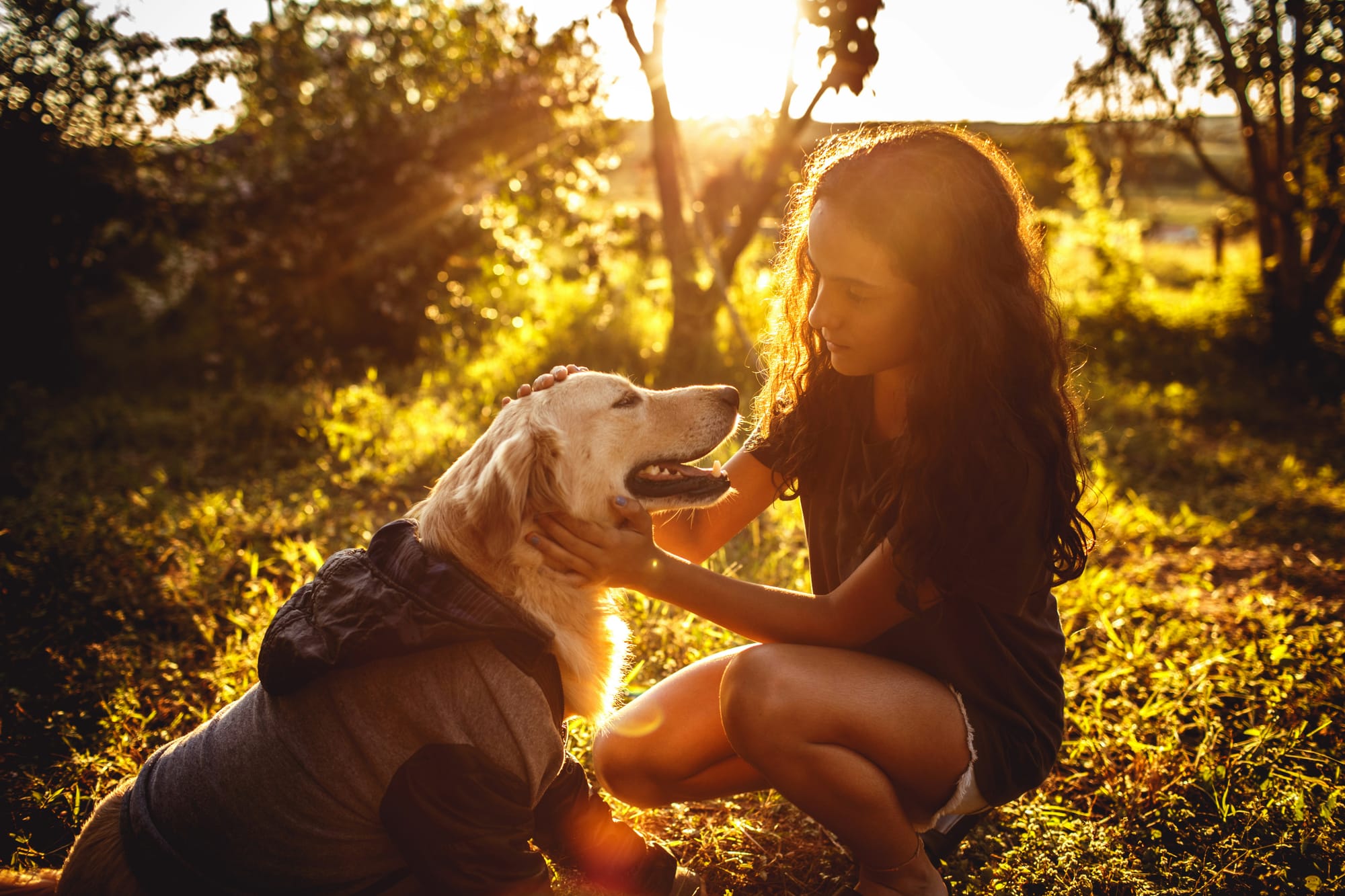
Dogs are masters at reading us. When you talk to your dog, they're not just listening to your words. They're watching your face, your body language, and your gestures. Rubi knows the difference between me saying "walk" casually and me saying "walk" while reaching for her lead. Same word, very different response.
This is why talking to your dog while looking at them and using natural gestures seems to help. They're taking in the whole picture, not just the sound of your voice.
What About Hand Signals?
Here's something I've noticed with Rubi. She often responds better to a hand signal than a spoken command. There's a reason for that. Dogs are incredibly tuned in to visual cues, and many pick up on body language faster than words.
That said, using both together works brilliantly. I say "sit" and pair it with the hand movement, and she's down before I've finished the word. The combination seems to reinforce the message.
Why This Matters for Everyday Life
Understanding a bit about how your dog's brain works when you talk to them can make daily life easier and more enjoyable. It explains why your dog might ignore you when you're distracted or mumbling, and why they hang on your every word when you're excited and engaged.
It also means those chats you have with your dog aren't pointless. They're building connection, and your dog is likely picking up more than you realise. Rubi certainly seems to know when I'm talking to her versus when I'm on the phone. She'll ignore the latter completely and give me her full attention for the former.
A Few Simple Tips
Talk to your dog often. It doesn't matter what about. The sound of your voice is part of your bond.
Use that happy, friendly tone when you're praising them. It genuinely helps them understand and enjoy the moment.
Pair your words with gestures where you can. Pointing, patting the sofa, or using a hand signal for "sit" all help your dog understand what you're asking.
Watch your dog's response. If they're looking away or seem disinterested, they might be tired or distracted. Try again later.
Be consistent with the words you use for commands. It makes things clearer for everyone.
The Lovely Truth
The more I learn about dogs, the more I appreciate how much they're doing when they're just being with us. Rubi isn't just sitting there while I waffle on about my day. She's listening, watching, and responding in her own quiet way. And when I see her ears prick up at the sound of her name, or her head tilt when I ask if she wants a treat, I know we're properly communicating.
So keep talking to your dog. Those one-sided conversations aren't one-sided at all.