What My Cockapoo Taught Me About Dog Talents (It’s Not Just Tricks)
From the excited greeting at the door to the quiet moments curled up on the sofa, dogs become part of the rhythm of our lives ...
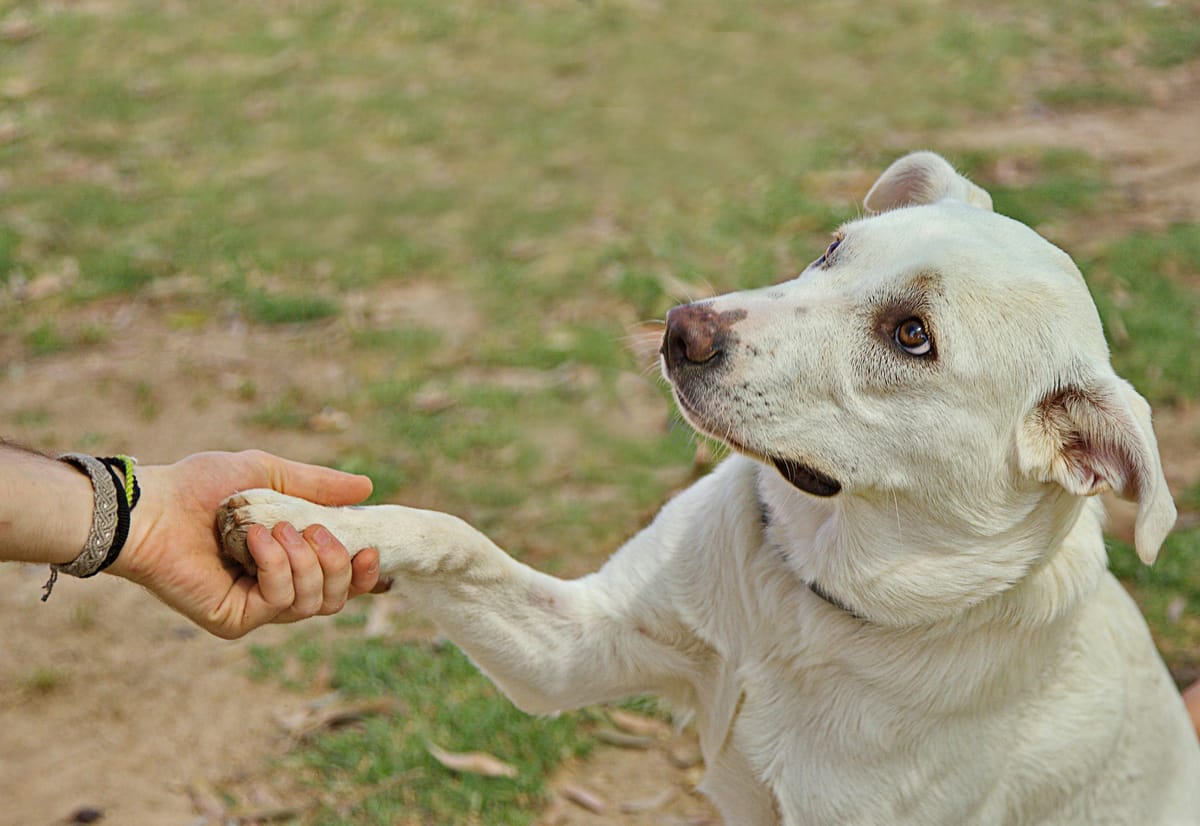
Anyone who shares their home with a dog knows they have a way of making ordinary days better. From the excited greeting at the door to the quiet moments curled up on the sofa, dogs become part of the rhythm of our lives. My Cockapoo, Rubi, is no exception. She’s got the usual fluffy ears, the waggy tail, and that signature Cockapoo bounce. But over the last few years, she’s taught me something unexpected about dog talents. I used to think a talented dog was one who could roll over, play dead, or fetch your slippers. Rubi has shown me that the real talents aren’t always the ones you can teach.
The Day I Stopped Looking for Tricks
When Rubi was a puppy, I’ll admit I got a little excited. I watched every training video I could find. I bought a clicker. I had a little treat pouch that made me feel like a proper dog trainer. We worked on “sit,” “paw,” and “down.” She learned them, sort of. But here’s the thing. Rubi has never been what you’d call a natural performer. Ask her to roll over and she’ll look at you like you’ve asked her to solve a maths problem. For a while, I worried I was doing something wrong.
Then one afternoon, I was feeling really low. A long week, too much rain, and that heavy feeling you can’t quite shake. Rubi didn’t do a trick. She didn’t bring me a toy or bark for attention. She simply walked over, rested her chin on my knee, and stayed there. No fuss. No wiggling. Just presence. That was the moment I realised I’d been looking at talent all wrong.
The Talent of Reading a Room
Dogs have an incredible ability to sense our emotions. But Rubi takes this to another level. She knows the difference between me being busy (don’t bother me) and me being stressed (please bother me). When I’m rushing around trying to pack a suitcase or meet a deadline, she stays out of the way. She’ll lie on her bed and just watch. But when I’m anxious or sad, she appears at my side like a little shadow.
That’s a real talent. You can’t train a dog to understand the nuance of human emotion. They either have that sensitivity or they don’t. Rubi has it in spades. She’s taught me that being talented isn’t about performing on cue. It’s about knowing when someone needs you.
The Quiet Genius of Everyday Communication
Rubi can’t talk, but goodness me, she communicates. She has a specific scratch for “my water bowl is empty.” She has a stare for “I can see a squirrel through the window.” And there’s a little huff she does when she’s disappointed, usually if I say “not now” to a walk. I didn’t teach her any of this. She figured it out herself.
I think we underestimate how clever that is. Dogs build their own language with us over time. It’s a shared system of looks, tail wags, and tiny movements. Rubi has taught me to pay attention. To notice the small signals. That kind of talent isn’t flashy, but it’s the reason we understand each other so well.
Patience as a Hidden Superpower
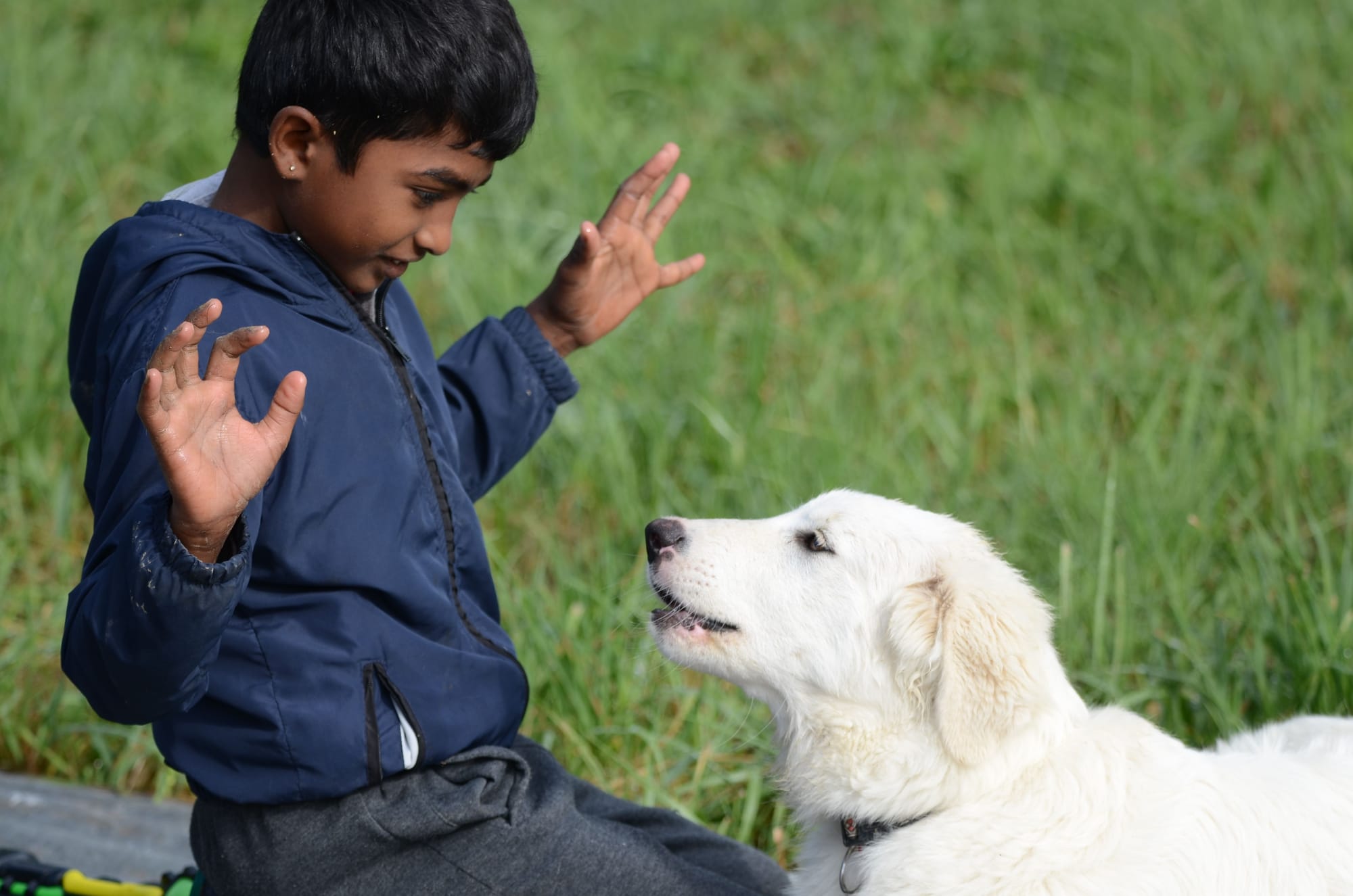
Let me be honest. I’m not the most patient person. I like things to happen quickly. Rubi has helped me slow down. Her talent isn’t just in what she does, but in what she doesn’t do. She can wait by the back door for ten minutes just watching a pigeon. She can sit in the garden and do nothing except feel the sun. That sounds simple, but think about how hard it is for us to just be still.
She’s taught me that there’s talent in stillness. In observation. In knowing when not to act. We spend so much time teaching dogs to “do” things, but Rubi reminds me daily that just being present is a skill worth having.
What This Means for You and Your Dog
If you’ve got a dog who isn’t the star of obedience class, please don’t worry. Your dog has talents. They might be hiding in plain sight. Watch for the way your dog checks on you when you’re quiet. Notice how they’ve learned your routines, your moods, your funny little habits. That’s talent. Real talent.
Here’s what Rubi has taught me to look for instead of tricks:
- Emotional sensitivity – does your dog know when you need comfort?
- Creative communication – have they invented their own signals for things?
- Patience – can they simply be with you without needing anything?
- Adaptability – do they read different situations and respond accordingly?
A Warm Final Thought
These days, I don’t worry that Rubi can’t do a perfect “weave” between my legs. She has her own kind of genius. Every morning she greets me like I’m the best part of her day. Every evening she curls up next to me like there’s nowhere else she’d rather be. If that isn’t talent, I don’t know what is.
So next time you’re watching your dog, look past the tricks. Look at the way they fit into your life. The way they make you feel seen. That’s the talent that matters. And honestly, no amount of clicker training can teach it.
Al considerar , la decisión resulta más sencilla cuando se confirma la temporada, el diseño y los detalles visibles. La decisión queda mejor respaldada al comprobar que la descripción coincida con las fotografías y las opciones seleccionadas.