What's Happening in Your Dog's Brain When You Talk to Them?
Dogs are masters at reading our voices. A cheerful, high-pitched tone usually means something good is coming. A sharp, low tone ...

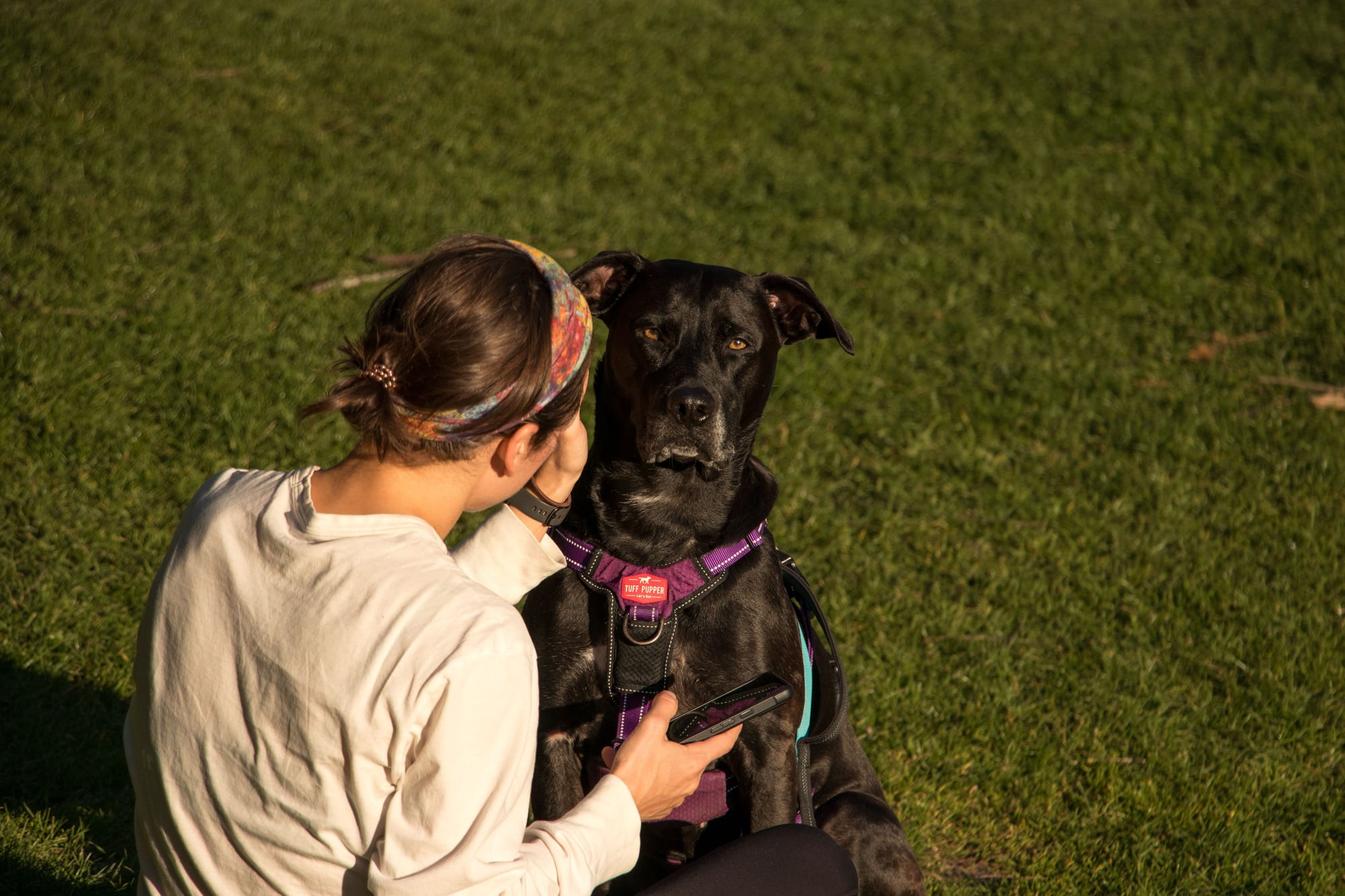
Have you ever wondered what's going on inside your dog's head when you chat away to them? I know I have. Rubi, my Cockapoo, tilts her head whenever I ask if she wants a walk. She seems to hang on every word. But is she actually understanding me, or just reacting to my tone?
The truth is, there's some fascinating science behind those moments. Let's look at what researchers have found about how dogs process human speech.
Dogs Are Listening More Than You Think
A study from Emory University used brain scans on dogs and found something quite lovely. Dogs process words and tone separately in their brains. The left side handles meaning, while the right side handles emotion. That means your dog is picking up on both what you say and how you say it.
When you praise your dog with a happy voice and actual praise words, their reward centre lights up. That's the same part of the brain that responds to food or a favourite toy. So next time you tell Rubi she's a good girl, she really is feeling that warmth.
Why Tone Matters So Much
Dogs are masters at reading our voices. A cheerful, high-pitched tone usually means something good is coming. A sharp, low tone might signal trouble. I've noticed Rubi responds completely differently depending on how I speak, even if the words are the same.
Try saying "sit" in a sing-song voice versus a firm one. You'll likely see two different reactions. That's because your dog is tuned into your emotional state. They've evolved alongside us for thousands of years, learning to pick up on the tiniest cues.
The Special Way Dogs Hear Us
Here's something amazing. Dogs seem to process human speech in a way that's similar to how babies do. They pay attention to the melody of our voices first, then start picking out familiar words. That's why short, consistent commands work so well. Words like "walk", "treat", and their name become signals they recognise instantly.
Rubi knows the word "squirrel" better than almost anything else. Her ears prick up and she's at the window in seconds. It's not just the sound. It's the association she's built over time.
What About Hand Signals?
Dogs are brilliant at reading body language too. In fact, many respond better to hand signals than words alone. That's because they're visual animals. A raised hand for "stay" or a pat on the leg for "come" can be clearer than a spoken command, especially in noisy places.
Combining words with gestures helps your dog understand faster. I always point at the floor when I ask Rubi to lie down. She gets it every time.
Tail Wags and What They Tell Us
You might have heard that a wagging tail always means a happy dog. That's not quite true. The direction and speed of the wag can tell you a lot. A wag more to the right often means positive feelings. A wag to the left might signal uncertainty or worry.
Rubi does a full-body wiggle when I come home. That's pure joy. But a stiff, high wag around an unfamiliar dog means she's on alert. Learning to read these signals helps me keep her comfortable.
Practical Ways to Talk to Your Dog
- Use a warm, encouraging tone for praise and training.
- Keep commands short and consistent.
- Pair words with hand signals.
- Watch your dog's body language to see what's working.
- Be patient. Every dog learns at their own pace.
- Talk to them often. They're listening more than we realise.
A Little Chat Goes a Long Way
Talking to your dog isn't just about training. It's about connection. The sound of your voice is comforting to them. Whether you're chatting about your day or asking if they want a biscuit, those moments build trust and strengthen your bond.
Rubi doesn't understand every word I say. But she knows when I'm happy, when I'm sad, and when I'm talking just to her. That's a special kind of understanding. And honestly, it's one of the best parts of sharing my life with a dog.
So keep chatting. Your dog is listening, and they love the sound of your voice.