Why Dogs Hide Pain and Discomfort: What Every Dog Lover Should Know
You might notice a change in how they walk, even if it's subtle. Stiffness after rest, reluctance to jump onto the sofa ...

I'll never forget the day Rubi hurt her paw. We were out on our usual afternoon walk, sniffing every blade of grass as Cockapoos do, when she suddenly stopped. She didn't whimper. She didn't limp dramatically or look up at me with big, pleading eyes. She just stood there for a moment, then carried on as if nothing had happened. It wasn't until we got home and I noticed her licking the same spot over and over that I realised something was wrong.
That's the thing about dogs. They're incredibly good at hiding when they're hurting. It's a trait that's served them well in the wild, but it can make life tricky for those of us who just want to look after them.
Why Do Dogs Hide Their Pain?
Dogs are descended from animals that lived in groups. In those environments, showing weakness could mean being pushed out or targeted by predators. Even though our pampered pooches now sleep on memory foam beds and get treats for simply being cute, that instinct is still deeply ingrained.
There's also a social element. A dog who seems fine is less likely to be challenged by others in the pack. Hiding discomfort helped them stay safe and keep their place in the group. It's not something they consciously decide to do. It's just part of who they are.
The Subtle Signs We Might Miss
Because dogs don't often cry out or make a fuss, we have to become detectives. Changes in behaviour are usually the first clue. Maybe your dog is sleeping more than usual. Perhaps they're not greeting you at the door with the same enthusiasm. Small shifts can mean a lot.
Rubi, for example, gets quiet when something's bothering her. She'll still wag her tail and follow me around, but there's a softness to her that I've learned to recognise. Other dogs might become clingy or, conversely, want to be left alone. Some go off their food. Others might pant more than usual, even when it's not warm.
Physical Signs to Watch For
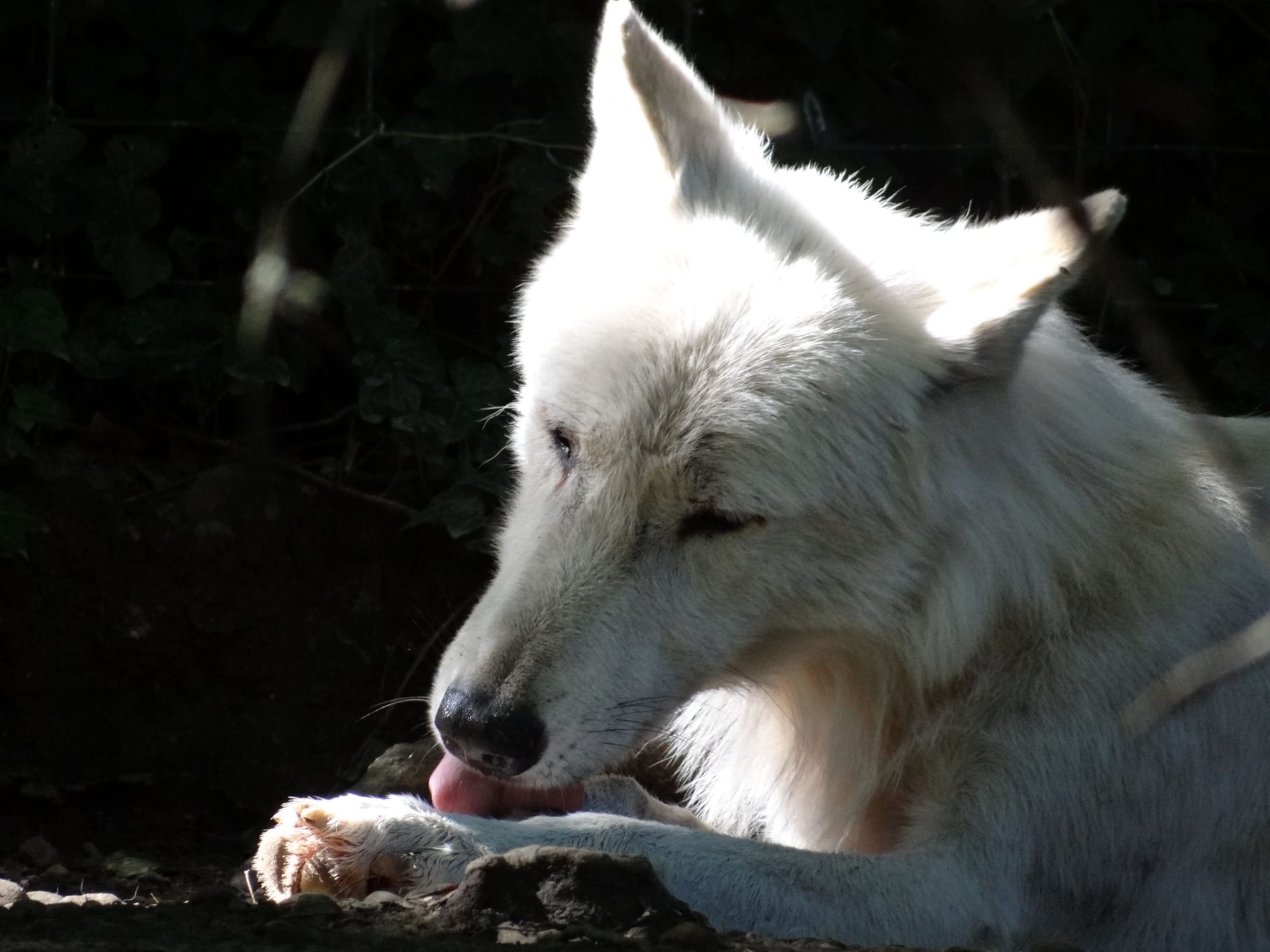
Beyond behaviour, there are physical hints. A dog with sore hips might struggle to get up from lying down. One with a sore paw might lick it constantly. You might notice a change in how they walk, even if it's subtle. Stiffness after rest, reluctance to jump onto the sofa, or a new hesitation on stairs can all point to discomfort.
It's worth paying attention to their grooming habits too. Dogs who are hurting sometimes stop grooming themselves properly. Others over-groom a specific area.
Why It Matters
The trouble with hidden pain is that it often goes untreated for longer than it should. A dog might adjust their posture or movement to compensate, which can lead to other problems over time. By the time we notice something obvious, they may have been struggling for a while.
That's why it's so important to know your dog's normal. What do they do every day? How do they move? What's their usual energy level? When you know their baseline, you're much more likely to spot when something's off.
What You Can Do
Trust your instincts. If you feel something isn't right, you're probably correct. Keep a note of any changes you've noticed, even small ones. When you speak to your vet, those details can be really helpful.
Regular check-ups are a good idea too. Vets can often pick up on things we might miss. And if you ever suspect your dog is in pain, don't wait. It's always better to get them seen sooner rather than later.
A Few Things I've Learned with Rubi
I've become a bit of a worrier since getting Rubi. I notice every little thing. But I've also learned to trust her. She tells me what I need to know in her own way. It might be a look, a change in her usual routine, or the way she holds herself. My job is to pay attention.
Dogs give us so much. They greet us like we're the best thing since sliced bread, they make us laugh, and they curl up beside us when we're having a rubbish day. The least we can do is learn to read the quiet signals they send when something's not right.
They might not whine or complain, but that doesn't mean they're not hurting. It just means they need us to be a little more observant.