Why Dogs Pull on the Leash And How to Stop It Without the Drama
When your dog pulls and you keep walking, they learn that pulling works. The walk carries on ...

If there's one thing I've learned from walking Rubi, it's that a loose lead can feel like a distant dream some days. My Cockapoo has a nose that leads her straight into every hedge, gateway and interesting patch of grass we pass. And honestly? I get it. The world is exciting when you're a dog.
But walking should be enjoyable for both of you. So here's what's really going on when your dog pulls, and some gentle ways to make walks calmer for everyone.
Your Dog Isn't Being Naughty
This was a lightbulb moment for me. Pulling usually isn't stubbornness or bad manners. Dogs naturally move faster than we do, and when something interesting is ahead, their legs speed up before their brain catches up. Add a bit of excitement or curiosity and you've got a dog who's basically saying "come on, let's go!" with their whole body.
Rubi pulls hardest when we're heading to the park. Same route, same time, and she still acts like she's never seen it before. That's anticipation, not disobedience.
The Pulling Cycle
Here's the tricky part. When your dog pulls and you keep walking, they learn that pulling works. The walk carries on, the interesting thing gets closer, and the behaviour gets repeated. It's not that they're plotting against you. They've simply found out what gets results.
Breaking that cycle means changing what happens next. It takes patience, and I won't pretend it happens overnight.
Start With the Right Kit
A well fitted harness can make a real difference, especially for dogs who pull hard. A front clip harness gently turns your dog towards you when they pull, which naturally slows them down. I'd avoid extending leads for training. It's much easier to teach a loose lead when the lead length stays the same.
Treats matter too. Small, smelly ones work best. Rubi will do almost anything for a bit of cheese.
Reward the Behaviour You Want
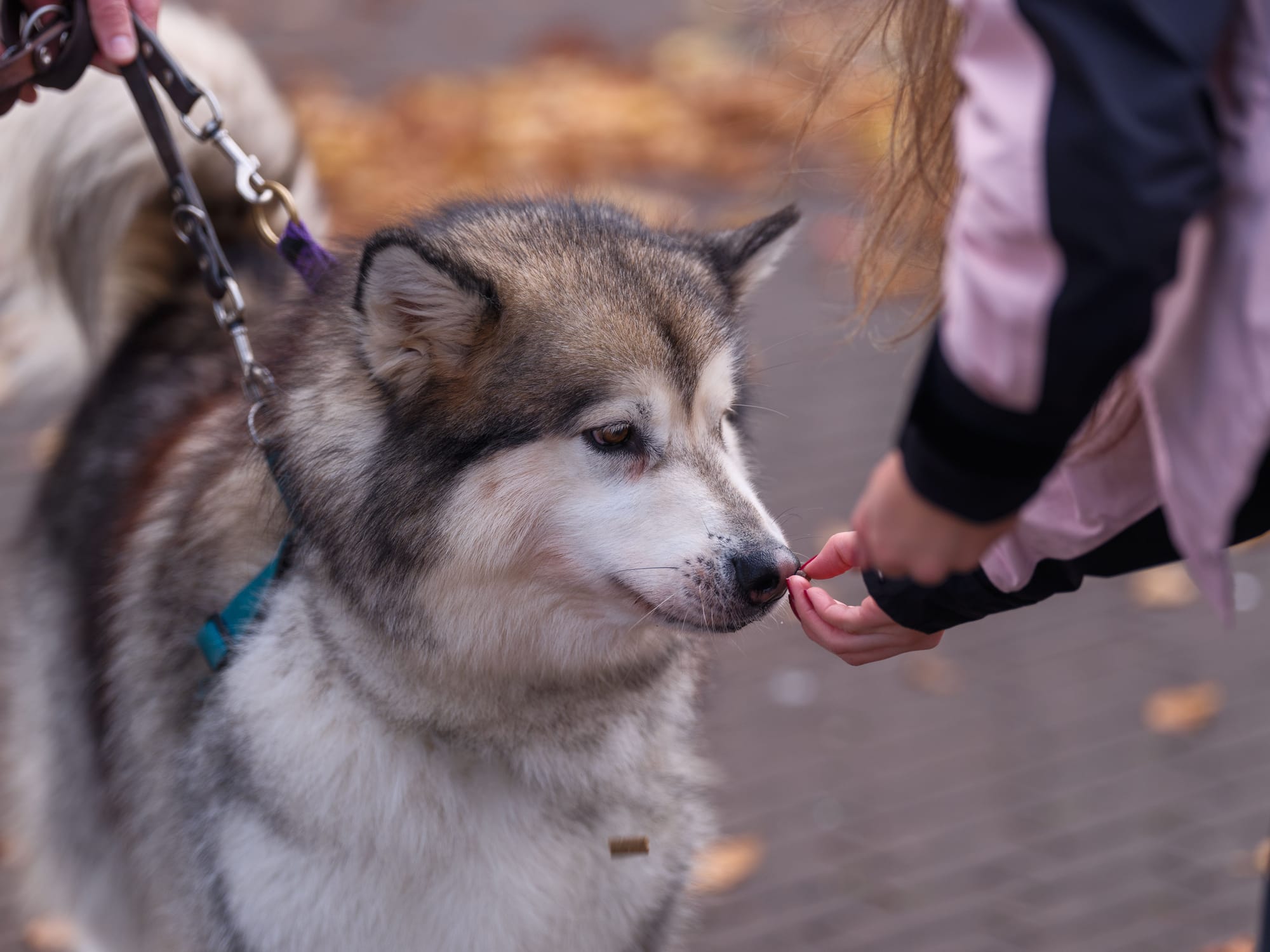
This is the heart of it. Instead of waiting for your dog to stop pulling, reward them whenever the lead goes slack. Treat, praise, carry on. Slack lead means good things happen. Tension means the walk pauses.
You'll feel a bit stop start at first. That's normal. Short sessions in a quiet spot work better than tackling a busy street straight away.
Be Consistent (Even When You're Tired)
The hardest part for me has been consistency. After a long day, it's tempting to just let Rubi tow me home. But every walk is a lesson, for both of us. If pulling sometimes works and sometimes doesn't, your dog will keep trying. Clear, kind rules help them understand what you're asking.
Change Direction
When the lead goes tight, stop or gently turn and walk the other way. It sounds simple, and it is. The walk only continues in the direction your dog wants when the lead is loose. Rubi figured this out faster than I expected, though she still tests it when a squirrel appears.
Keep Your Expectations Real
Some days will be brilliant and others will feel like a step backwards. That's dog training in a nutshell. Rubi has her good walks and her chaotic ones. Progress isn't a straight line.
A Few Things That Helped Us
- Short, regular training walks rather than one long one
- Practising in the garden or a quiet street first
- Rewarding calm behaviour, not just the absence of pulling
- Ending sessions while things are still going well
- Being patient with ourselves as well as our dogs
Walking with a loose lead is one of those skills that quietly makes everyday life nicer. You notice more, your dog relaxes more, and the whole thing feels less like a tug of war.
Rubi still has her moments. There's a particular lamp post she's convinced holds secrets. But we're getting there, one slack lead at a time. If you're working on this too, be kind to yourself and your dog. You'll get there together.