Why Is My Dog Trembling? Stress or Something More?
Trembling in dogs can mean many things, and most of the time it's nothing serious. But it helps to know what you're looking at ...
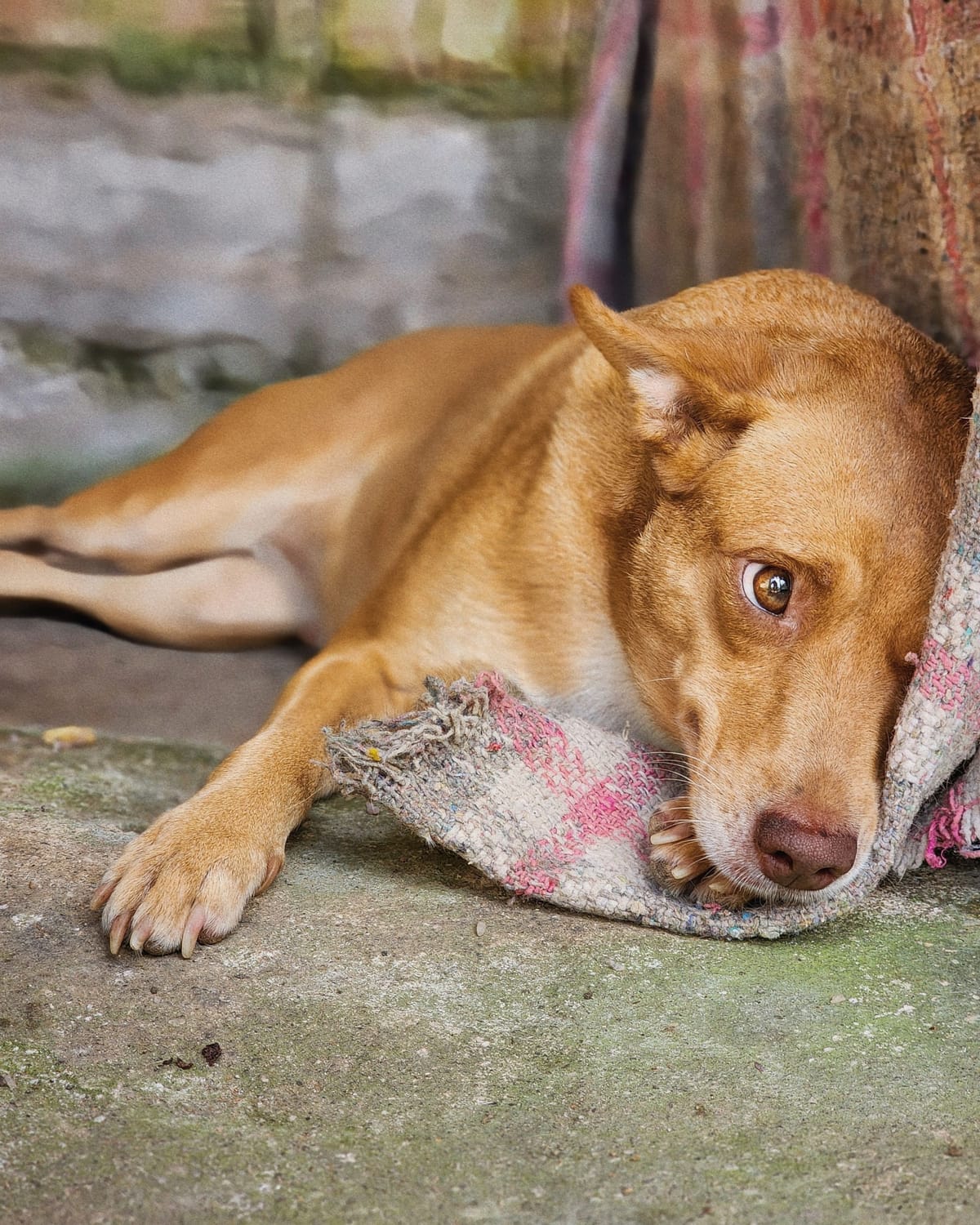
There's nothing quite like the feeling of seeing your dog shake and not knowing why. I remember the first time Rubi started trembling for what seemed like no reason at all. My heart sank. Was she cold? Scared? Unwell? I spent the next hour watching her like a hawk, probably making us both more anxious in the process.
If you've found yourself in a similar spot, you're in the right place. Trembling in dogs can mean many things, and most of the time it's nothing serious. But it helps to know what you're looking at.
The Everyday Reasons Behind the Shakes
Sometimes the answer is refreshingly simple. Small dogs like Rubi lose body heat faster than larger breeds, so a chilly evening can set off a shiver. You might notice it more when they're wet after a walk or sitting near a draughty door.
Excitement is another big one. Does your dog tremble when you pick up the lead or when a favourite person walks through the door? That's pure joy bubbling over. Rubi does a full body quiver when I reach for her harness, and it's honestly one of my favourite things about her.
Then there's the nervous kind. Thunder, fireworks, a new visitor, a trip to the vet. All of these can set off a tremble that usually settles once the scary thing passes.
When Stress Is the Culprit
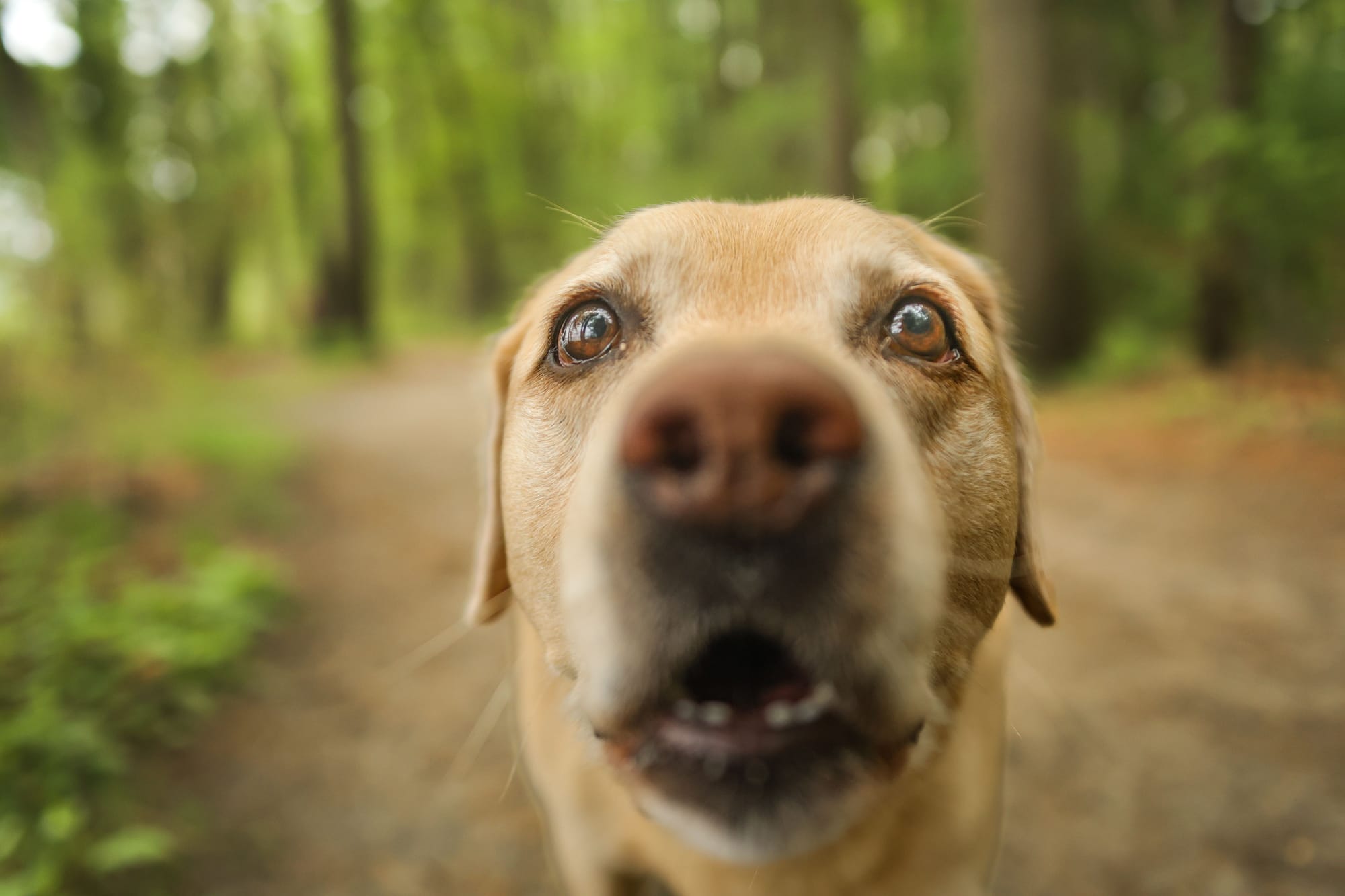
Stress in dogs often shows up in the body before we notice anything else. Trembling paired with yawning, lip licking, tucked tail or pacing usually points to anxiety rather than cold.
Think about what changed recently. A move, a new baby, a different routine, even a rearranged living room can unsettle a sensitive dog. I once moved Rubi's bed two feet to the left and you'd have thought I'd rearranged the entire house. She paced for an hour.
If you can spot the trigger, you can often ease the stress. A quiet space, a familiar blanket, and a bit of gentle reassurance go a long way. Try not to fuss too much though. Dogs pick up on our worry, and over-comforting can sometimes reinforce the fear.
Could It Be Something Medical?
This is where I always suggest a chat with your vet, especially if the trembling is new, frequent, or comes with other symptoms. A few things worth checking:
- Pain. Dogs hide discomfort well. Trembling can be the only sign of a sore joint, a tummy ache, or dental pain.
- Low blood sugar. More common in very small or young dogs, and can cause weakness and shaking.
- Illness or infection. A fever or general unwellness can bring on the shakes.
- Age-related issues. Older dogs sometimes tremble due to arthritis or cognitive changes.
- Toxins. Chocolate, certain plants, and household products can cause tremors. If you suspect poisoning, call your vet straight away.
You know your dog better than anyone. If something feels off, trust that instinct and get professional advice.
Small Things That Help
Keep a simple diary for a week. Note when the trembling happens, how long it lasts, and what was going on around your dog. Patterns often appear that you hadn't noticed before.
Make sure your dog has a warm, draft-free spot to rest. A cosy blanket or a raised bed can make a real difference for smaller breeds.
And try to stay calm yourself. Our dogs read us constantly. If we're relaxed, they're more likely to settle too.
A Final Thought
Trembling is one of those things that can look alarming but often turns out to be perfectly manageable. Watch, listen, and don't be afraid to ask for help when you need it. You're doing better than you think, and your dog is lucky to have someone paying such close attention.