Why Play is a Secret Ingredient to a Strong Bond With Your Dog
We all know that satisfying feeling after a good play session, when your dog flops down beside you with a contented sigh. That's not just physical tiredness ...
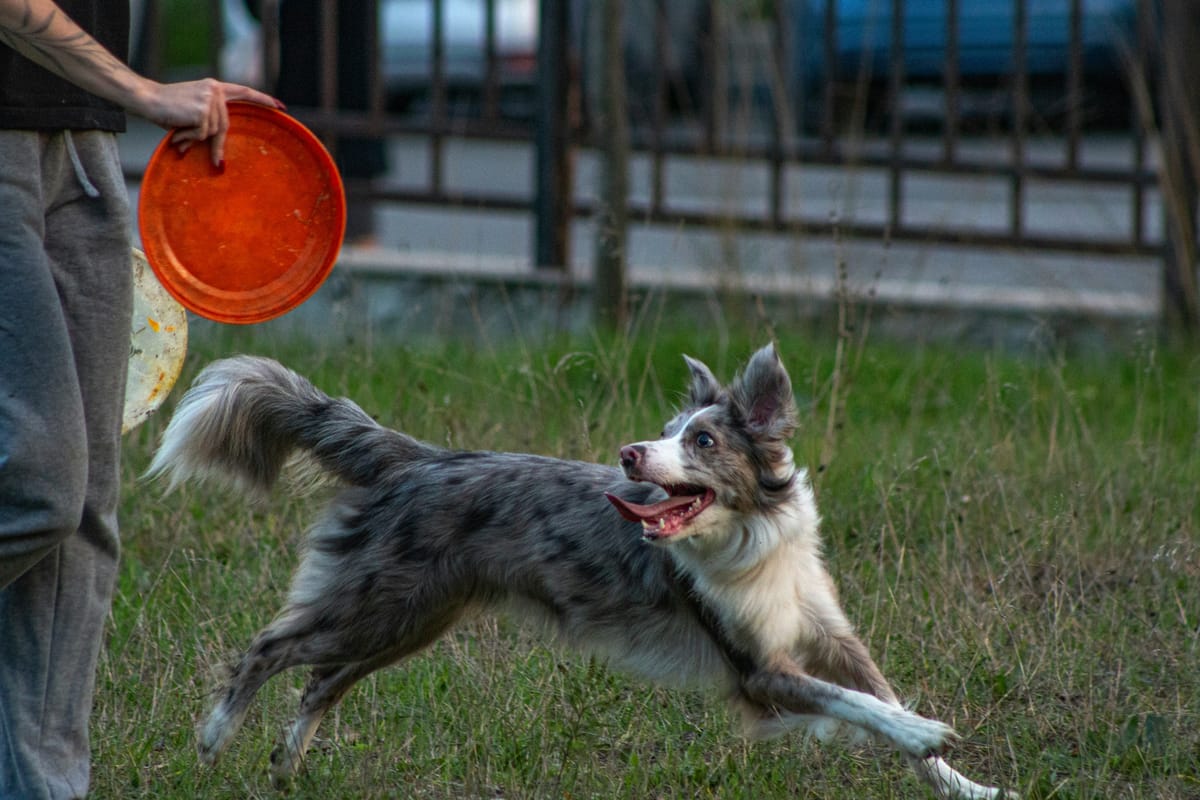
Anyone who shares their home with a dog knows they have a way of making ordinary days better. From the excited greeting at the door to the quiet moments curled up on the sofa, dogs become part of the rhythm of our lives. But if there's one thing I've learned from living with Rubi, my bouncy Cockapoo, it's that play is about so much more than just burning off energy. It's how we truly connect with them.
We all know that satisfying feeling after a good play session, when your dog flops down beside you with a contented sigh. That's not just physical tiredness; it's a bond being reinforced.
Play is a Language All of Its Own
When our dogs engage in a game with us, they are using a language that is instinctive to them but requires a bit of translation on our part. Studies have shown that dog play, especially with humans, is quite different from how dogs play with each other. With us, they tend to be less competitive and more cooperative, often presenting toys to us and allowing us to win .
Think about Rubi when we play fetch. She'll bound over, drop the ball at my feet, and then dance back with her bottom in the air. That play-bow is a universal signal that says, "Everything I do next is just for fun" . It's an invitation to join their world.
More Than Just Fun and Games
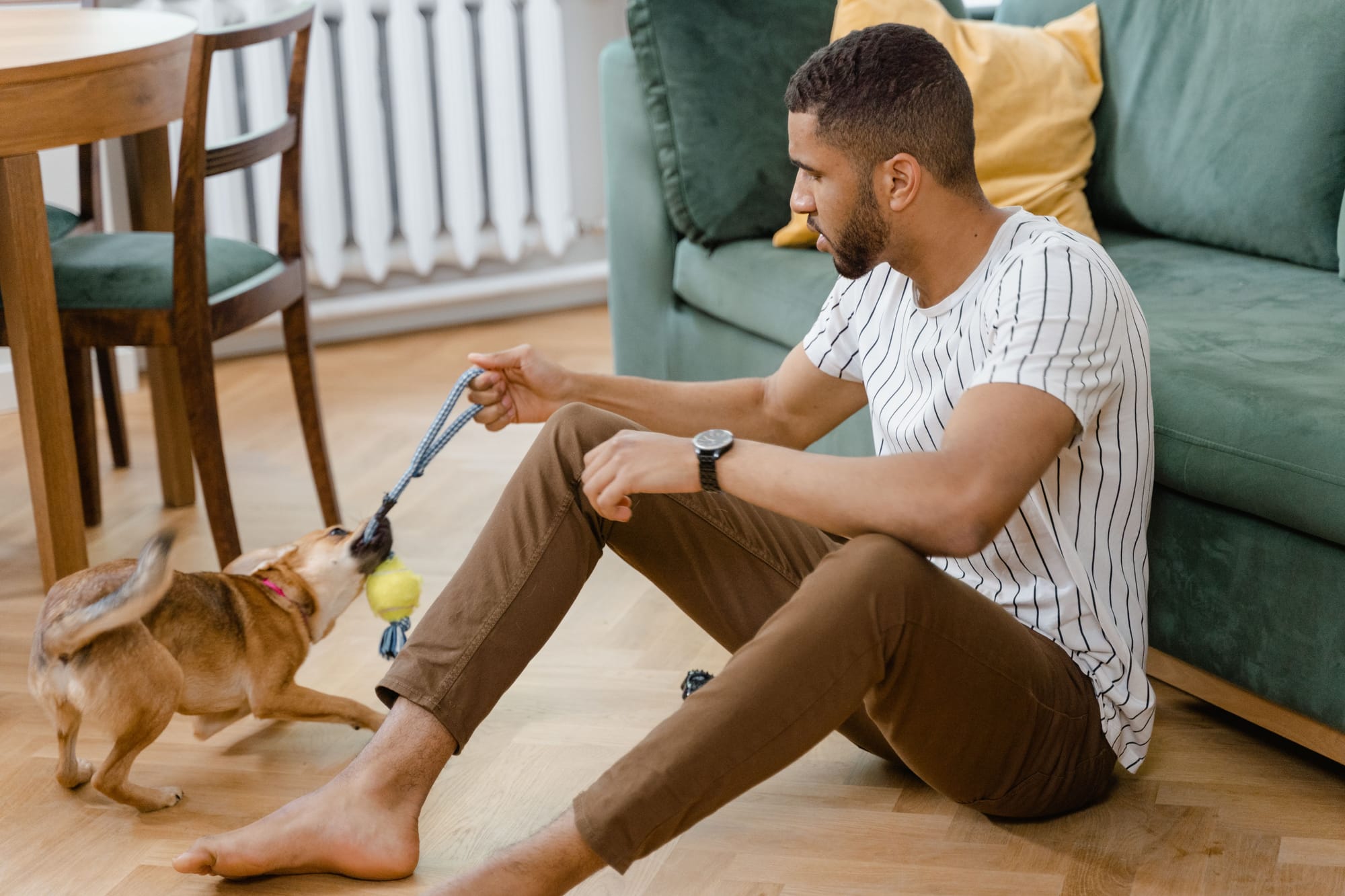
While it's a joyful experience, play is deeply functional. It is believed to be a crucial tool for developing social cohesion and motor skills . When we play tug-of-war or hide-and-seek with our dogs, we aren't just entertaining them. We are actively helping them build confidence and practice problem-solving .
It's also a powerful way for them to learn about us. Research suggests that dogs use play to establish and maintain emotionally based bonds with their owners. This playful extension into adulthood is thought to be an adaptive trait that has been subtly encouraged through domestication .
The Bonding Mechanics of a Good Game
We don't need a science degree to see the connection happening. But understanding a few simple guidelines from the experts can make our play sessions even more rewarding.
First, let them win sometimes. It sounds simple, but letting your dog "beat" you at tug-of-war isn't losing for us. It builds their confidence and makes the game more fun for them, encouraging them to come back for more .
Second, mix it up. The Dogs Trust suggests rotating your dog's toys weekly to keep them interesting . Rubi loves it when I bring out a toy she hasn't seen for a few days. It’s like she has a brand new best friend.
Tips for Meaningful Play
- Follow their lead: If your dog brings a toy to you, they are choosing to interact. Honour that.
- Keep it short and sweet: A 10-minute session of genuine, engaged play is worth more than an hour of half-hearted tossing.
- Use play as a reward: I've found that a quick game of tug can be a more powerful reward for a good recall than a treat .
At the end of the day, the ball, the rope, or the squeaky toy aren't the point. The connection is. Play is a shared experience that builds trust and creates a history of positive interactions. It's where we meet our dogs on their terms, and in those moments, the bond between human and dog really does become one .
So next time your dog drops a well-chewed toy in your lap, try to see it as more than a request for a game. They are inviting you to strengthen your friendship.