Your Dog Doesn't See You as a Human (And Why That's Actually Lovely)
Dogs don't categorise the world the way we do. They don't look at us and think "human." They look at us and think "family." More specifically, many animal behaviour experts believe ...

I was curled up on the sofa the other night with Rubi snoozing on my lap, and I found myself wondering what she actually thinks I am. Her mum? Her best friend? The person who controls the treat tin? Then I read something that made me smile. Research suggests dogs don't see us as humans at all. They see us as something else entirely. And honestly, once you know what that something is, it makes perfect sense.
So What Does Your Dog Think You Are?
Here's the thing. Dogs don't categorise the world the way we do. They don't look at us and think "human." They look at us and think "family." More specifically, many animal behaviour experts believe dogs see their owners as members of their own species, just a slightly odd-looking version.
Think about it from Rubi's point of view. I feed her, I groom her, I take her for walks, I let her sleep on my bed. In her world, that's what a dog does for its pack. So why would she assume I'm anything other than a rather tall, hairless dog who's hopeless at chasing squirrels?
The Pack Instinct Never Really Leaves
Dogs descended from wolves, and while they've come a long way from the wild, the pack structure is still wired into them. Wolves live in family groups where everyone has a role. Dogs do the same with us.
That's why your dog follows you to the loo. That's why they wait by the door when you pop out. That's why Rubi sulks if I go upstairs without her. She's not just being clingy. She's keeping her pack together.
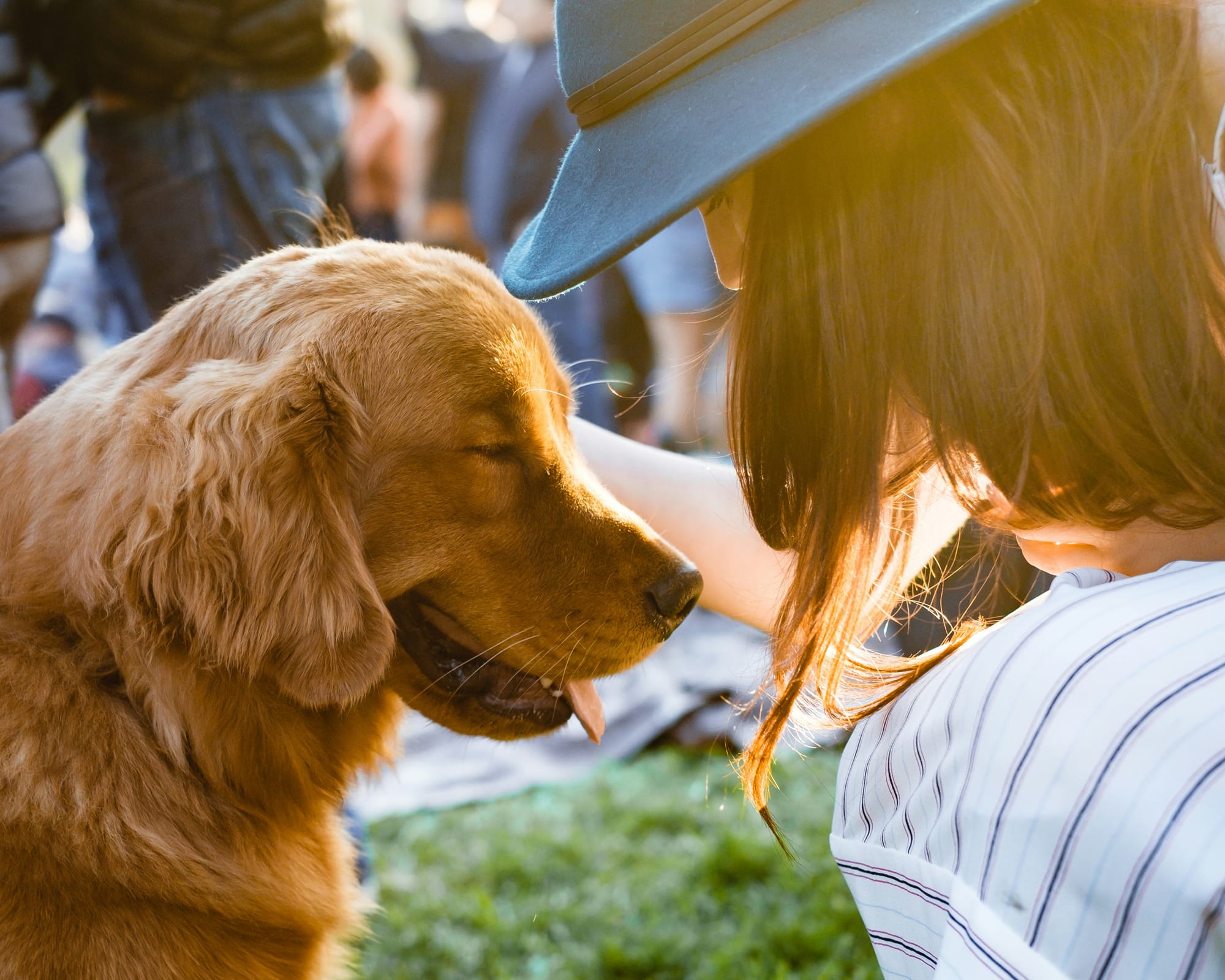
You're the Parent, Not the Alpha
For years, people talked about being the "alpha" to their dog. Thankfully, that idea has largely fallen out of favour. Modern understanding suggests dogs see us more like parents than pack leaders.
Just watch your dog when you come home. That frantic tail wag, the little zoomies, the way they press against your legs. That's not a subordinate greeting a boss. That's a child greeting a parent.
Rubi does this thing where she brings me a toy when I walk through the door. Every single time. It's like she's saying "look what I've got, aren't you proud?" I always make a fuss, because honestly, it melts me.
Why This Matters for Training
Understanding how your dog sees you can change the way you train them. If they view you as a parent or pack member rather than a separate species, they're more likely to respond to warmth and consistency than stern authority.
Dogs want to please their family. They want to be part of what's happening. So when you train with treats, praise, and patience, you're speaking their language. You're not commanding a stranger. You're guiding a family member.
I've found that Rubi learns best when I keep things light and cheerful. If I get frustrated, she shuts down. If I'm relaxed, she's relaxed. They really do pick up on our energy.
The Bottom Line
Your dog doesn't see you as human. They see you as one of their own, just a bit different. You're their family, their comfort, their favourite person. And really, isn't that better?
Next time your dog stares at you with that head tilt, remember they're not confused about what you are. They know exactly who you are. You're theirs.